Tokyo
Tokyo Bangkok
 Seoul
Seoul Singapore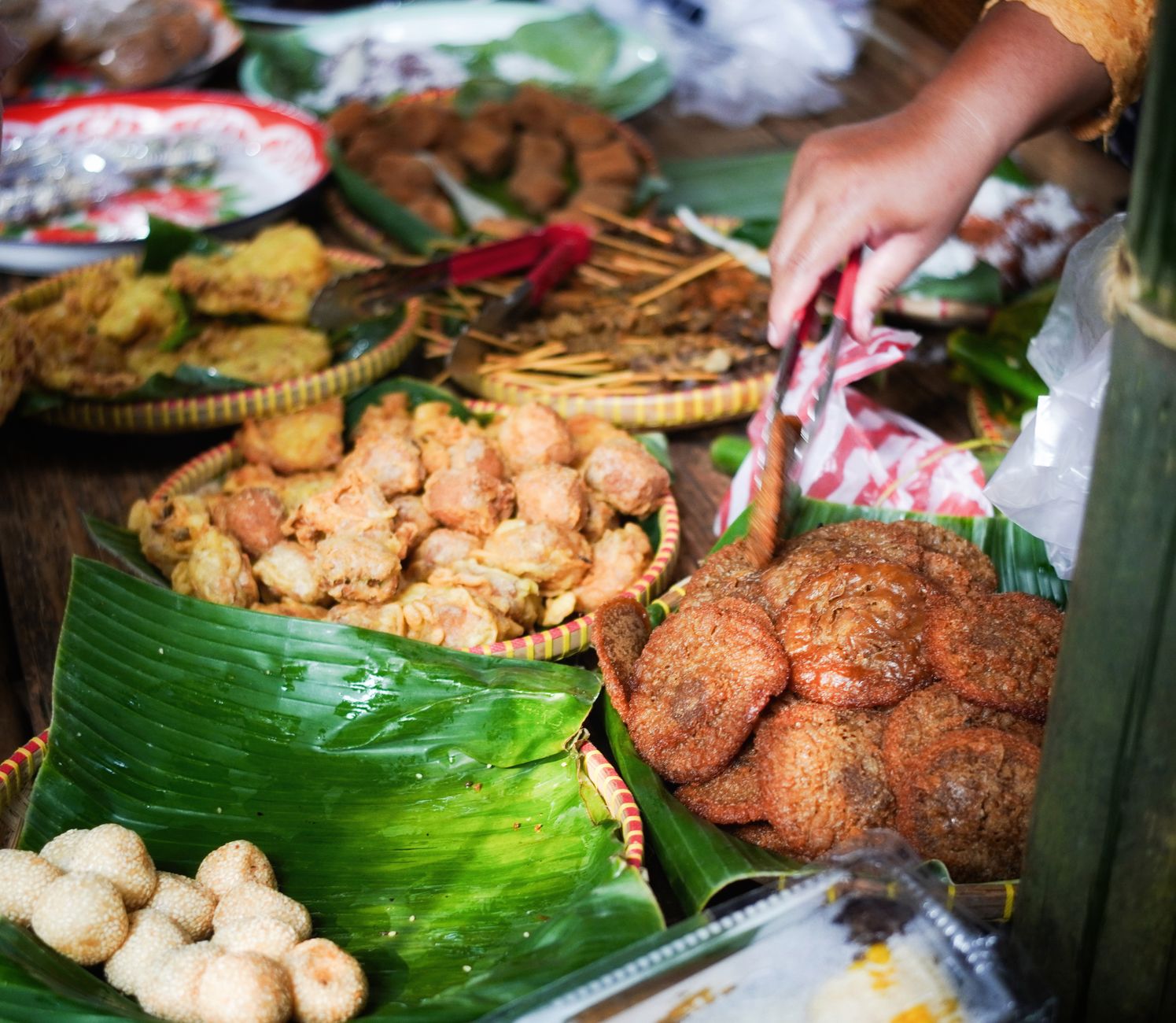
Plant-Based Asian Cooking: Why Tofu Isn’t a Meat Substitute
Western food culture gets plant-based proteins all wrong. We treat them like sad substitutes for meat, when in Asia they’re the stars of the show. Tofu, tempeh, seitan, and lotus root aren’t trying to be something else—they have their own textures, flavors, and cooking methods that stand on their own. That’s why so much Western vegetarian food misses the mark.
Tofu’s Thousand Faces: Beyond the Bland Brick
Western kitchens fail tofu. Not because it’s boring, but because we don’t bother learning its possibilities. In Chengdu, silken tofu floats in fiery Sichuan broth, soaking up peppercorn heat. Kyoto chefs press it into dense blocks for grilling—crisp outside, creamy within. Vietnamese bánh mì shops slice it thin, fry it crisp, and pile it high with pickles.
Different dishes need different tofus: silken for mapo, firm for stir-fries, extra-firm for frying. Buying one type and expecting it to work everywhere is like using flour for every baked good. Tofu doesn’t imitate. It transforms. In proper mapo tofu, it doesn’t taste like meat—it tastes like itself, electrified by chili and numbing spice.
Tempeh and Seitan: The Proteins with Personality
Tempeh is nothing like tofu. Fermented soybeans give it a nutty, earthy depth. In Indonesia, tempeh goreng—golden fried slices—shows up at every meal as protein, not compromise. It crisps beautifully. The fermentation makes it gut-friendly too, something most fake meats ignore.
Seitan is wheat gluten with serious chew. Taiwan’s vegetarian dim sum spots shape it into noodles, braise it in soy sauce, wrap it in leaves. The texture is meaty because that’s how seitan is, not because it’s pretending. Buddhist chefs spent centuries perfecting seitan techniques because it deserved the effort.
Lotus Root: The Vegetable That Demands Respect
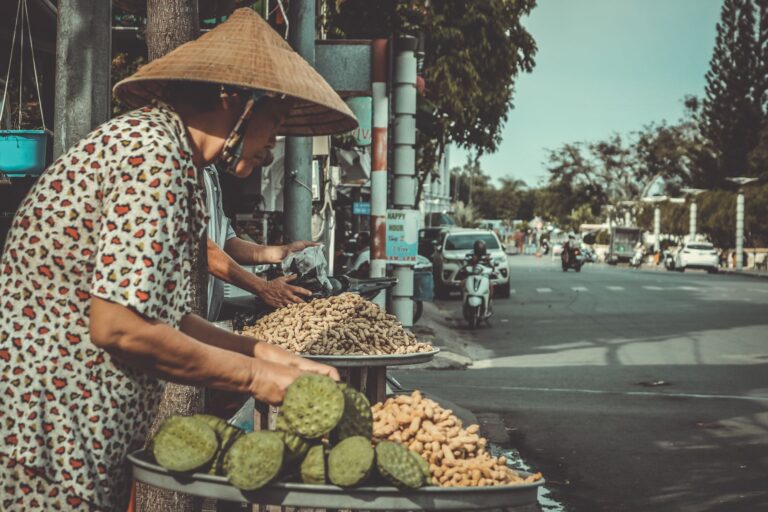
Lotus root plays in its own league. Those lacy slices add crunch to Vietnamese soups, soak up Sichuan spices, turn tangy when pickled. It’s starchy but crisp—better than potatoes or water chestnuts.
Thai cooks stir-fry it with garlic and chilies. Japanese chefs simmer it in dashi. The trick? Don’t overcook it. Mushy lotus root is a crime. Done right, it’s not replacing anything—it’s just great.
Stop seeing these ingredients as consolation prizes. Order mapo tofu because it’s incredible, not because you’re avoiding meat. Try tempeh goreng where it’s meant to be eaten. Hit up a Buddhist vegetarian spot in Taiwan. The tradition is there. We just need to meet it on its own terms.