Kuala Lumpur Street Food by Neighborhood: Where to Eat

I watched a hawker in Petaling Jaya flip roti canai dough so thin I could see through it, then catch it mid-air and slap it back onto the griddle in one fluid motion. That’s when I realized: street food in Kuala Lumpur isn’t about complexityโ€”it’s about technique refined through repetition. Every neighborhood has its specialists, and knowing where to find them changes everything about how you eat here.

Petaling Jaya: Where Breakfast Happens Before 9 AM

Petaling Jaya’s Old Town food court (locals call it Jalan Gasing) is where you go when you want to eat like a regular, not a tourist. The roti canai stalls here open around 6:30 AM, and by 8 AM they’re already running low. Order the plain version with dhal curryโ€”watch how they stretch the dough, and you’ll understand why the texture matters. The same hawkers make tosai (Indian crepes made from fermented rice and lentil batter) that are impossibly crispy outside and tender inside. There’s also a nasi lemak stall run by a woman named Auntie Siti who cooks her sambal fresh each morning with dried chilies, shallots, and belacan. The rice is cooked in coconut milk and pandan leaves, making it fragrant without being heavy. Arrive hungry and bring cashโ€”most stalls here don’t take cards.

Bukit Bintang: The Afternoon Shift for Proper Lunch

Once morning hawkers close down, Bukit Bintang’s Jalan Alor wakes up around 11 AM. This is where you eat char kway teowโ€”stir-fried flat rice noodles that should have a slight char on them, cooked with soy sauce, shrimp, cockles, and Chinese chives. The best stall here has been run by the same family for thirty years. They use lard for cooking (ask for it without if you prefer), and the wok heat is so intense the flames leap up. Order the version with extra cocklesโ€”they add brininess that cuts through the richness. Nearby, there’s a claypot chicken rice spot where they serve rice cooked in individual clay vessels with chicken, Chinese sausage, and mushrooms. The bottom layer gets slightly crispy and smoky. It’s simple food that tastes like someone actually cared about each component.

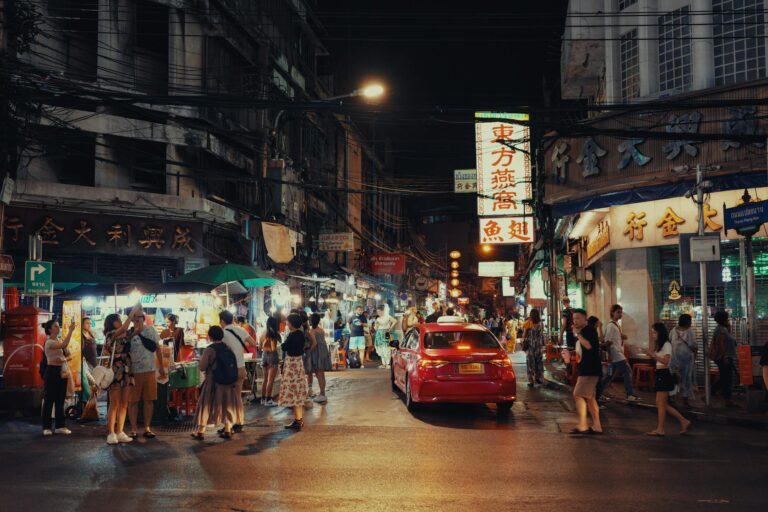
Chinatown (Petaling Street): Evening Eating and Desserts

Chinatown comes alive after 5 PM when the street market sets up. This is where you find cendolโ€”a dessert of green rice flour jelly, coconut milk, and palm sugar syrup served over shaved ice. It’s cooling and sweet without being cloying. There’s also a stall selling apam balik (stuffed pancakes) filled with peanuts and corn, cooked in a special mold so they’re thick and pillowy. For dinner, the satay vendors grill skewers of marinated meat over charcoal, serving them with peanut sauce and compressed rice cakes. The satay here is about balanceโ€”the meat should be tender, the sauce nutty but not heavy. Walk down the side streets and you’ll find smaller stalls with laksa (coconut curry noodle soup), each vendor’s recipe slightly different depending on whether they’re Peranakan, Malay, or Hokkien.

The real skill in eating well in Kuala Lumpur is timing and repetition. Pick a neighborhood, go early or late depending on what you want, and order the same thing from the same stall twice. You’ll notice details the second timeโ€”how the cook adjusts the heat, why one version tastes better than another. That’s when street food stops being about novelty and becomes about understanding.

Priya Nair
About the Author
Priya Nair

Priya Nair is WokFeed's South and Southeast Asian food specialist. Born in Mumbai and now based in London, she writes about Indian street food, Thai cuisine, and Vietnamese cooking. Priya believes the best food stories are found on plastic stools, not in Michelin-starred restaurants.

๐Ÿ“Š Data Sources & Editorial Standards
๐Ÿ“ Google Mapsโœ๏ธ Editorial Research

WokFeed's restaurant guides are compiled from real traveler data, on-the-ground research, and cross-verified across multiple platforms. Our editorial team fact-checks all recommendations before publication.

Similar Posts