Tokyo
Tokyo Bangkok
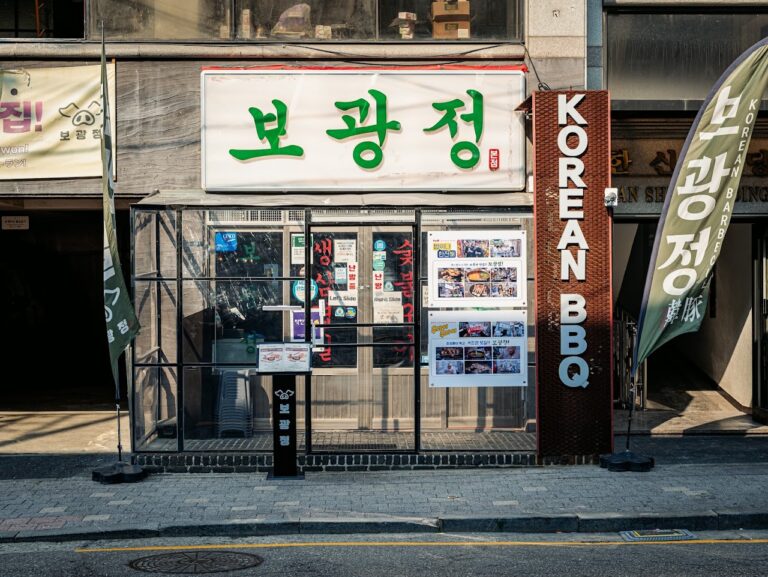
 Seoul
Seoul Singapore
How Bali’s Hindu Rituals Shape Every Meal
The first thing you notice at Ubud Market at dawn isn’t tropical fruit—it’s the sharp mix of incense, raw turmeric, and the iron scent of blood from butcher stalls. Watch the woman folding banana leaves around sticky rice pyramids. Her hands move with the ease of decades. This isn’t just breakfast prep. These are offerings for the gods, and in Bali, that changes how every kitchen operates.
The Daily Offering That Shapes the Kitchen
Before sunrise, palm-leaf baskets called canang sari appear outside homes and shops. They hold rice, flowers, incense, and a bit of that day’s meal. Not decor. Not optional. This daily ritual shapes what families eat and how they cook.
Offerings demand perfect ingredients. Rice must be flawless. Turmeric gets ground fresh—no shortcuts. A Seminyak cook once tossed out whole sambal batch over one bruised chili. “Can’t use it,” she shrugged. That standard means Balinese cooks source carefully, grind spices daily, and treat cooking as sacred time. What you eat at a warung has already met divine approval.
Ceremony Menus: When Holidays Dictate the Stall
Come Galungan and Kuningan—Bali’s major Hindu festivals—and menus shift overnight. Lawar (that coconut-meat salad) appears everywhere. Not for tourists. It’s required for temple offerings. Same goes for babi guling roast pig. Restaurants serve it because families must prepare it for their shrines.
During Galungan in Sanur, lawar showed up at every meal—from temples, markets, homes. Each version differed slightly. More shrimp paste here. Extra egg yolk there. Not chef creativity. Just families interpreting tradition their way. For two weeks, the whole island eats by ceremony rules, not customer preference.
Ingredient Restrictions Born From Religious Law
Notice how some Balinese spots skip pork? That’s out of respect for Muslim neighbors. But Hindu practices add their own limits. Some cooks avoid garlic and onions before temple days—too “hot” spiritually. Others go meat-free during purification periods.
Balinese cooks master substitution. They’ll tweak satay recipes based on what’s allowed that day. Flavors adapt without losing depth. Visit a warung on regular day versus ceremony day—it’s like two different kitchens. This flexibility isn’t trendy. It’s necessity when spiritual rules guide your cooking.
Pro tip: Time your Bali visit with a major ceremony. Skip tourist restaurants—eat at family warungs instead. You’ll taste food made with purpose beyond profit. Ask locals when the next big festival hits. Then eat where Balinese families do. You’ll understand the food better when you see it as part of something bigger.