Tokyo
Tokyo Bangkok
 Seoul
Seoul Singapore
Hong Kong Street Food by Neighborhood: Where to Eat
Hong Kong’s street food economy runs on efficiency, not romance
Forget Instagrammable moments. The real Hong Kong eats in alleyways where vendors haven’t moved in 30 years, where menus are nonexistent, and where you’d better know Cantonese or be ready to point. Neighborhood dictates options, and that perfect bowl of wonton noodles? It’s all about location and timing.
Mong Kok: Where dai pai dong still dominates the breakfast hour
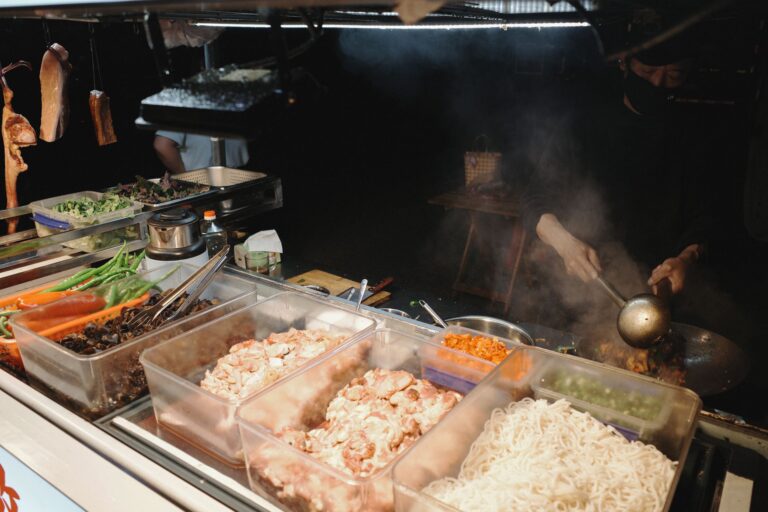
Mong Kok’s dai pai dong are Hong Kong’s last great cluster of open-air food stalls. Before 10 a.m., it’s all construction workers and office staff shouting orders over shared tables. The must-try is cheung fun—those silky rice noodle rolls—but only if they’re steamed right. Stall 47 on Argyle Street near Nelson Street nails it every time: noodles tender but never mushy, sauce warmed just enough. Show up after 8:30 a.m. and you’ll wait. By 11? Closed. No exceptions.
Central: Dessert stalls and egg tarts reveal a different Hong Kong eating pattern
Central operates on its own street food rhythm. Here it’s all about quick bites between meetings—egg tarts from Tai Cheong Bakery on Gage Street being the prime example. Same recipe since 1954: buttery crust with custard that’s set but still jiggles. Most places overcook them into rubber. These? Perfect for exactly 15 minutes after coming out of the oven. Cash only, 7 a.m. to 7 p.m.
Sham Shui Po: The neighborhood where street food still functions as survival food
Sham Shui Po doesn’t do cute. This is where locals eat cheap (35 HKD gets you fed) and vendors don’t dumb down flavors. Think stir-fried intestines with perfect chew, fish ball noodle soups, pork offal in clay pots. Mrs. Wong’s stall on Fei Fei Street—look for the red umbrellas—sets the standard. Bonus: being near the dim sum ingredient market means better raw materials than tourist zones.
What guidebooks won’t tell you: Street food in Hong Kong is disappearing by design
Hong Kong’s street food scene is being erased. From 35,000 licensed hawkers in the 1980s to under 6,000 today. Mong Kok and Sham Shui Po hang on because locals still need affordable eats. Central’s version survives by going semi-legit. What you’re tasting in 2024? A dying tradition. Start in Sham Shui Po early Saturday. Order the intestines. This Hong Kong won’t last forever.