Tokyo
Tokyo Bangkok
 Seoul
Seoul Singapore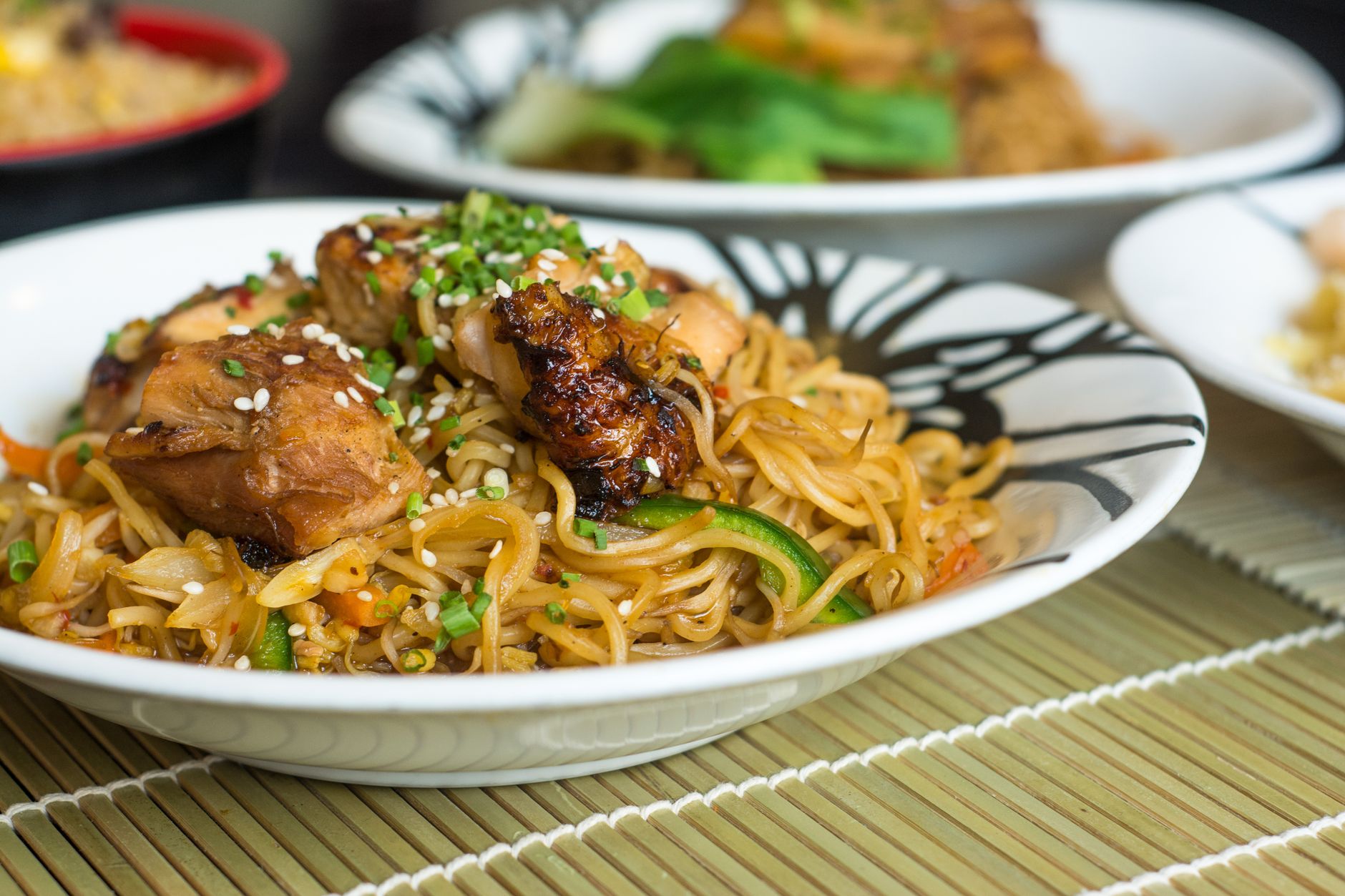
Mazemen: Japan’s Best Noodle Dish Explained
You’ve had ramen in three countries and it’s always the same. Mazemen fixes that—it’s the Japanese noodle dish that actually changes depending on where you eat it. Most travelers walk right past it because there’s no photogenic broth.
Mazemen Is Ramen’s Drier, More Intentional Cousin
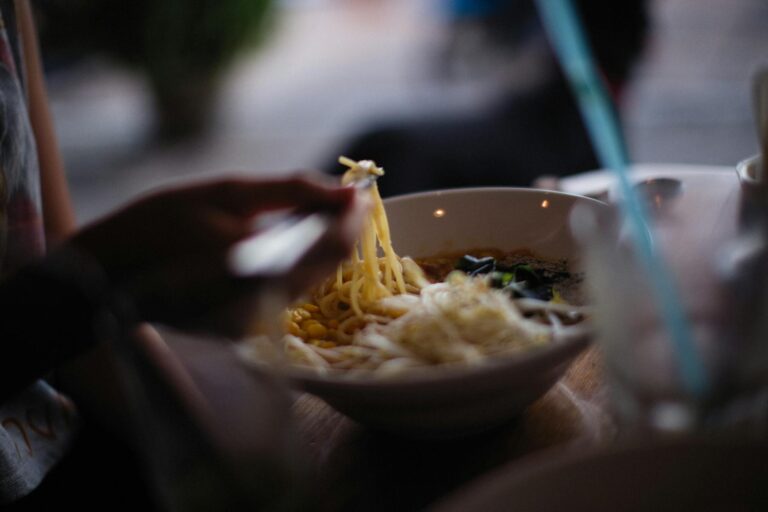
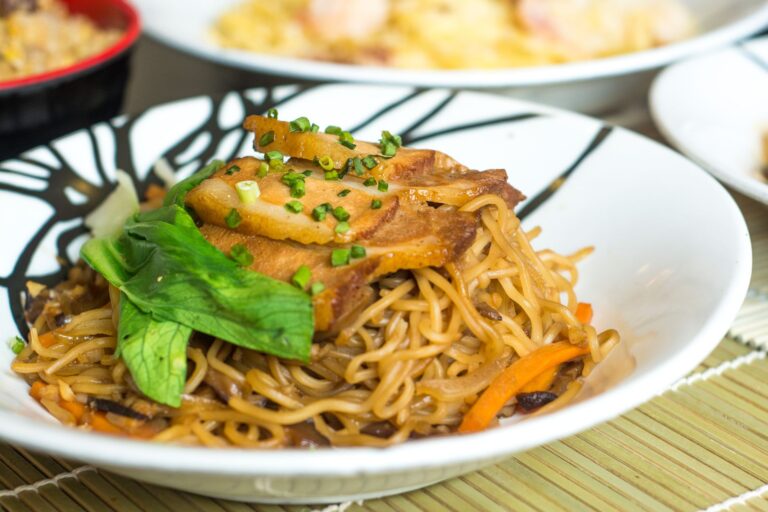
Mazemen means “mixed noodles.” No broth here—just noodles tossed with sauce, protein and toppings. That small difference changes everything. Good mazemen coats each strand perfectly, usually with soy, miso or mirin-based sauce that sticks rather than drips off. The noodles matter more too since there’s no broth to hide behind. Shops often use different wheat blends than regular ramen.
The best versions feel substantial. Sauce should be thick enough to twirl noodles without them falling apart, but not so dry it feels like a mistake. Bad mazemen tastes like someone forgot an ingredient. The good stuff tastes deliberate—like this was always how these noodles were meant to be eaten.
Tokyo’s Mazemen Shops Are Regional Specialists, Not Ramen Chains
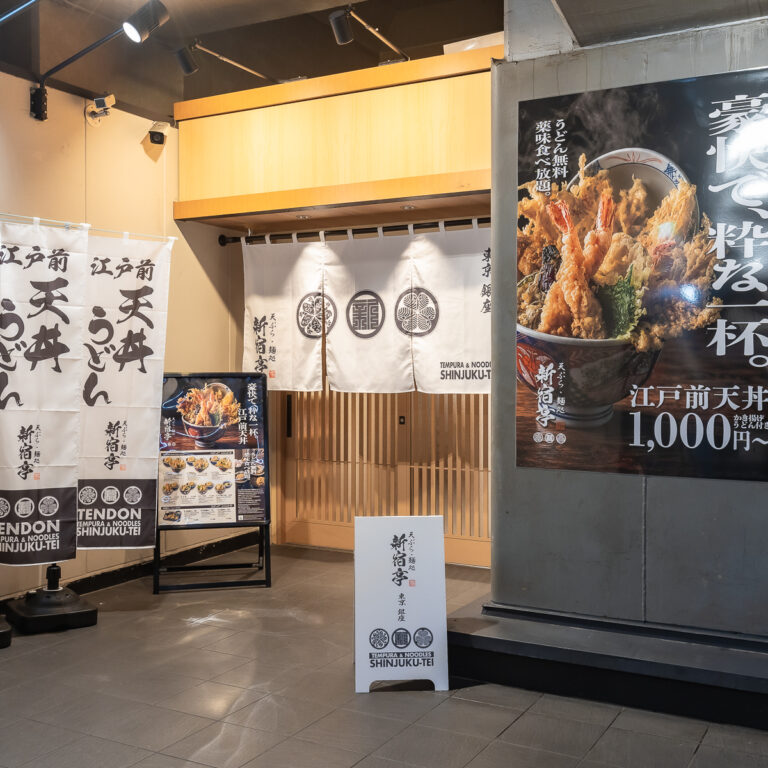
Tetsu in Shinjuku serves mazemen with rich chicken-pork sauce, soft egg and nori. Their noodles are slightly thicker than ramen to hold the sauce better. Stick with the basic order—adding extras is how tourists end up with expensive, mediocre noodles.
Aji no Sanpei in Shibuya does miso mazemen with sesame oil. They’ve been perfecting it since the 1980s. Their small portions are correct—mazemen should pack flavor, not fill you up.
Osaka’s Kiji serves soy-based mazemen with a raw egg yolk you mix in. This version shows why mazemen deserves its own category. The yolk transforms the sauce into something creamier than broth could ever be.
Avoid chains that recently added mazemen to their menu. Look for shops specializing in just one or two noodle styles—that’s where you’ll find the good stuff.
Mazemen Outside Japan Is Usually Disappointing Because Cooks Don’t Understand the Sauce
In London, New York and Sydney, maybe 15% of Japanese noodle shops serve mazemen. Most get it wrong—sauce either pools at the bottom or tastes like straight soy sauce. The problem? Western cooks often use too much liquid or don’t thicken it properly.
London’s Ichiran does an okay version using imported sauce concentrate. Bone Daddies makes a better attempt with reduced pork bone sauce that actually clings to noodles.
Here’s the thing: mazemen travels poorly compared to ramen. Broth covers imperfections; mazemen exposes them. If you want the real deal, eat it in Japan. Elsewhere, treat it as a learning experience rather than expecting greatness.
Closing
Next Tokyo trip, swap one ramen meal for mazemen at an established shop. You’ll instantly get why it’s considered its own art form. Watch how the sauce moves with the noodles—that’s where the magic happens.