Tokyo
Tokyo Bangkok
 Seoul
Seoul Singapore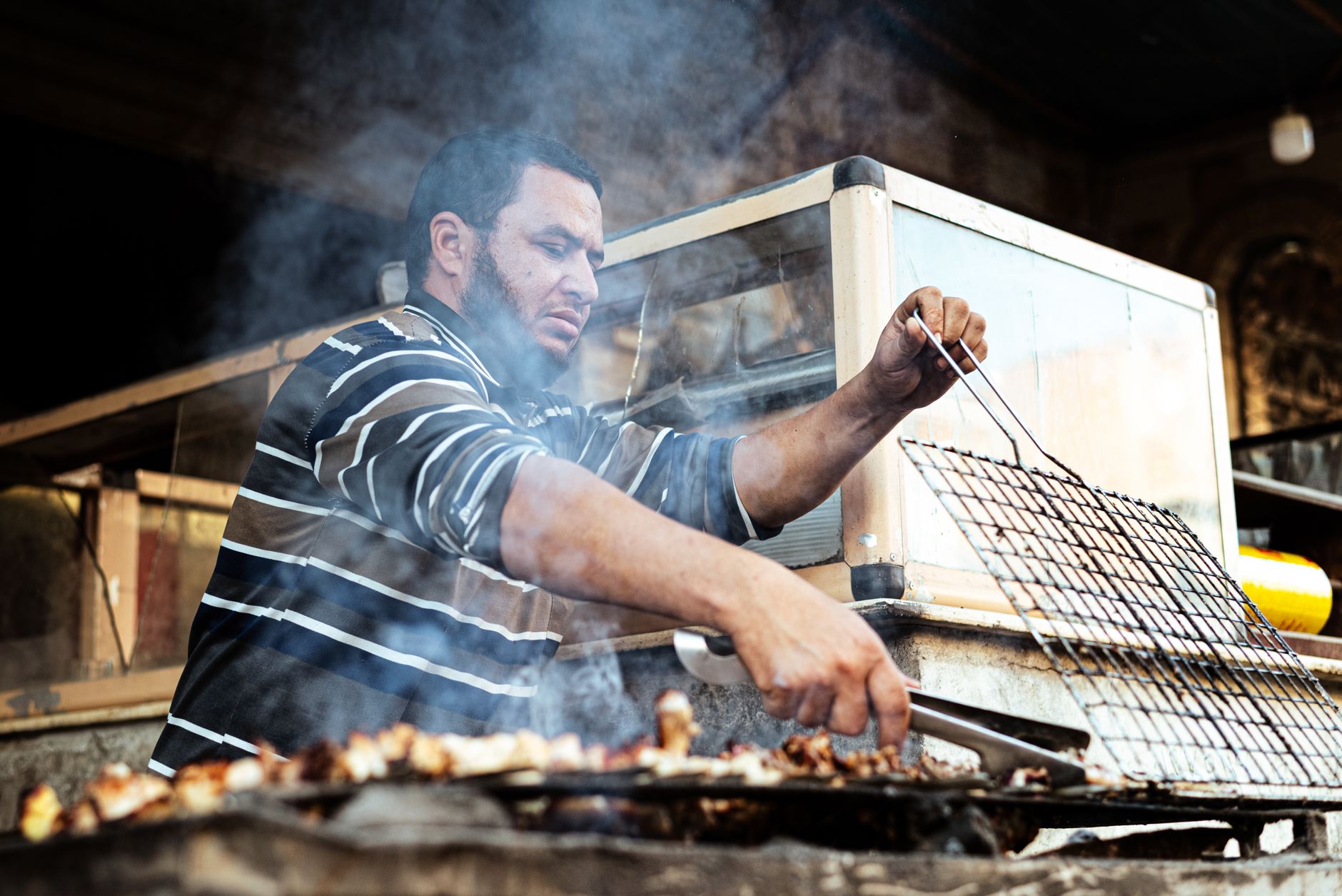
How to Eat Street Food in Asia Without Getting Sick
It’s 6 a.m. in Bangkok, and a vendor arranges wooden sticks beside her cart. She’ll sell 200 satay skewers before noon. Her hands move fast—rinsing, seasoning, grilling. You’re watching. You’re hungry. Should you eat here?
Street food across Asia feeds millions daily. Not some tourist attraction. Just lunch. But travelers worry: is it safe? Yes—if you know what to watch for.
The difference between safe and risky comes down to what you see
Food poisoning happens, but not randomly. Vendors who stay in business know how to keep customers coming back. Watch before ordering. Good stalls have running water—a tank or mains connection. Vendors wash hands. Cooked food stays covered, not sitting out. Raw and cooked ingredients stay separate. Utensils get washed in clean water, ideally between uses.
The risky ones? No water source. No handwashing. Raw meat dripping onto cooked food. Not judging—just facts. Bacteria love those conditions. Noticing this isn’t paranoid. It’s smart.
Busy stalls mean safer food
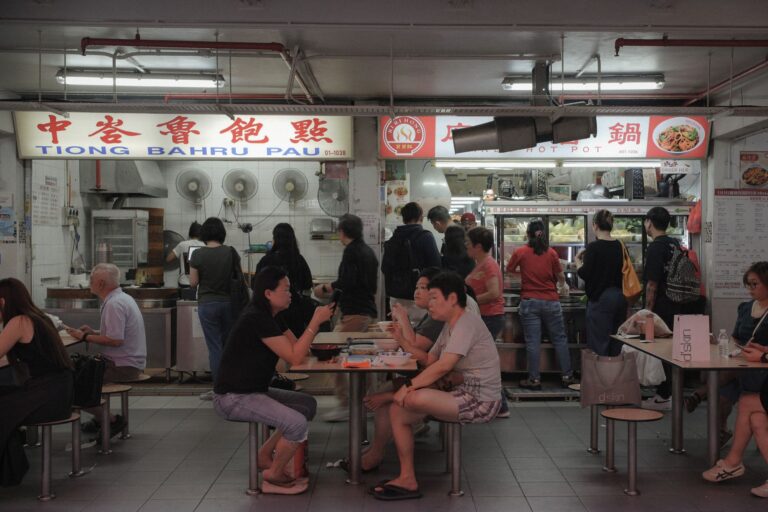
Markets get crowded for a reason. At Penang’s Georgetown Jalan Macalister market by 11 a.m., it’s chaos—dozens of stalls, hundreds of customers. That speed matters. Food doesn’t sit around. A stall selling 50 bowls of laksa daily means fresh broth. Five bowls? Riskier.
Eat food cooked right in front of you. Satay on the grill. Noodles boiled fresh. Steamed dumplings. Avoid room-temperature dishes unless you see them being refreshed. In Vietnam, a bánh mì made to order beats one wrapped hours ago. In India, a dosa straight off the griddle trumps foil-wrapped leftovers.
Fruits and veggies are safer than you’d think—if peeled fresh. A vendor cutting papaya with a clean knife? Fine. Pre-cut fruit sitting in juice? Skip it.
Locals follow one rule guidebooks ignore
Here’s the truth: locals pick stalls based on who their family knows, who’s been around forever, where their coworkers eat daily. You don’t have that intel. So you need different tricks.
Ask hotel staff where they eat. Better yet, watch. Eat where locals and travelers both line up. Eat where the vendor looks exhausted from crowds, not bored from emptiness. Your eyes beat any review.
Remember: your stomach isn’t local yet. Fewer antibodies. Doesn’t mean avoid street food—just ease into it. Try one meal day one, see how you feel. Pack rehydration salts and stomach meds just in case. Most issues pass quickly.
Start with a busy stall in a central market. Watch the vendor’s hands, their water, their prep area. If it looks clean and there’s a crowd? Order. That’s your best move.