Tokyo
Tokyo Bangkok
 Seoul
Seoul Singapore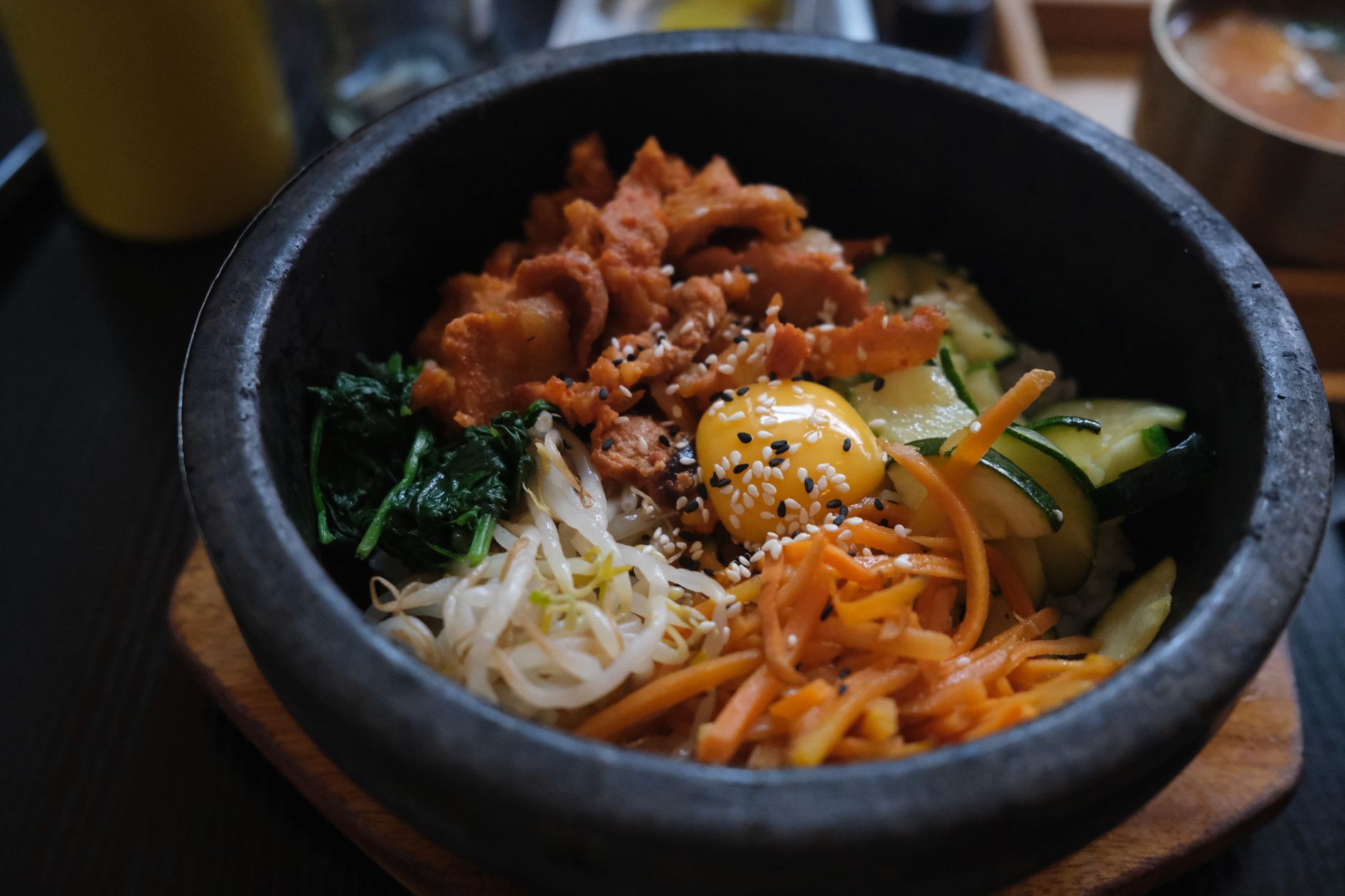
Bibimbap: Korean Food Guide to History & Regional Styles
Bibimbap is Korean cuisine’s ultimate crowd-pleaser—it begs for involvement, thrives on creativity, and rewards rule-breakers. This isn’t a sit-back-and-eat meal. You’ll need your hands, your instincts, and a willingness to turn the bowl into glorious chaos that somehow makes perfect sense.
“Mixed rice” barely scratches the surface. Bibimbap is a balancing act: raw meets cooked, hot meets cold, vegetables meet protein, tradition meets whatever’s lurking in your fridge. It started as Korea’s genius solution for leftovers, then evolved into something far bigger—a dish that captures the national spirit.
Bibimbap’s Real Purpose: Not a Side Dish, a Statement
Its roots trace back to the Joseon Dynasty, though no one agrees exactly where. Royal kitchens? Buddhist temples? What’s certain is that by the 1900s, bibimbap had become Korea’s go-to meal for feeling resourceful and in charge.
Start with warm rice. Layer on vegetables—spinach, bean sprouts, carrots, zucchini, mushrooms—each seasoned with sesame oil, garlic, and salt. Add an egg, raw or barely cooked. Toss in some beef or tofu if you want. Then comes the star: gochujang. That fiery red paste isn’t just a topping. It’s the soul of the dish.
What separates great bibimbap from mediocre? Three things: killer gochujang, fresh veggies, and every component tasting good solo before you mix. If a restaurant treats it like a leftovers graveyard, walk away.
Regional Variations: Where Geography Changes Everything
Jeonju’s version is the classic—the one with UNESCO recognition and foodie pilgrimages. Beef, meticulously prepped veggies, and a scorching-hot stone bowl (dolsot) that turns the bottom rice into crispy gold. That crust isn’t for show. It’s the best part.
Busan flips the script with raw fish—flounder or squid—making it lighter, brinier. In Seoul, you’ll find kimchi-heavy versions, extra-spicy ones for heat seekers, even rice bran substitutions. Every region swears theirs is the real deal.
Here’s the thing: they’re all right. Bibimbap’s whole point is that your way works—as long as you own it.
How Koreans Actually Eat Bibimbap: The Mixing Ritual Matters
Westerners often treat it like a salad—mix everything at once, then dig in. Koreans take a different approach. Break the egg, let the yolk ooze, then mix only what you’re about to eat. Taste the gochujang first, adjust the heat, then build each bite with shifting ratios of rice, veggies, and paste. It’s a meal of constant tweaks.
Stone bowl bibimbap requires strategy. Start at the edges where the rice is crispiest, work toward the center as it softens. The magic happens in between—half-crunchy, half-tender. Rushing wastes the experience.
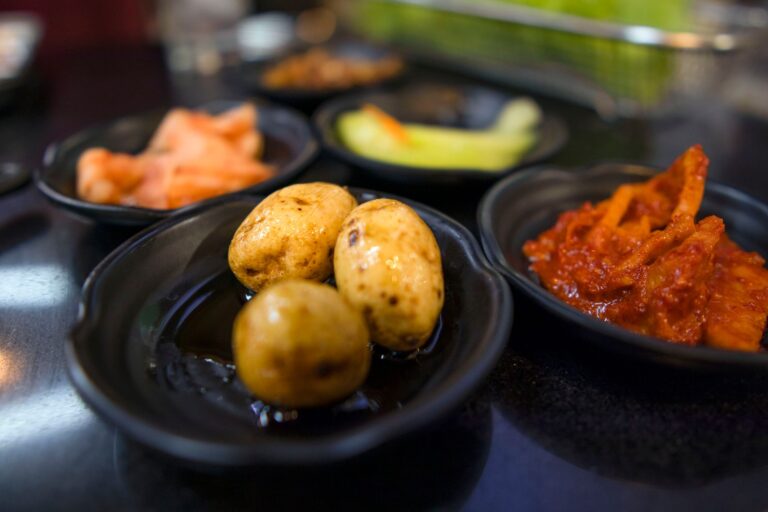
Most Korean spots serve banchan (side dishes) like kimchi or pickled radish alongside. They’re not mix-ins; they’re palate resets between bites. The meal dances between the bowl and these accents.
Order bibimbap in Seoul’s Insadong or Busan’s Nampo-dong, watch how locals eat it, then do your own thing. That’s the beauty of it—freedom in a bowl.