Osaka Street Food Guide: Neighborhood Eating Map
Osaka’s street food economy is not quaint or nostalgic—it is a functioning system of commerce and culture that has survived every economic shift Japan has thrown at it for the past seventy years. The city’s casual eating culture is the reason Tokyo chefs come here to remember why they cook.
Dotonbori: Where Osaka’s Eating Theater Happens
Dotonbori is the neighborhood that defines Osaka street food for outsiders, and this is both accurate and incomplete. Yes, the canal-side strip is crowded, neon-soaked, and designed for performance—giant mechanical crabs hang from storefronts, vendors call out to passing crowds, and the density of takoyaki stalls approaches absurdity. But the crowds exist because the food is legitimately good, not because tourists have been herded there.
The distinction matters. A proper takoyaki ball here—at places like Takoyaki Kiji or Gindaco—has a molten center that hasn’t been sitting under heat lamps. The batter is thin and crisp, not thick and heavy. Okonomiyaki shops like Kiji Dotonbori have been operating since 1945 and still cook each pancake to order on a flat iron, not a griddle. The okonomiyaki should have distinct layers: cabbage that retains some structure, a thin crepe base, and sauce applied with precision, not drowned across the top.
Shinsekai: The Working-Class Original
Shinsekai is what Dotonbori was before it became a tourist destination. Walk through this neighborhood and you’ll see salarymen eating standing up at kushikatsu counters, office workers grabbing takoyaki between meetings, and families sitting in small restaurants that have occupied the same corner for decades. The energy is functional, not staged.
Daruma and Kushikatsu Daruma are the names everyone knows, but the real move is finding a smaller counter—places like Kushikatsu Tanaka or any of the unmarked spots in the side alleys—where the chef knows regular customers by sight. Kushikatsu (deep-fried skewered meat and vegetables) is Shinsekai’s signature, and the quality hinges on oil temperature and breading technique. The coating should shatter when you bite it. The interior should still have moisture. Dip it once in the communal sauce pot (yes, everyone uses the same sauce; this is intentional and safe), not three times.
Taisho-ku and Shinchi: Where Osaka Eats When Not Performing
These neighborhoods are where the food is better and the tourists are fewer. Taisho-ku’s covered shopping streets—particularly around Shinkaichi—have okonomiyaki shops, ramen counters, and small izakayas that serve the same customers every day. Shinchi, the entertainment district north of the river, has restaurants that cater to after-work crowds: yakitori joints, soba shops, and takoyaki stands that close by 11 p.m. because their customers have to work tomorrow.
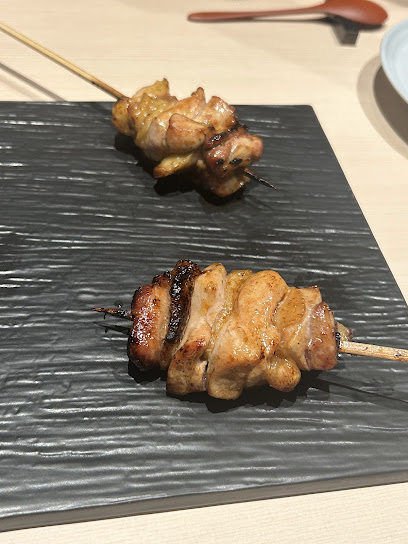
Eat okonomiyaki at a place where the chef has a system: ingredients prepped in specific order, sauce applied with a brush rather than poured, a practiced hand that knows exactly when to flip. Eat yakitori at a counter where the grill is visible and the chicken is turning constantly, never charring. The difference between good and mediocre is not subtle.
The Honest Truth: Osaka Food Culture Is Transactional, Not Romantic
What separates Osaka from other food cities is that eating here is treated as practical and democratic, not as an experience to be curated or elevated. A salaryman eating takoyaki at 6 p.m. on a Tuesday is not seeking authenticity or tradition—he is solving the problem of hunger efficiently and well. This is why the food is so good. There is no pretense, no markup for ambiance, no expectation that you will linger and order wine pairings.
Small restaurants here operate on volume and consistency. They make one thing well and repeat it five hundred times a week. They don’t need your Instagram post. They need you to come back.
Spend a full afternoon in Shinsekai, starting with takoyaki at a counter, moving to okonomiyaki at a small restaurant, and finishing with kushikatsu at a standing bar. Eat standing up when possible. This is how the food is meant to be consumed—quickly, cheaply, and without ceremony.