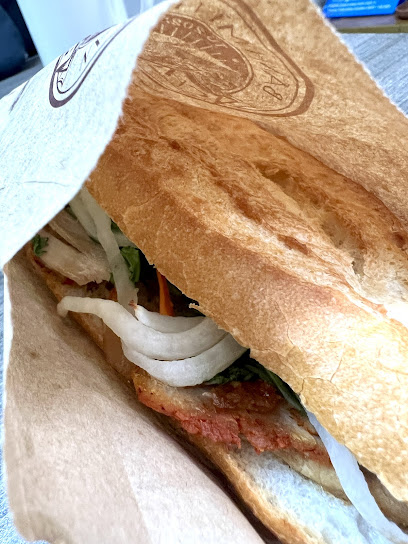
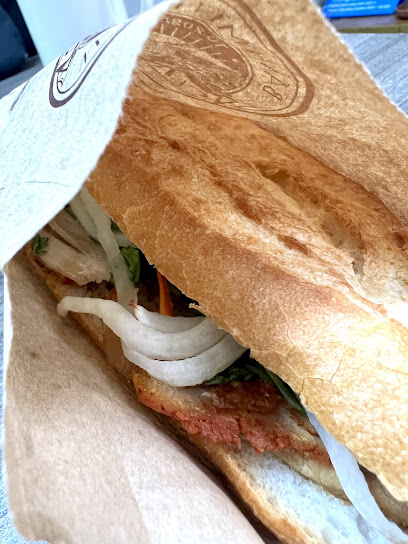
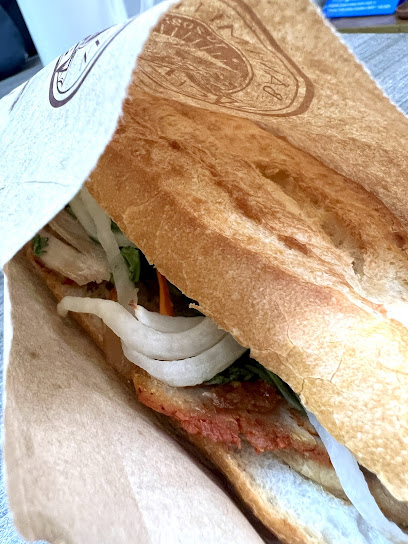
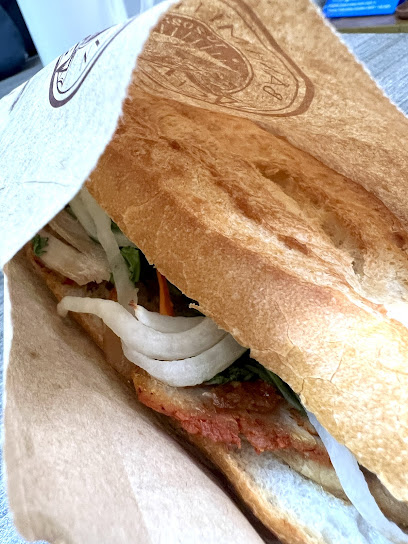
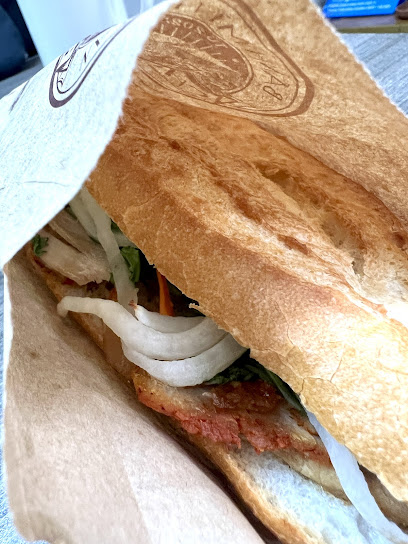
Banh Mi vs Cuban Sandwich: The French Bread Showdown
French bread colonized two islands an ocean apart, and both nations turned it into something the colonizers never intended. The Vietnamese banh mi and the Cuban sandwich are not cousins—they’re distant relatives who took the same ingredient and ran in opposite directions, creating two of the world’s most compelling handheld meals.
The Bread Is Where the Story Splits
Both sandwiches start with a crispy-exterior, airy-crumb French baguette, but the execution diverges immediately. A proper banh mi uses a baguette that’s lighter and airier than its Cuban counterpart—the crumb should be delicate enough to collapse slightly when you bite down, with a crust that shatters rather than crunches. This fragility matters because banh mi fillings are wet: pickled vegetables release brine, pâté softens, and the bread’s structure needs to absorb without disintegrating.
The Cuban sandwich demands a sturdier baguette, one that can withstand the plancha press without surrendering to the heat and steam. The crust needs to stay crisp even after the sandwich is pressed, which means a denser crumb and a thicker crust. Cuban bakers developed this through necessity—the sandwich had to survive being pressed, sliced, and handled in busy cafeterías. A weak baguette would turn to paste.
This single difference in bread engineering reflects the entire philosophy of each sandwich. Banh mi respects the integrity of its components; a Cuban sandwich melds them into one unified object.
Fillings Reveal Two Completely Different Flavor Codes
Banh mi fillings are built on contrast. You get pickled daikon and carrots (acid and crunch), pâté or head cheese (richness and umami), fresh cilantro and jalapeños (herbaceous heat), and usually some form of protein—grilled pork, sardines, tofu, or in the most common version, a combination of Vietnamese cold cuts and pâté. The sandwich works because these elements don’t integrate; they coexist. Each bite contains multiple textures and temperatures. The pickled vegetables stay crisp. The herbs stay bright. The pâté stays creamy.
Cuban sandwiches prioritize harmony. Ham, roasted pork, Swiss cheese, and pickles get pressed together until they fuse into a single entity. The heat melts the cheese, warms the meat, and softens the pickles slightly. The sandwich becomes monolithic—not in a bad way, but in the way of something deliberately unified. There’s no textural surprise; there’s satisfaction through consistency and the specific alchemy that happens when these four ingredients meet heat and pressure.
Banh mi is a conversation between ingredients. A Cuban sandwich is an argument resolved through heat.
Where These Sandwiches Actually Live Now Matters More Than History
You can find both sandwiches in major US cities, but they’ve evolved in completely different ways. Banh mi has become a vehicle for experimentation. Vietnamese restaurants in New York, London, and Sydney offer versions with everything from beef brisket to soft-shell crab to Korean-style marinated beef. This flexibility exists because banh mi’s structure—the contrast-based assembly—can accommodate almost any protein without breaking.
Cuban sandwiches have remained remarkably static. The canonical version—ham, roast pork, Swiss cheese, pickles, mustard, pressed—is almost never improved upon, only executed well or poorly. This isn’t conservatism; it’s confidence. The formula works so completely that deviation feels like failure.
The honest truth: most banh mi you’ll eat in Western cities are better than most Cuban sandwiches, simply because banh mi construction is more forgiving. A mediocre banh mi still has pickled vegetables and fresh herbs providing flavor. A mediocre Cuban sandwich is just compressed sadness. But an excellent Cuban sandwich—made with proper roasted pork from a place that knows what it’s doing—beats almost any banh mi on pure satisfaction.
What You Should Actually Do
Find a Vietnamese restaurant that makes its own pâté and pickles its own vegetables daily. Order a banh mi with grilled pork. Then find a Cuban restaurant in a neighborhood with actual Cuban residents, not tourists, and order a Cuban sandwich made to order. Eat them on different days. You’re not comparing sandwiches; you’re comparing two different philosophies of what bread and meat should do together. One is about complexity. One is about inevitability. Both are correct.