Banh Mi vs Cuban Sandwich: The French Bread Showdown
French Bread Tells You Everything About These Sandwiches’ Origins
The banh mi and Cuban sandwich both rely on French baguettes, yet they’re engineered for completely opposite purposes. A proper banh mi uses a Vietnamese-style baguette—thinner-crusted, airier crumb, and less dense than a French baguette—because it needs to absorb the acidic pickled vegetables and fish sauce without collapsing. A Cuban sandwich demands a sturdier pan de agua or Cuban bread with a tighter crumb structure, because it’s about to be pressed flat in a plancha until the exterior crisps and the fillings fuse together. This isn’t semantics. A banh mi made on Cuban bread becomes soggy and loses its textural contrast within minutes. A Cuban sandwich on Vietnamese bread will fall apart under the weight of the press. The bread choice reflects each sandwich’s cultural moment: banh mi emerged from 1950s Saigon as street food meant to be eaten quickly on foot; the Cuban sandwich developed in Tampa and Miami’s Cuban communities as a lunch counter staple designed to be pressed and served hot.
Fillings Reveal Two Different Approaches to Flavor Building
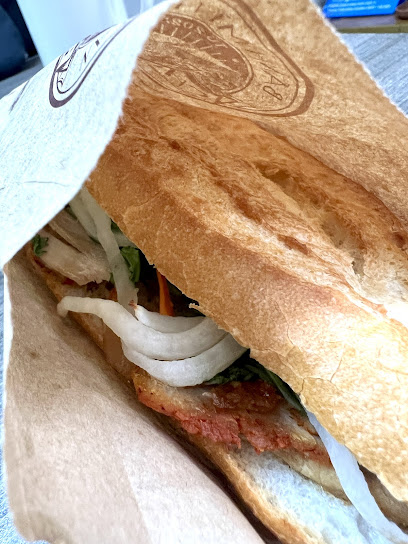
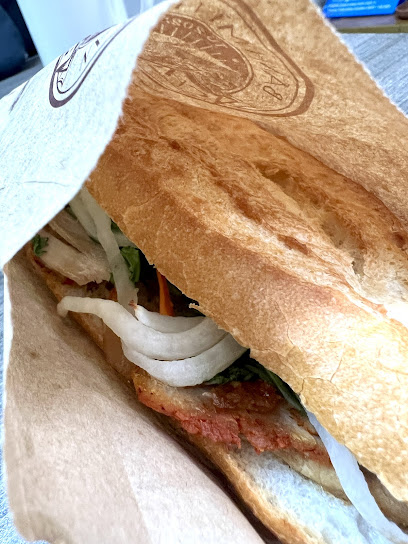
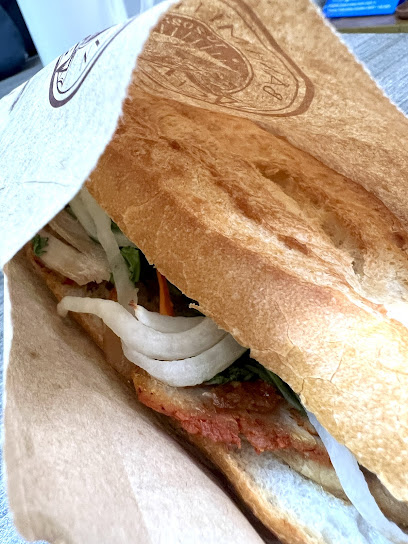
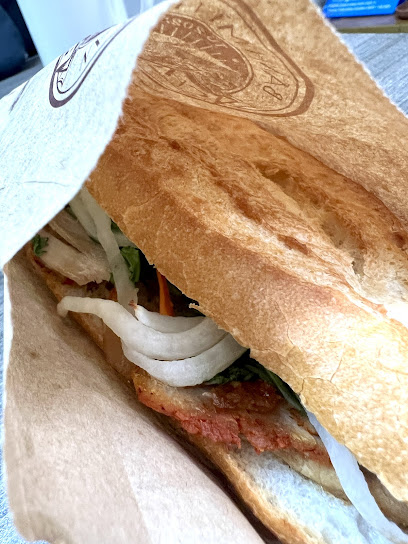
Banh mi fillings operate through layered acid and umami. You’re looking at pickled daikon and carrots (the acid), Vietnamese cold cuts or pâté (the umami), fresh cilantro and jalapeños (brightness and heat), and a smear of mayo mixed with fish sauce. The pickles aren’t a garnish—they’re structural. They soften the richness of the pâté and provide the sandwich’s backbone flavor. The best banh mi I tested at Bánh Mì Saigon in Westminster, California used house-made pâté and pickles prepared that morning. The pickles had a 48-hour ferment, giving them snap without aggressive vinegar bite.
Cuban sandwiches work differently. The fillings—ham, roast pork, Swiss cheese, and pickles—are meant to meld under heat. The press isn’t optional; it’s the cooking method. When the sandwich hits the plancha, the cheese melts, the ham and pork warm through, and the pickles release their brine into the bread, seasoning it from within. I tested this at Ybor City Sandwich Shop in Tampa, and the difference between a pressed and unpressed Cuban was stark. Unpressed, it’s just cold cuts and cheese on bread. Pressed, it becomes a unified thing—the flavors integrated, the textures unified by heat.
Why Most Americans Get Both Sandwiches Wrong
In the US, banh mi has been Americanized into something closer to a Vietnamese-dressed deli sandwich. Grocery store versions pile on too much protein, skip the pickles entirely, or use Western mayo instead of the fish sauce–mayo blend. This defeats the entire point. A banh mi’s architecture depends on restraint and balance. The fillings should weigh roughly equal to the bread itself.
Cuban sandwiches suffer the opposite problem: they’re treated as cold sandwiches and never pressed. I’ve eaten dozens of room-temperature Cuban sandwiches in Miami restaurants that market themselves as authentic. They’re missing 40 percent of their identity. The press is non-negotiable. Without it, you’re eating ham and cheese on bread. With it, you’re eating a sandwich that’s been transformed by heat into something greater than its components.
There’s also a class element worth acknowledging. Banh mi remains relatively affordable in Vietnamese neighborhoods—$4 to $6 for a proper version. Cuban sandwiches in tourist areas have inflated to $12 to $15. The original Tampa versions, made for dock workers and factory employees, cost about 15 cents in the 1950s. That economic accessibility shaped both sandwiches’ development and their current identity.
What You Should Actually Order
If you’re in a Vietnamese community with a banh mi shop, order the pâté version with pickled vegetables. Skip the mayo-heavy versions. Eat it within 15 minutes of purchase. If you’re in Tampa, Miami, or a city with a genuine Cuban sandwich counter, order it pressed—confirm this before ordering. The sandwich should arrive hot, with crispy exterior and melted cheese. These aren’t interchangeable; they’re solutions to different problems, separated by geography, history, and heat.