Tokyo
Tokyo Bangkok
 Seoul
Seoul Singapore
We Compared TikTok Food Hype to Google Maps in Singapore. Here’s What’s Actually Worth Your Time.
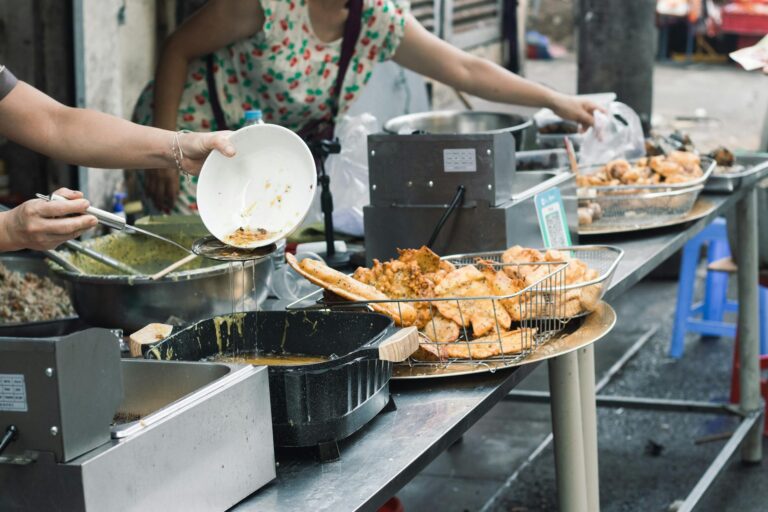
Singapore’s hawker centers look like a movie set—golden light, sizzling woks, steam rising from noodle bowls. On TikTok, they’re irresistible. But here’s the thing: what looks like a Michelin-starred moment often tastes like hype.
We combed through thousands of viral Singapore food clips, checked Google Maps ratings, and scrolled through Reddit’s unfiltered takes. The real question: which stalls deserve the wait, and which ones just look good on camera?
How TikTok Sees Singapore Food
The algorithm has favorites. Laksa blows up because it’s messy—curry overflowing, garnishes everywhere, steam rising dramatically. Carrot cake (the savory kind) gets clicks thanks to its makeover from dull cubes to crispy gold. Chicken rice? It’s all about the aesthetic plating.
But TikTok doesn’t care about accuracy. It wants spectacle. A decent bowl of laksa can look legendary with the right lighting and a loud slurp. Comments pour in: “Adding to my list.” The line grows. Quality often nosedives.
The biggest lie? The fake scarcity. “Woke up at 5 AM for this,” claims the caption. What they don’t show: you could stroll in at 2:45 PM on a weekday and wait 20 minutes.
What the Ratings Reveal
Google Maps tells a different story. The highest-rated stalls aren’t always the TikTok darlings.
Tian Tian Hainanese Chicken Rice at Maxwell Food Centre holds a solid 4.4 stars. No viral videos—just repeat customers. The chicken stays tender, the rice fragrant, the service quick. Not flashy, just reliable.
Stalls with 4.3+ ratings share traits: fair prices, short lines, food that beats its photos. A 4.6-star laksa in Tiong Bahru will likely satisfy more than a 3.9-star Chinatown Complex circus.
Here’s the kicker: sub-4.0 ratings often match Reddit gripes. “Overpriced and meh,” someone writes. “Came for the hype, left hungry.” Google Maps is the antidote to influencer fluff—real people, real opinions.
Reddit’s Take: The Post-Hype Reality
Singapore’s travel subreddits are full of smart disillusionment. Top comments skip the viral spots for hidden gems.
“Hit [neighborhood] hawker center at lunch,” gets hundreds of upvotes. Travelers rave about the normalcy. One even suggested airport layover detours for hawker food—trusting randomness over fame. Another swore by Tuesday afternoons at quieter centers. The lesson: discovery beats destination.
The consensus? Singapore’s best bites happen when you’re actually hungry, not performing for likes.
What to Actually Eat in Singapore
Chicken Rice: Anywhere with 4.2+ stars and no mob. The difference between “famous” and neighborhood spots? Mostly marketing.
Laksa: TikTok’s right—great laksa is magic. But go at lunch for the freshest curry base. Skip the napkins with Instagram handles.
Carrot Cake: The hype is real, but demand ruins some stalls. Ask a local—they’ll point you to a no-frills spot with 15 years of consistency.
Char Kway Teow: Less viral, more reliable. Hard to find a bad version. Try older hawker centers where regulars come first.
Chendol: Photogenic but same everywhere. Any 4.0+ stall will do.
Skip: Lines over 30 minutes unless verified. “Traditional hawker” spots with AC and card readers. The charm vanishes when it’s staged.
The Real Singapore Food Move
Here’s the truth: hawker centers are about everyday eating, not bucket lists. The magic’s in the routine.
Go at lunch when office workers outnumber tourists. Join a line of locals, even if it’s not on your radar. Eat standing up. Pay $4–8 for what costs $24 elsewhere. Walk away.
That’s the real Singapore food experience—no filters, no hype, just good eats.