Tokyo
Tokyo Bangkok
 Seoul
Seoul Singapore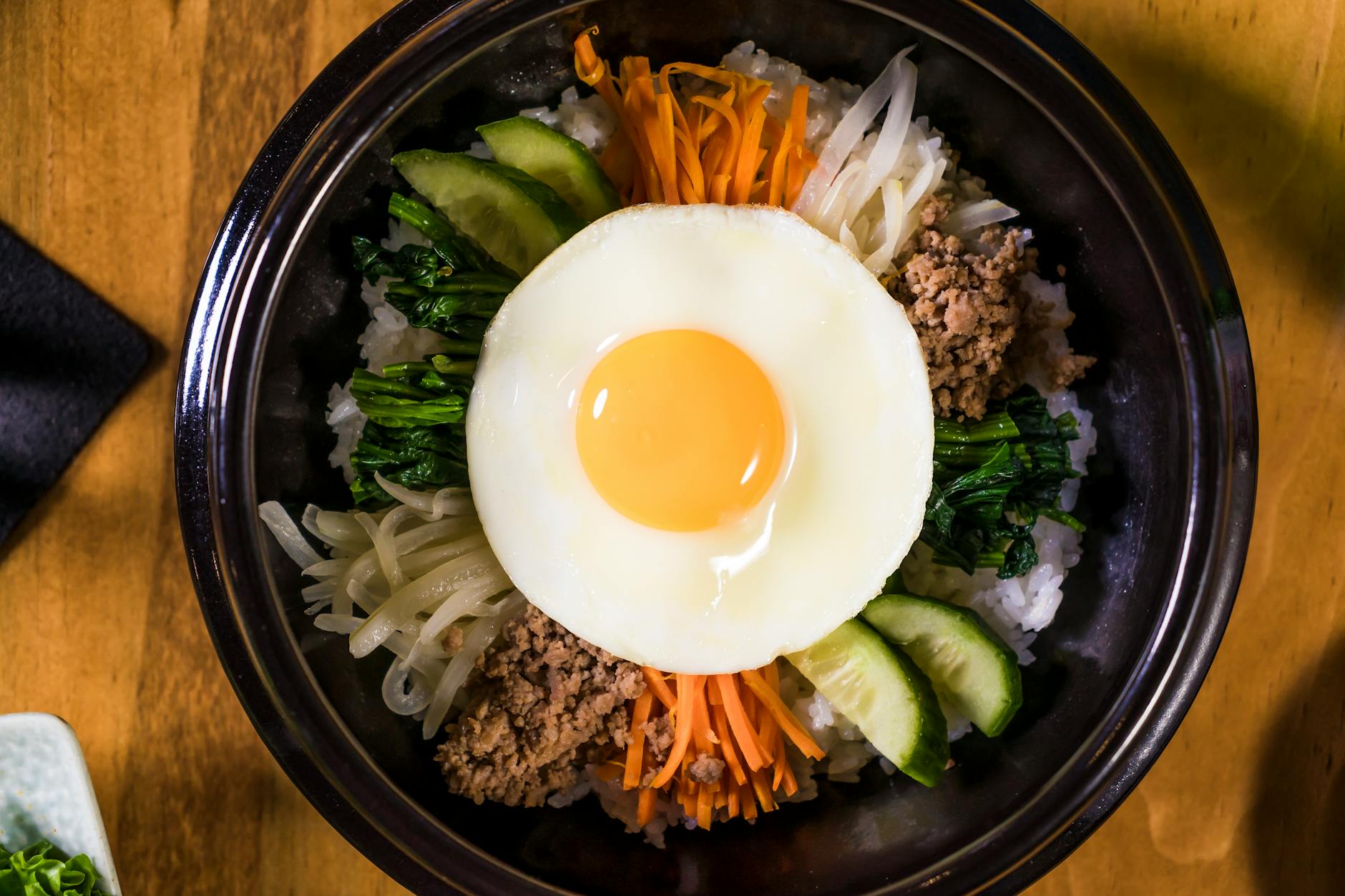
Bibimbap: Origins, Variations, and Where to Eat It
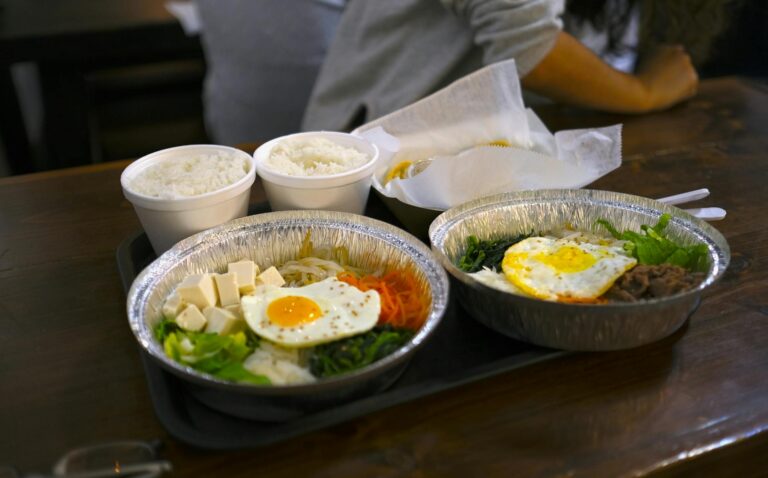
Bibimbap is Korea’s ultimate mix-it-yourself rice bowl. Picture this: a base of steamed rice topped with neat sections of seasoned veggies, your choice of protein (beef, egg, or tofu), and a swipe of spicy gochujang paste. The fun starts when you stir everything together. While “bibim” means mixing and “bap” means rice, that simple translation doesn’t capture the magic. This dish turns eating into a hands-on experience where every bite changes based on how you combine the ingredients.
Origins and History
Food historians trace bibimbap back to Korea’s Joseon Dynasty, though its exact beginnings are fuzzy. Most agree it started in Jeonju as a clever way to use up leftovers. Temple festivals and village feasts turned it into a communal dish—throw whatever you’ve got into a bowl and call it a meal.
The Korean War changed everything. When refugees flooded into Busan, street vendors adapted the dish with whatever ingredients they could find. That’s why Busan-style bibimbap often packs more protein than the original. By the 1960s, as Korea modernized, bibimbap moved from home kitchens to restaurants. Then came the 1970s game-changer: the sizzling dolsot (stone bowl) version that crisps the rice at your table.
Regional Variations
Jeonju Bibimbap is the classic. Protected as a cultural heritage dish, it’s loaded with 30+ vegetable toppings arranged like edible artwork. The beef (when used) is subtle, and gochujang gets added with restraint. Served in brass bowls called sora, not stone.
Busan Bibimbap plays by its own rules. This port city version piles on seafood—raw fish, octopus, squid—and doesn’t shy away from bold flavors. Vendors often mix in the sauce before serving, saving you the work. It’s hearty, not delicate.
Seoul-style Bibimbap splits the difference. The sizzling dolsot version dominates here, with 6-10 quality toppings and careful plating. Restaurants focus on consistency and presentation, often using premium beef. Some spots even skip the gochujang entirely, surprising visitors who expect heat.
What Makes a Great Bibimbap
Fresh rice is non-negotiable—day-old rice turns gummy. Each vegetable should be seasoned separately with sesame oil, garlic, and salt. That layering of flavors matters more than drowning everything in sauce.
Good protein makes a difference. For meat versions, well-marbled beef stays juicy when mixed. A runny egg yolk is practically mandatory—it binds everything together. The gochujang should be fermented properly, balanced with sesame oil and maybe a touch of vinegar. Too much paste ruins the dish.
With dolsot bibimbap, listen for the sizzle when it hits your table. Drizzle sesame oil around the edges to maximize the crispy rice crust forming at the bottom. That golden-brown crunch (nurungji) is the best part—toasty, nutty, and completely addictive.
Where to Try Bibimbap: City by City
Jeonju: The birthplace of bibimbap. Head to the Hanok Village’s maze of traditional houses where family-run restaurants have served this dish for generations. Gogung and Chukchaeso are famous, but wander the side streets for better options. Don’t miss the market stalls serving no-frills versions for under 10,000 KRW.
Seoul: You’ll find bibimbap everywhere here, but quality varies. Skip the tourist traps in Gangnam and Myeongdong. Instead, try Insadong’s traditional spots or student-friendly joints in Hongdae. Nearly every Korean restaurant offers the sizzling dolsot version.
Busan: Go where the seafood is fresh—Jagalchi Market area or port-side restaurants. Their bibimbap comes topped with raw fish caught that morning, creating a completely different flavor from inland versions.
Price Guide
South Korea prices (2024):
Street food stalls: 8,000-12,000 KRW ($6-9)
Casual restaurants: 12,000-18,000 KRW ($9-14)
Sizzling dolsot version: 15,000-25,000 KRW ($11-19)
Jeonju tourist spots: 15,000-20,000 KRW ($11-15)
Premium beef versions: 25,000-40,000 KRW ($19-30)
High-end restaurants: 40,000+ KRW ($30+)
What’s remarkable is how bibimbap works at every price point—from plastic stool street food to white-tablecloth dining. That adaptability explains why it remains Korea’s most democratic dish, equally at home at temple festivals and business lunches.