Tokyo
Tokyo Bangkok
 Seoul
Seoul Singapore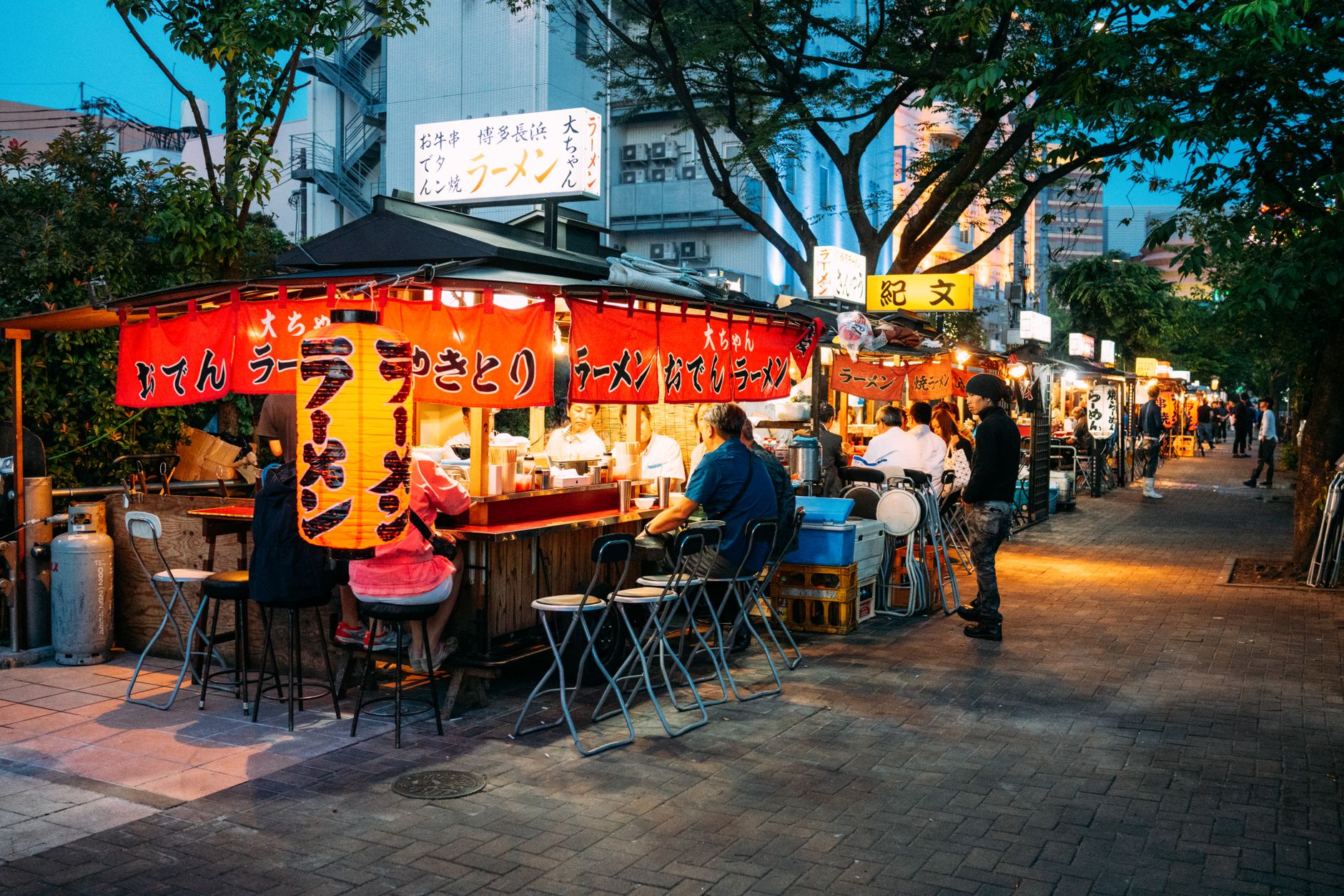
We Compared TikTok Food Videos to Google Maps Ratings in Tokyo. Here’s the Truth.
TikTok makes Tokyo’s food scene look like a perfectly edited highlight reel—all glistening ramen, sushi that belongs in a museum, and convenience store snacks treated like rare delicacies. The truth? It’s way more interesting when you ditch the hype.
The TikTok Version of Tokyo Food
You know the videos. Perfectly shot ramen with wobbling eggs, sushi so pristine it looks fake, and endless gushing over 7-Eleven egg sandwiches. These clips follow a pattern: extreme close-ups, audible slurping, and a sense of wonder that suggests Japan invented food yesterday.
Ramen trends when it looks like liquid gold. Sushi gets clicks if it’s either stupid expensive or suspiciously cheap. Convenience store content? That’s all about the “OMG” factor—like finding out ¥100 onigiri actually tastes good. Which it does. But locals already knew that.
What you don’t see: the mediocre sushi places riding the hype, the ramen shops where tourists outnumber locals, or the fact that most convenience store food is just… reliably decent. No cinematography required.
What the Ratings Actually Say
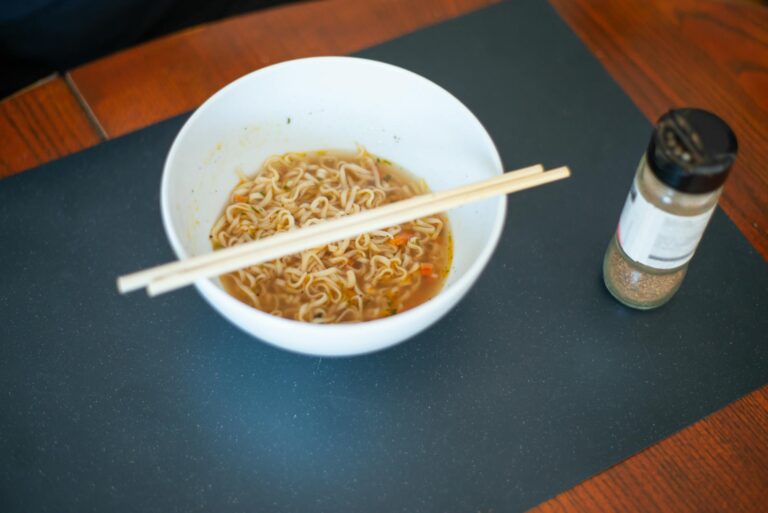
Google Maps tells a different story. Top-rated ramen spots aren’t the viral ones—they’re places like Ippudo (solid 4.6 stars) or neighborhood joints like Tsuruhashi Furin in Shinjuku (4.5+ stars). These places serve lunch to people who just want good noodles, not content.
Here’s the thing: famous spots get reviews, not necessarily love. A Shibuya ramen shop might have 50K reviews at 4.0 stars, while some tiny Nakano spot with 2K reviews sits at 4.7. Guess which one keeps popping up on your feed?
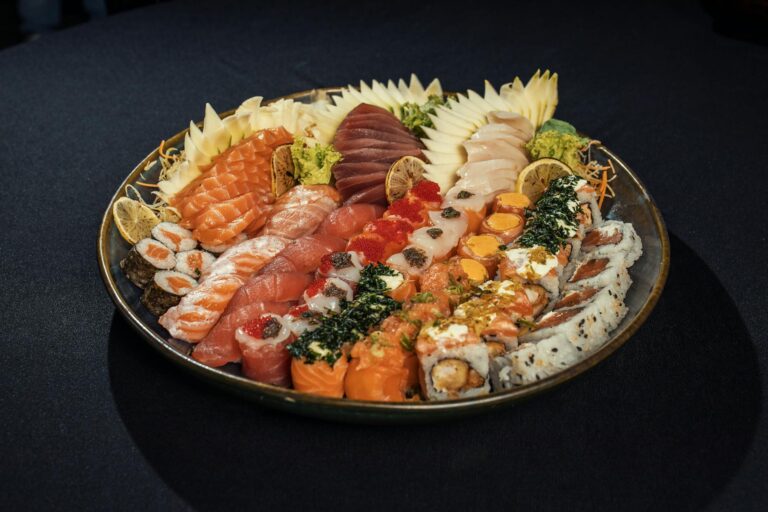
Sushi ratings split hard. Elite places hover around 4.6-4.8 stars but require planning (or luck) to visit. Mid-range conveyor belt spots? A reliable 4.4. Those premium sushi temples TikTok loves? Often stuck at 4.3. Maybe paying ¥50,000 raises expectations too high.
Convenience stores escape scrutiny—you can’t really rate them on Google. So TikTok’s mythmaking goes unchecked. Probably fine. The egg sandwiches are still good even if you don’t film them.
Reddit’s Verdict: Where Travelers Land After the Hype
Reddit’s Japan travel forums are full of people over it. Not Japanese food—just the performative chase of viral meals. The takeaway: treat Tokyo’s food scene like a city, not a checklist.
Those who wander into random spots tend to eat better. One common refrain: “Waited 90 minutes at [famous ramen place]. It was good, but not ‘stand in the cold for it’ good.”
On convenience stores? Universal agreement: the food’s great, but calling it a “hidden gem” is ridiculous. A ¥130 pork bun is excellent because it’s cheap and tasty, not because you “discovered” it. Please stop.
The Tokyo Food Truth: What to Actually Order
Ramen: Skip the tourist traps. Find a 4.5+ star neighborhood shop specializing in one style. Chains are fine. That tiny shop with five stools and a line of locals? That’s the move.
Sushi: Mid-range conveyor spots (4.4 stars) deliver fresh fish without the drama. Tsukiji outer market stands are legit, but don’t expect life-changing tuna. Those ¥200 Instagram nigiri? Might taste like regret.
Convenience Store Food: Just eat it. Onigiri? Good. Bento? Good. Karaage? Good. It’s not a secret—it’s just well-made cheap food. Film it if you must, but know you’re not revealing anything.
Bonus: Find an Izakaya (sorted by Google Maps ratings near you). Get yakitori, beer, and sit next to strangers. This beats any viral dish.
The Actual Verdict
Tokyo’s food scene is both overrated and underappreciated. The TikTok version is exhausting. The real deal? It’s everywhere—in unassuming shops, at standing bars, in the konbini you walk past every day. Eat like you live here, not like you’re collecting clips. The food’s better that way.