Bánh Mì vs Cuban Sandwich: French Bread Showdown

I’ll never forget the moment a street vendor in Hanoi showed me why bánh mì bread matters more than the filling. She’d just pulled a baguette from the oven—crackling crust, airy crumb—and split it lengthwise while it was still steaming. “If the bread isn’t right,” she said in Vietnamese, “nothing else matters.” That same principle applies to Cuban sandwiches I’ve eaten in Miami, where the bread gets pressed and toasted until it transforms into something almost completely different. Both sandwiches inherit French bread DNA, yet they’ve evolved into distinct animals entirely.

How French Colonialism Created Two Different Breads

Vietnam and Cuba both adopted the French baguette during colonial periods, but they took it in opposite directions. Vietnamese bakers adapted the baguette to their climate and ingredients, creating bánh mì bread that’s lighter, airier, and thinner-crusted than traditional French versions. The crumb structure is deliberately delicate—almost fragile—because it needs to hold up to wet pickled vegetables and pâté without becoming soggy. I learned this from a baker in Ho Chi Minh City who explained that bánh mì uses higher hydration dough and shorter fermentation times than French baguettes.

Cuban sandwiches, meanwhile, use a bread that’s closer to authentic French baguettes but with added lard or butter worked into the dough, making it richer and more substantial. The Cuban pan de agua (water bread) is denser and has a thicker crust designed specifically for pressing. When you order a Cuban sandwich at a proper cafeteria in Little Havana, they’ll butter the outside of the bread before pressing it on a plancha—a flat griddle. This toasting step is non-negotiable. The bread transforms into something crispy and golden, almost like a grilled cheese exterior but with a softer, warm interior.

Fillings That Reflect Two Different Food Cultures

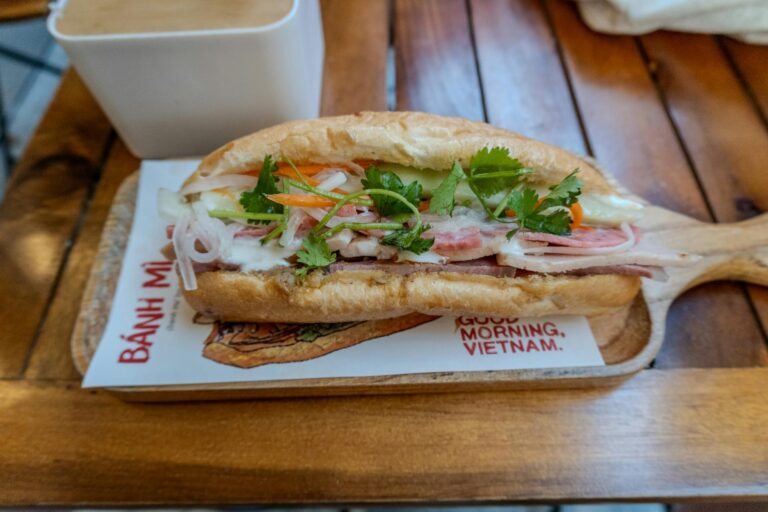
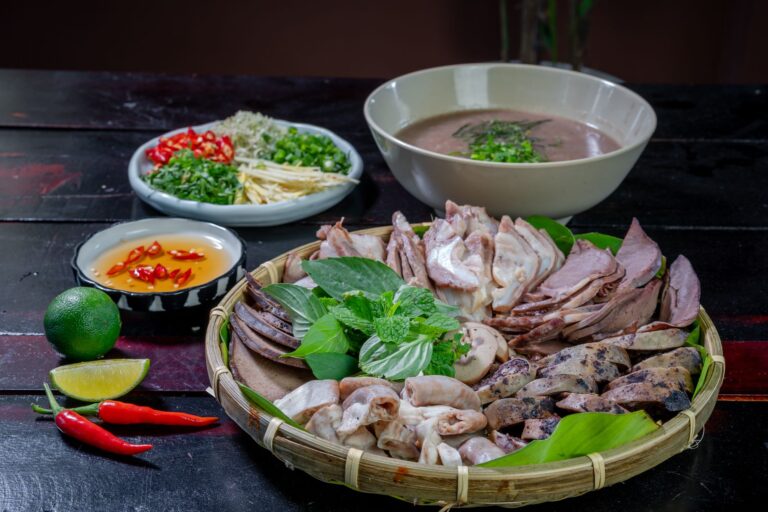
Here’s where these sandwiches completely diverge. Bánh mì reflects Vietnamese flavor preferences: cool, fresh, acidic, and balanced. You’ll find Vietnamese cold cuts (usually pâté and head cheese), but they’re just the foundation. The real stars are the pickled daikon and carrot, fresh cilantro, jalapeños, and cucumber. A proper bánh mì also includes a smear of pâté and often a thin layer of mayonnaise. Everything stays cool and crisp. The sandwich is meant to be eaten quickly, before condensation from warm pâté makes the bread soggy.

Cuban sandwiches are the opposite: warm, pressed, and unified. You’re looking at roasted pork (traditionally marinated in mojo), ham, Swiss cheese, and pickles—that’s it. No fresh vegetables, no cilantro, no heat. The magic happens on the plancha when everything melds together under pressure. The cheese melts slightly, the pickles warm up and soften, and the bread exterior becomes crispy while staying tender inside. Cuban sandwiches are comfort food built for eating slowly, savoring how the flavors integrate as the sandwich cools.

Making Them at Home: What Actually Matters

If you want to make bánh mì at home, source the right bread first. Most Vietnamese bakeries in Western cities make bánh mì specifically—ask for it by name rather than just “baguette.” If you can’t find it, a thin French baguette works in a pinch, though the crumb will be denser. Keep everything cold until assembly. Spread pâté on one side, mayo on the other, then layer in your cold cuts, pickled vegetables, fresh herbs, and jalapeños. Eat it within 15 minutes.

For Cuban sandwiches, you need a proper Cuban bakery or a good Italian bakery that makes pan de agua. Build your sandwich with room-temperature ingredients, then take it to a panini press or griddle (butter the outside first). Press for 3-4 minutes until the cheese melts and the bread is golden and crispy. The sandwich should be hot when you bite into it.

Both sandwiches prove that French bread was just the starting point. What matters is understanding how each culture adapted it to their ingredients, climate, and eating style. Make bánh mì when you want something fresh and quick. Make Cuban sandwiches when you want something warm and grounding. They’re not competitors—they’re two perfect solutions to two different problems.

Priya Nair
About the Author
Priya Nair

Priya Nair is WokFeed's South and Southeast Asian food specialist. Born in Mumbai and now based in London, she writes about Indian street food, Thai cuisine, and Vietnamese cooking. Priya believes the best food stories are found on plastic stools, not in Michelin-starred restaurants.

📊 Data Sources & Editorial Standards
📍 Google Maps✍️ Editorial Research

WokFeed's restaurant guides are compiled from real traveler data, on-the-ground research, and cross-verified across multiple platforms. Our editorial team fact-checks all recommendations before publication.

Similar Posts