Tokyo
Tokyo Bangkok
 Seoul
Seoul Singapore
We Compared TikTok Food Videos to Google Maps Ratings in Bangkok. Here’s the Truth.
TikTok has millions convinced Bangkok’s food scene is just Pad Thai and Mango Sticky Rice—two dishes that are everywhere yet completely misrepresented online. Meanwhile, real travelers and Google Maps reviewers are eating something totally different. The gap between viral fantasy and actual good food keeps growing.
The TikTok Version of Bangkok Food
Search “Bangkok food” on TikTok and you’ll see the same five dishes on repeat—all shot in perfect golden light with exaggerated slurping sounds. Pad Thai dominates, with videos showing dramatic wok tosses and flames shooting sky-high. Mango Sticky Rice comes next, always plated in minimalist bowls with that perfect coconut cream drizzle. Then there’s the obligatory pad see ew, tom yum in smoking coconuts, and life-changing pad kra pao moo clips.
These dishes go viral because they look exciting. Fire, bright colors, and that “authentic” vibe perform well. What they don’t show: the dozens of mediocre versions at tourist traps charging triple the price. Or that half these videos are shot at restaurants built specifically for social media.
The Pad Thai hype is especially wild. It’s Thailand’s national dish, sure. But TikTok has turned it into some mythical experience—when most tourist versions taste like sweet ketchup noodles with zero fish sauce depth. Actual Thai cooks would cringe.
What the Ratings Actually Say
Google Maps tells a different story. Bangkok’s top-rated spots aren’t the flashy street stalls from viral videos. The highest-rated places—Michelin spots like Gaggan and Nahm, plus local favorites—share one thing: they focus on quality, not looks.
Here’s the pattern: places specializing in just a few dishes dominate the ratings. Curry shops with 4.7+ stars have been making the same three curries for decades. Boat noodle stalls with perfect ratings use family recipes, not TikTok formulas. You won’t see these places in montages—they’re small, often cramped, with harsh fluorescent lighting.
The data doesn’t lie: restaurants that prioritize presentation go viral. Restaurants that prioritize taste get high ratings. These are rarely the same place. A Michelin-recommended Pad Thai in Chinatown beats any viral version—better balance, proper chew, actual fish sauce complexity. But it won’t look as pretty.
Same goes for Mango Sticky Rice. The best versions come from dessert specialists and old shophouses, not trendy cafes plating it on marble with gold leaf. Just ripe mango, perfectly cooked sticky rice, coconut milk done right. Simple. Not viral.
Reddit’s Verdict: Where Travelers Land After the Hype
Reddit’s Thailand tourism threads aren’t mainly about food—they’re full of logistics questions—but when food comes up, the pattern is clear: TikTok leads to disappointment, then people find better options.
Read between the lines in traveler posts. They arrive with TikTok recs, eat at overpriced viral spots, then post asking for alternatives. Comments always point them toward neighborhood joints and local favorites—places you’d never see in an algorithm.
Reddit users care about specifics, not general categories. They rave about one particular som tam vendor in Isaan, not som tam as a concept. They remember curry shops by location and owner, not by plating. The best finds are often in places with plastic chairs and bad lighting—the opposite of TikTok bait.
The economic reality gets ignored too. Bangkok’s best food is cheap, but viral spots jack up prices. Travelers report paying 3-4x normal rates at trendy places for mediocre food, then discovering they could’ve eaten better for way less.
The Bangkok Food Truth: What to Actually Order
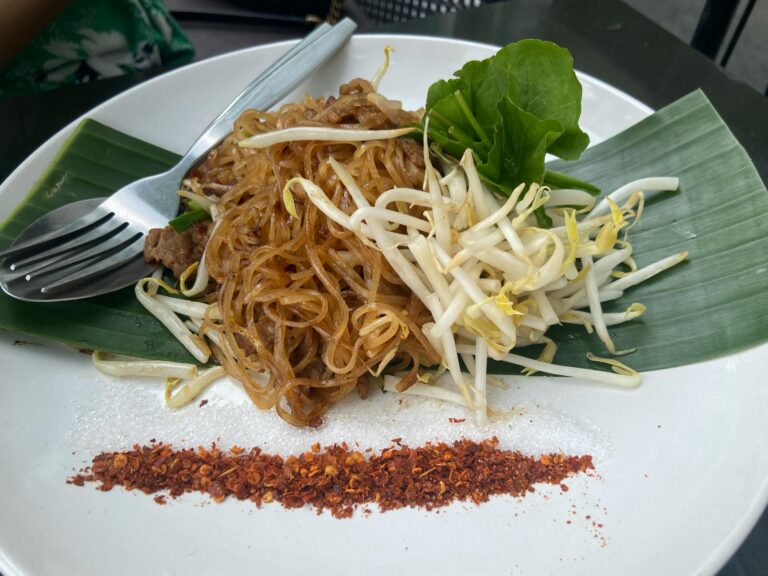
Pad Thai: Skip the viral vendors. Get it from a curry shop that’s been around forever. It should be spicy, sour, and salty—not sweet. If it’s orange, walk away. The good versions have proper fish sauce funk, crushed peanuts for texture, and noodles with bite. Cost: 40-60 baht. Viral spots charge 120-180 baht for worse.
Mango Sticky Rice: Buy it from a dessert stall, not a restaurant. May through July is mango season. Other months mean subpar fruit. The best comes from vendors who’ve made it the same way for decades, sold from carts or small shops. Simple but revealing. Cost: 30-50 baht. Trendy cafes charge 150+ baht for gimmicks.
Tom Yum Soup: Avoid the tourist presentation. Skip the smoking coconut and fancy plating. Get it from a seafood spot in a random neighborhood. It should taste aggressively funky—shrimp paste and galangal forward, not balanced for cameras. The good versions scare first-timers with their intensity.
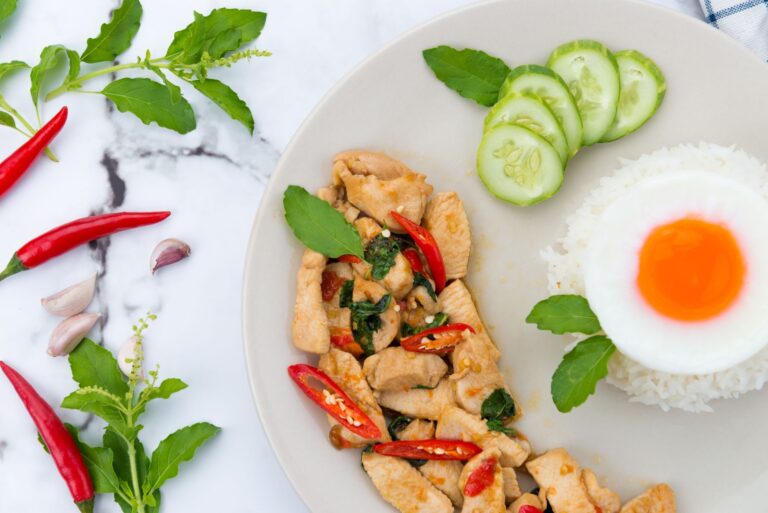
Pad Kra Pao Moo: Find a breakfast stall. This lunch dish gets ignored by TikTok because it’s not flashy. Minced pork with Thai basil, fried egg, rice, and soup. Simple, 30 baht, delicious. The best spots are open 6am-11am in areas tourists skip.
Boat Noodles: Go early, find a line, point at what locals order. These rich noodle soups are Bangkok staples, served in no-frills shops with broth that’s simmered for years. TikTok hasn’t figured out how to make them look cool (they’re brown and humble), so they stay under the radar. Cost: 40-60 baht. Quality: always solid.
The Verdict
Bangkok’s food scene is incredible—but TikTok shows a polished version that sacrifices flavor for looks. Your best meal probably won’t be viral. It’ll be something you found by wandering, or from a local tip, or at a plastic table at dawn eating noodles with strangers. Google Maps and Reddit get this. TikTok never will.
Go to Bangkok hungry. Ignore the algorithm. Eat to taste, not to post.