Tokyo
Tokyo Bangkok
 Seoul
Seoul Singapore
Chicken Tikka Masala: Regional Secrets & Spice Blends

The moment you step into Karim’s in Old Delhi, the air hits you—smoky grilled chicken, warm cardamom, and a sharp kick that lingers. This cramped alleyway spot has been serving food since 1913, where cooks yank charred chicken from roaring tandoors. One bite makes it clear: chicken tikka masala isn’t a single dish. It’s a whole universe of flavors hiding under one name.
Why Delhi and Punjab Cook It Differently
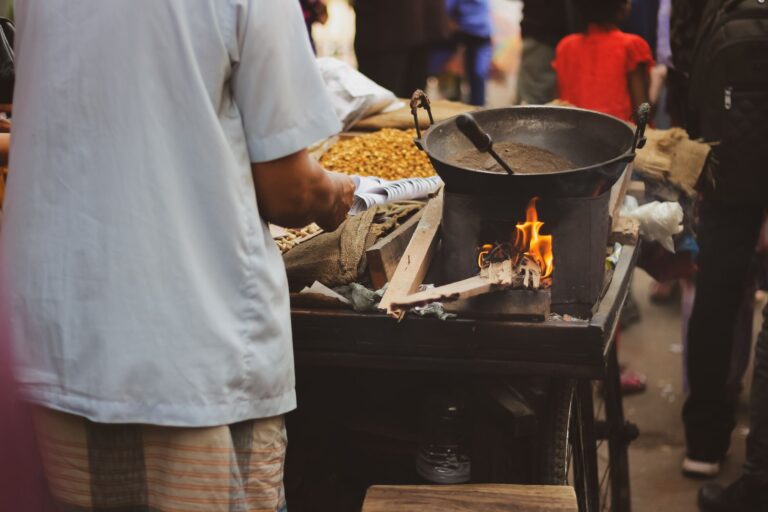
Delhi’s version is all about the burn. Chicken gets blasted in the tandoor until the edges crisp up but the inside stays tender. The sauce? Tomato-heavy, with a tangy punch and just enough cream to smooth it out. At Chandni Chowk, vendors keep their gravy moving constantly, tossing in kasuri methi and amchur for earthy depth without turning up the heat.
Head to Punjab, and everything shifts. In Amritsar or Ludhiana, the sauce turns velvety, loaded with butter and cream. Fenugreek leaves and ginger-garlic paste take center stage. Near the Golden Temple, one cook revealed their trick: spices sizzle in ghee for a full two minutes before tomatoes join the party. The chicken gets less fire time—it’s about succulence, not smoke.
The Spice Blend Nobody Talks About
Most recipes won’t admit this: the spices change daily. A Bangalore cook once showed off his masala tin—no standard garam masala here. He used cinnamon, cloves, black cardamom, and freshly toasted coriander seeds. The exact mix doesn’t matter as much as starting with good stuff.
The real magic happens in the tomatoes. Home cooks might dump them in raw, but street vendors cook them down with ginger, garlic, and chilies until thick and jammy. That kills the acidity and amps up flavor. A Mumbai guy finishes his with a pinch of sugar and lemon—not for sweetness, but to make every other ingredient pop.
How to Actually Cook This at Home
Don’t skimp on the marinade. Street vendors soak chicken overnight in yogurt, ginger-garlic paste, and Kashmiri chili powder. The yogurt breaks down the meat, and the spices sink in deep. No tandoor? Crank your broiler as high as it goes. Watch closely—six minutes is all it takes to get that blackened edge.
For the sauce: toast whole spices in ghee first. Add ginger-garlic paste and cook until the raw smell fades. Stir in your pre-cooked tomato sludge, let it bubble, then drizzle in cream until the sauce clings to a spoon. Finish with salt, kasuri methi, and amchur. Taste often. You want harmony, not a spice bomb.
What separates your kitchen from the street? Time. Vendors don’t hurry. They let flavors build. Give your sauce a full hour next time. It’ll taste like you put miles between your stove and home.