Tokyo
Tokyo Bangkok
 Seoul
Seoul Singapore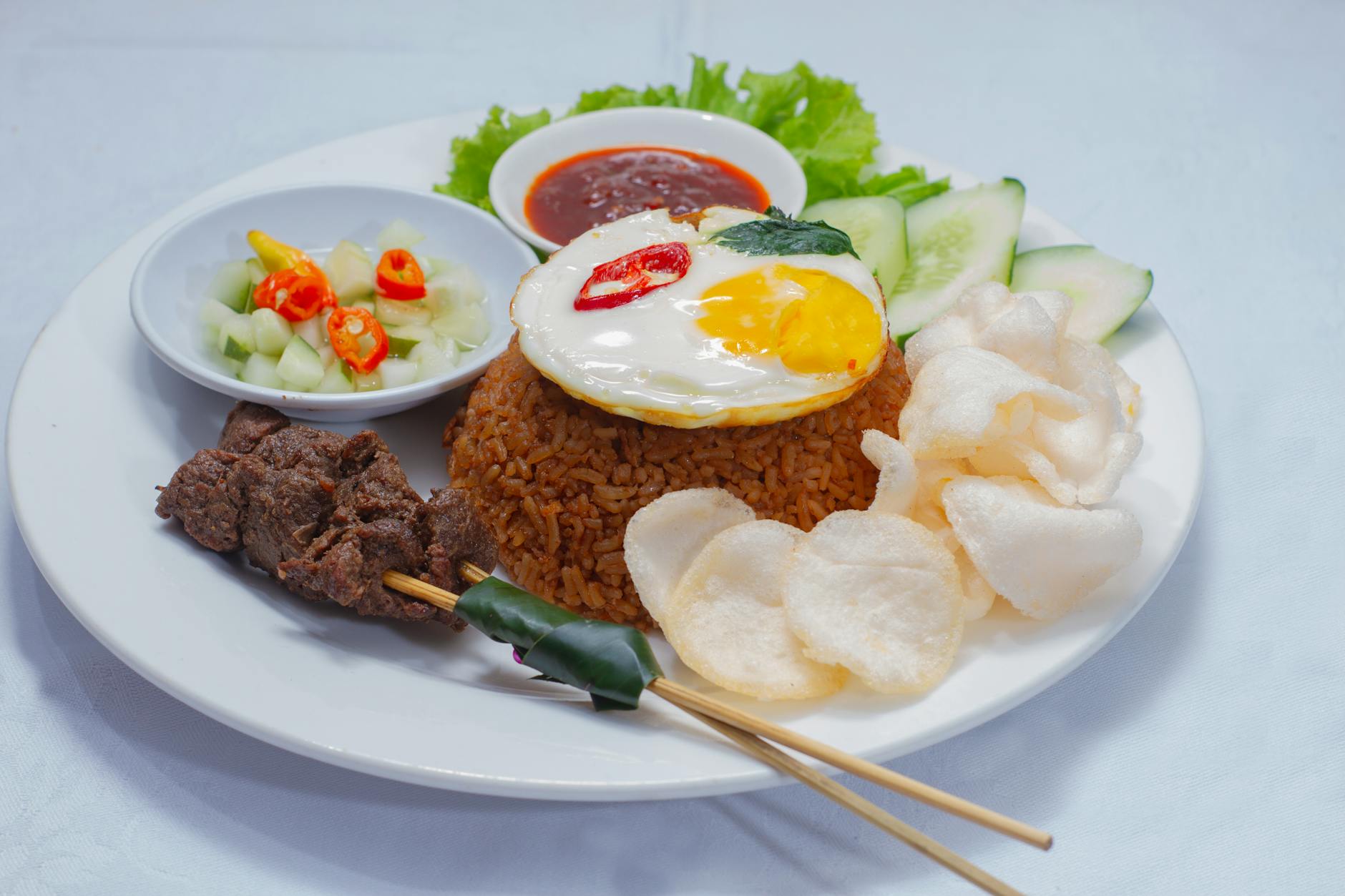
Make Nasi Goreng Paste Like Jakarta Street Vendors
At Pasar Baru in Central Jakarta, the air changes around 5 a.m. No floral sweetness here—just the pungent kick of terasi (shrimp paste) hitting a hot wok, tangled with caramelizing shallots and the molasses-heavy aroma of kecap manis. Vendors like Ibu Siti have spent decades mastering this alchemy. Here’s the truth: nasi goreng isn’t about fancy wok skills. It’s about the paste. Get that right, or you’re just reheating rice.
Most home cooks obsess over technique—the toss, the heat, the timing. Miss the point. The soul of the dish lives in that base paste. From Medan’s street carts to Surabaya’s warungs, the gap between mediocre and memorable always comes down to one thing: how much care went into the foundation.
Why Kecap Manis Is Your Foundation, Not a Condiment
Drizzling kecap manis at the end? Big mistake. This syrupy soy sauce needs to cook into the paste, not pool on top. In Jakarta’s Glodok district, vendors treat it like a sommelier picks wine—specific producers, no compromises. That’s because it carries the dish’s entire umami weight.
For your paste, mix three tablespoons of kecap manis per two cups of uncooked rice (about four cups cooked). Don’t dump it straight into the wok. Blend it into the paste first, letting the heat thicken and deepen the flavor. Ibu Siti’s trick? Let it simmer just until the edges darken slightly. That’s your cue.
Terasi and Shallots: The Backbone You Can’t Skip
Terasi smells like a tidal zone at low tide. First-timers often balk. But this fermented shrimp paste isn’t about seafood flavor—it’s pure umami depth. Use a teaspoon per batch. No more.
Shallots? At least four, minced fine. Not sliced. In Bandung’s night markets, they crush them with garlic (three cloves) and chilies (two to three) using a mortar. Not for tradition—for function. Crushing releases oils, creating a paste that sticks to rice instead of sliding off.
The Actual Method: What You’re Actually Doing
Heat your wok medium-high. Add two tablespoons of vegetable or peanut oil—never olive. When it shimmers, toss in the shallot mix. It should sizzle on contact. Stir two minutes until golden and sweet-smelling. Now add terasi. Thirty seconds later, your kitchen will smell funky. Good.
Stir in the kecap manis. Ninety seconds later, the paste should look nearly black and glossy, like caramel mixed with seawater. Add cooked rice. Two minutes of stirring should coat every grain.
Nail this paste, and your nasi goreng transforms from leftover rice into something people fight over. The rest—egg, veggies, protein—just plays backup.