Tokyo
Tokyo Bangkok
 Seoul
Seoul Singapore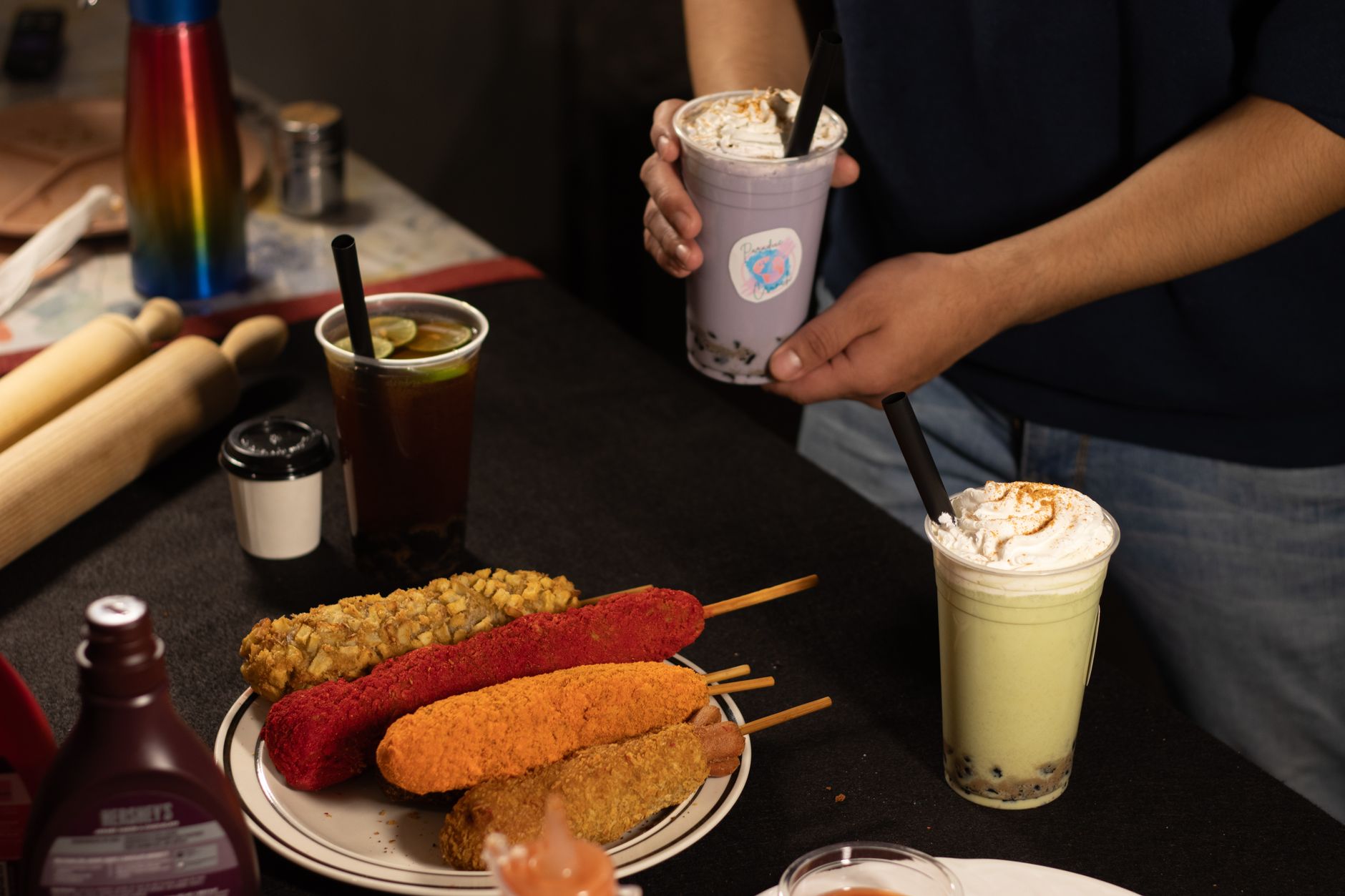
Bubble Tea vs Hong Kong Milk Tea: Which Asian Drink Wins

Bubble tea might be winning globally, but Hong Kong milk tea is the real deal. This isn’t nostalgia—it’s about what each drink was made to do, and which one actually delivers.
Bubble Tea Is Fun. Hong Kong Milk Tea Is Fuel.
Let’s be honest: bubble tea’s appeal isn’t about flavor. Those chewy pearls? They’re there to distract you from tea that often tastes like sugar water. It’s built for social media. The texture gives your mouth something to do besides taste mediocre tea.
Hong Kong milk tea—nicknamed “pantyhose tea” from how it’s strained—plays no games. Just strong black tea (usually Indian and Ceylon blends), evaporated milk, maybe condensed milk. Nothing else. Done right? Smooth, slightly bitter, deeply satisfying. It actually tastes like something. This is diner fuel, not a photo op.
Here’s the key difference. Bubble tea needs pearls because the tea itself often disappoints. Hong Kong milk tea stands on its own. Bad bubble tea can still be enjoyable. Bad Hong Kong milk tea is just sad.
Where to Actually Taste the Difference
In the US, hit a proper cha chaan teng in Flushing, Queens—Tsim Sha Tsui or Jing Fong work. Order Hong Kong milk tea with buttered toast and condensed milk. Drink it hot. You’ll instantly get why this drink has lasted 70 years without gimmicks.
For bubble tea, Gong Cha delivers consistency in most cities. Or hunt down a Chinatown spot making their own pearls—they’ll use better tea than chains. Skip the fruit flavors; classic milk tea with pearls is the real test.
Londoners should try Cha Chan Tang in Soho. In Sydney, ask locals at Paddy’s Markets or Chinatown where they get their cha—they’ll know better than any guide.
The Awkward Truth: Bubble Tea Wins Because It’s Easy Money
Bubble tea conquered the world because it’s foolproof. Bad versions still sell. Pearls cost pennies. You can charge $6 for $1 worth of ingredients. Hong Kong milk tea? Requires skill—proper tea blends, exact milk ratios, perfect temperature. Hard to mass-produce. Impossible to fake.
So bubble tea went global. Malls everywhere sell it, often run by people who’ve never seen Taiwan. Hong Kong milk tea stayed where it belonged.
This isn’t elitism. One drink was made for profit. The other was made to be good. They serve different purposes.
The pearls entertain. The pantyhose tea sustains.
What You Should Actually Do
Stop comparing bubble tea and Hong Kong milk tea. They’re different beasts. Want something sweet and playful? Grab bubble tea. Want to taste decades of Hong Kong tradition—no hype needed? Find a cha chaan teng. Drink the milk tea hot, with food, like it’s meant to be. The difference speaks for itself.