Tokyo
Tokyo Bangkok
 Seoul
Seoul Singapore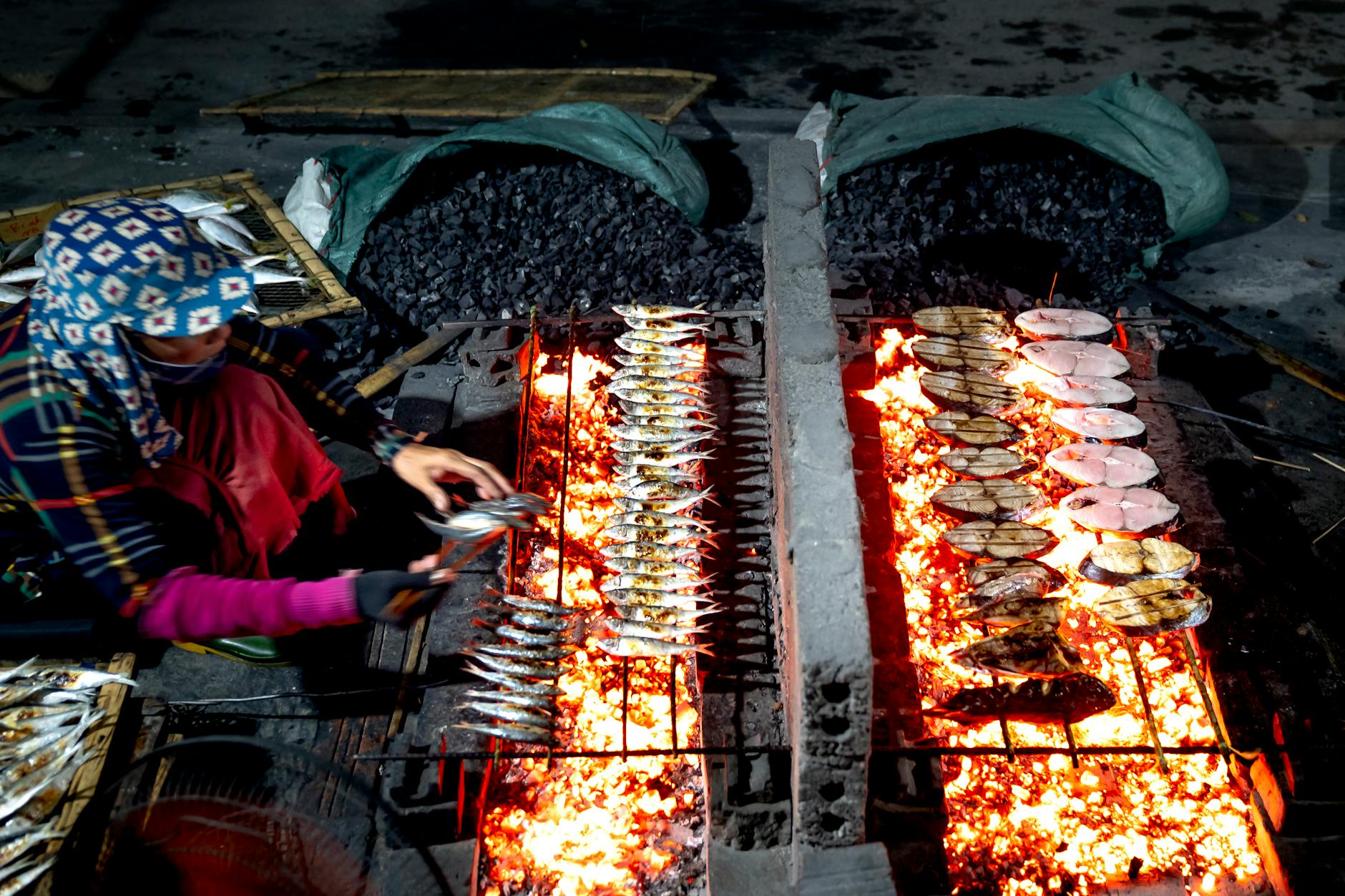
Top 10 Asian Street Food Markets: Ultimate Global Guide
Top 10 Asian Street Food Markets: A Global Guide
The sizzle of a hot wok, smoke from grilling meats, crowds jostling for the next bite—Asian street food markets are where culinary magic happens. These places aren’t just about eating; they’re where generations-old recipes meet hungry newcomers, where one bite can make you a regular. From first-timers to seasoned food hunters, these 10 markets will reshape how you think about eating out.
Southeast Asia’s Best Hawker Spots & Night Markets
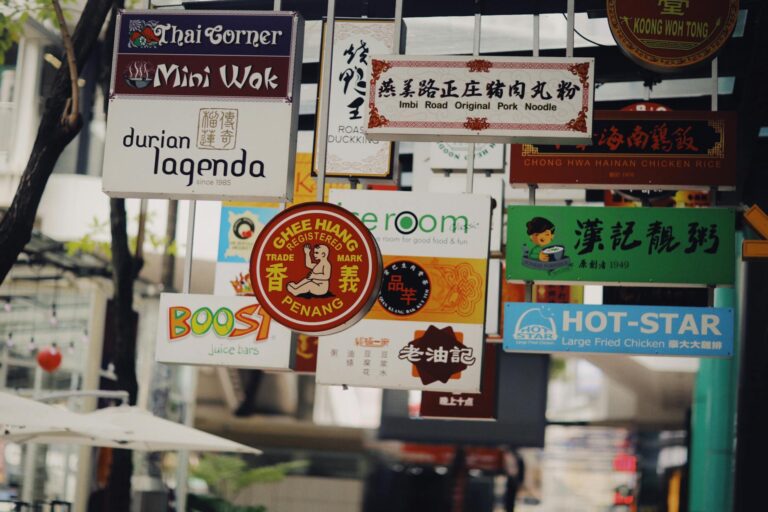
In Singapore, Maxwell Food Centre and Chinatown Complex aren’t just food courts—they’re living proof of why the city’s hawker culture earned UNESCO status. Tian Tian’s chicken rice draws lines for good reason, but don’t miss the laksa stalls or crispy carrot cake nearby.
Over in Penang’s Lebuh Chulia, Malaysian flavors take center stage under string lights. Char kway teow sizzles on cast-iron pans while satay smoke perfumes the air. The colonial buildings aren’t just pretty—they’ve watched this food scene evolve for generations.
Taipei’s Shilin Night Market isn’t Asia’s biggest by accident. Stinky tofu might grab headlines, but the real story is how experimental stalls coexist with century-old recipes. Come thirsty—this is where bubble tea was born.
Bangkok & Thailand’s Can’t-Miss Eats
Bangkok’s Yaowarat Road turns into a seafood wonderland after dark. Whole crabs hit the grill next to woks tossing noodles. The smells alone could guide you blindfolded.
Or Tor Kor Market proves Thai street food isn’t just about night markets. Daytime here means perfect mango sticky rice and northern sausages with enough garlic to ward off vampires. The produce displays are almost too pretty to eat. Almost.
Pro tip: Hit night markets early (6-8 PM) when stalls are fully stocked but lines are manageable. Small bills make life easier, and if you see a queue, join it—that’s where the good stuff is.
East Asia’s Street Food Standouts
Hong Kong’s Temple Street Night Market has been feeding night owls since the 70s. Bowls of curry fish balls share space with clay pot rice that crackles when the lid lifts. This is working-class Hong Kong on a plate.
At Seoul’s Myeongdong Market, the tteokbokki comes dangerously spicy, the hotteok pancakes ooze brown sugar, and the fried chicken puts chain restaurants to shame. Everything’s cooked to order because Koreans don’t do soggy.
Beijing’s Wangfujing Snack Street walks the line between tradition and tourism. Yes, you can try scorpion skewers, but the real gems are the jianbing crepes and candied hawthorns that locals actually eat.
Making the Most of Your Visit
Timing matters—night markets roar after sunset, while morning markets specialize in breakfast bites. Some vendors only appear seasonally, so ask around.
Don’t stress about food safety. Busy stalls mean fresh ingredients and hot oil that kills germs. Watch how they handle food and follow the crowd.
Go hungry but smart. Sample small things first, save room for specialties, and don’t be shy—locals love pointing visitors to their favorite stalls.
Why These Markets Stick With You
Asian street food markets aren’t just places to eat—they’re where culture gets passed down through steaming bowls and shared plastic stools. The best meals here cost less than a coffee back home but leave you fuller in every way. Whether it’s Singapore’s organized chaos or Bangkok’s beautiful mess, these markets prove great food doesn’t need fancy packaging. Just good ingredients, skilled hands, and the courage to try something new.