Indonesian Warung Culture: How Roadside Stalls Feed a Nation
Warungs are not romantic alternatives to restaurants—they are where Indonesia actually eats. On any street corner in Jakarta, Surabaya, or Bali, a warung operator will feed 200 people a day for less than the cost of a single cocktail at a hotel bar, and the food will be better.
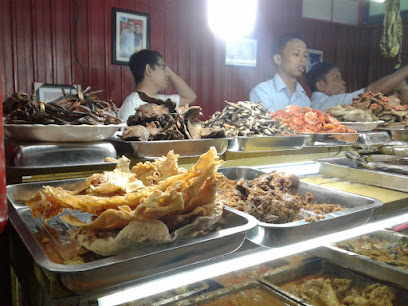
A warung is a small, informal food stall or shop, typically run by a single family, with minimal seating and a focused menu of 5-10 dishes. The operator cooks from dawn until the ingredients run out, usually by 2 p.m. There is no reservation system, no menu printed on paper, and no pretense. You point at what you want, sit on a plastic stool, and eat. The economics are brutal: margins are thin, rent is negotiable, and survival depends on speed, consistency, and reputation.
Warungs Define Indonesian Food Because They Define Indonesian Life
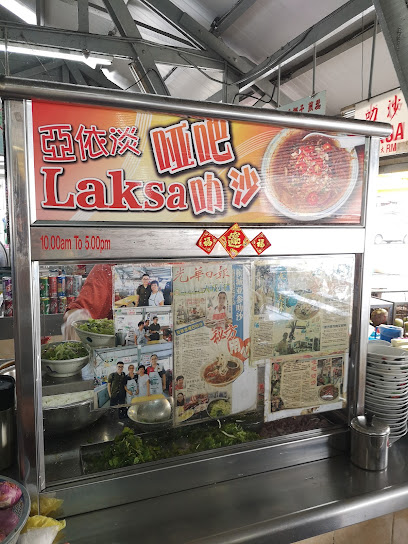
Indonesia’s food culture is not built on fine dining or chef-driven restaurants. It is built on warungs. A construction worker, a schoolteacher, a motorcycle taxi driver, a bank clerk—they all eat at warungs multiple times a week. The warung is where regional food traditions survive and evolve. A warung in Yogyakarta will serve gudeg (young jackfruit stew) exactly as it has for decades. A warung in Medan will specialize in laksa with a recipe passed from the owner’s grandmother. A warung in Bali will serve nasi campur (mixed rice) with the same proteins and sambals every single day.
The best warungs are distinguished by three things: ingredient quality (the owner sources from specific suppliers), consistency (the same dish tastes identical every day), and speed (orders arrive in under five minutes). A bad warung cuts corners on oil, uses day-old rice, or oversalts everything to mask poor technique. You can tell the difference immediately.
Where to Actually Eat: Specific Neighborhoods and Stalls Worth Your Time
In Jakarta, Jalan Jaksa in Central Jakarta hosts a row of warungs that cater to both locals and travelers. Warung Nasi Kuning specializes in turmeric rice with chicken and is open from 6 a.m. to 2 p.m. In Yogyakarta, the warungs surrounding Malioboro Street are tourist traps—instead, go to the residential neighborhoods like Sosrowijayan where locals eat. Order soto ayam (chicken soup) or gudeg from any stall with a line of motorcycles parked outside.
In Bali, skip the Seminyak tourist warungs entirely. In Ubud, Warung Bodag Maliah serves authentic Balinese food to locals, not visitors. In Surabaya, the street food market at Pasar Atom has warungs serving rawon (black beef soup) that are the standard against which all others are measured. The key: eat where the motorcycles are parked, not where the tourists are.
Practical detail—most warungs operate cash-only and close by 2 or 3 p.m. Breakfast at a warung is standard in Indonesia; arriving at 7 a.m. guarantees fresh ingredients and the full menu. Lunch crowds hit between 11:30 a.m. and 1 p.m. Go early or late to avoid the rush and get the owner’s attention.
The Honest Truth: Warungs Are Not Quaint, They Are Necessary
Western food media often romanticizes warungs as authentic or charming. They are neither. They are functional. A warung owner works 12-hour days for modest income because there is no other option. The plastic chairs are plastic because they are cheap and easy to clean. The open kitchen means smoke gets everywhere. The lack of refrigeration means ingredients must be bought fresh daily. This is not aesthetic choice—it is economic reality.
Understanding this changes how you eat at a warung. You are not participating in a cultural experience. You are eating the same meal that millions of Indonesians eat because it is affordable, fast, and good. That is the point. That is also why the food is so reliable—there is no room for experimentation or pretension.
Find a warung within walking distance of where you are staying, go back three times, and order the same dish each time. By the third visit, the owner will know you, and you will understand why warungs are the actual foundation of Indonesian food culture.