Tokyo
Tokyo Bangkok
 Seoul
Seoul Singapore
Bak Kut Teh: Malaysia’s Pork Rib Soup That Defines Street Food
A bowl of broth that feels like home, not a postcard
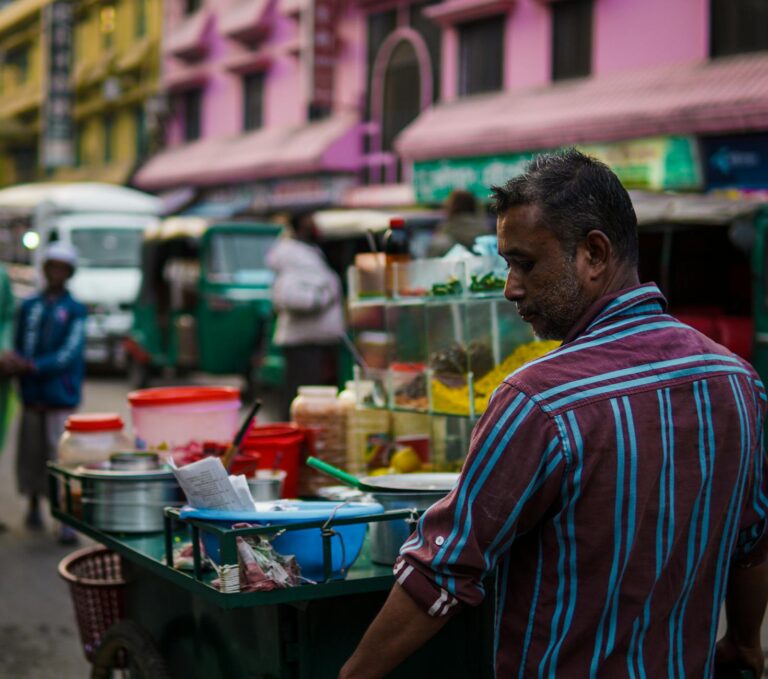
By 6 a.m. in Klang, just outside Kuala Lumpur, vendors are already scooping dark, aromatic broth into bowls. Bak kut teh—”pork bone tea” in Hokkien—comes piping hot, with ribs so tender they’ve given up after hours of cooking. No frills. No fancy plating. Just what locals grab before work, what families share on lazy Sundays, what tastes identical whether you’re at a plastic-table stall or a proper restaurant.
This is real Malaysian street food: straightforward, unpretentious, and impossible to replicate.
The broth steals the show—deep, herbal, no shortcuts
Bak kut teh isn’t your typical soup. The broth carries the weight. Pork ribs bubble for hours with star anise, cinnamon, garlic, and dried chilies until the liquid turns almost black and tastes faintly medicinal—in that good, comforting way. Some versions toss in goji berries or mushrooms. The meat falls off the bone. You’ll usually find preserved mustard greens and tofu puffs soaked through with flavor.
A solid bowl runs about 10 ringgit ($2 USD). The broth should taste like it’s been working all morning. Not too oily. Pork tender but still holding together. Bad versions? Thin, weirdly sweet, or suspiciously fresh. You’ll taste the lie instantly.
Two main styles: Klang’s (darker, spicier, the “original”) and Penang’s (lighter, cleaner, more herbal). Both are right. Both deserve a try. Locals will argue fiercely over which is superior—smile, nod, then eat whichever you prefer.
Where to go: Klang’s Jln Stesen, or follow the morning crowds
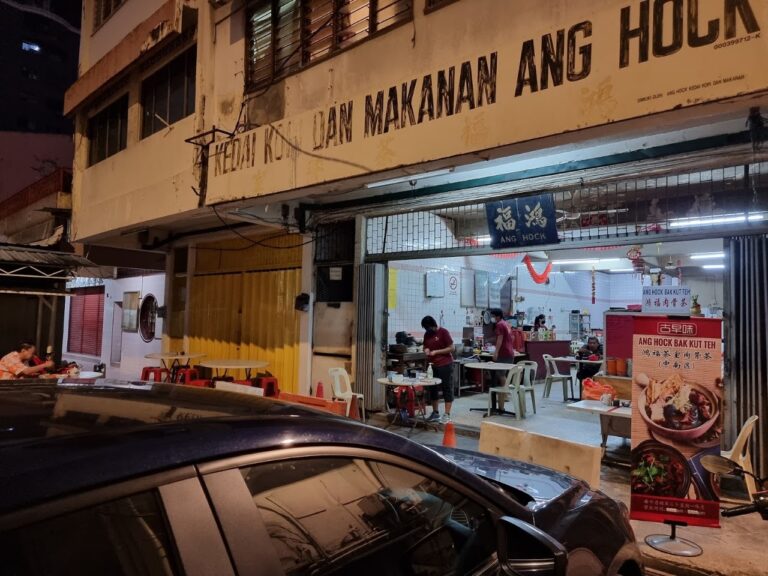
For the real deal, head to Klang. Jln Stesen (Station Road) packs at least five iconic stalls, all vying for the same regulars they’ve served for generations. Sin Hoi Kee is the big name, opening at 5:30 a.m. and wrapping up by mid-morning. Show up late, and you’ll wait. No English menu? Just point at what looks good.
In Kuala Lumpur, Restoran Bak Kut Teh Hua Sheng in Cheras does it right without the chaos. Penang folks swear by Joo Hooi at Penang Road Hawker Centre for the lighter style. Singapore stopover? Founder Bak Kut Teh in Outram Park feeds locals, not guidebook-toters.
Go for the large bowl (大碗). Get extra chili oil and preserved veggies on the side. Sip the broth straight from the spoon. Use the tiny fork to scrape meat off bones. Finish the greens. Drink tea—usually chrysanthemum or oolong, despite the name.
The unromantic truth: It’s fuel, not folklore
Bak kut teh exists because it’s cheap, hearty, and uses parts of the pig nobody else wanted. No ancient rituals here. It’s not sacred. It’s what you eat when it’s dawn, you’re starving, and your shift starts in 15 minutes. Chinese laborers in 19th-century Malaysia loved it because it was affordable, kept warm, and filled bellies.
Here’s the thing: don’t treat it like some mystical artifact. Treat it like breakfast that works. It’s lasted this long not because it’s “traditional”—but because it’s damn effective. Warm. Salty. Satisfying. Almost free.
The vendors aren’t cultural ambassadors. They’re just people making a living, one bowl at a time.
Find a stall that opens before sunrise. Order big. Eat it standing or perched on a wobbly stool. That’s how it’s done.