Korean BBQ vs Japanese Yakiniku: Which Grill Wins
Korean BBQ and Japanese yakiniku are not the same thing, and pretending they are will get you a mediocre meal. Both involve grilling meat at your table. Both are social, interactive, and designed for groups. But the philosophies are opposite, the cuts matter differently, and the execution separates a transcendent dinner from an expensive mistake.
Korean BBQ Prioritizes Flavor Before Cooking; Japanese Yakiniku Trusts the Meat Itself
Here’s the core difference: Korean BBQ marinates. Japanese yakiniku doesn’t. That single fact cascades into everything else.
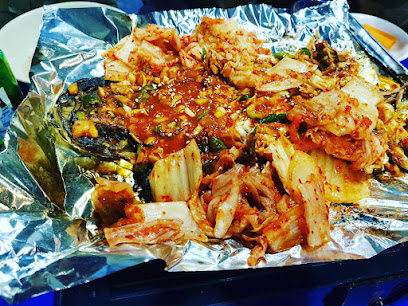
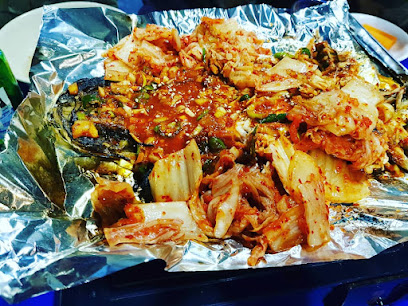
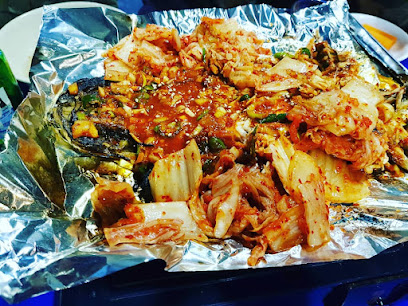
Korean BBQ—galbi, bulgogi, dak—arrives at your table already kissed with soy, sesame, pear, garlic, and sugar. The meat has been sitting in that marinade for hours, sometimes days. You’re grilling something that’s already complete, already seasoned deep into the muscle. The grill is finishing work, not starting it. A proper Korean BBQ restaurant will have their marinades locked down like family recipes. Bad Korean BBQ tastes like every other bad Korean BBQ: the marinade covers a multitude of sins, including mediocre meat.
Japanese yakiniku takes the opposite bet: the meat is the story. A premium yakiniku restaurant will source beef from specific regions—Wagyu from Hyogo, Omi beef from Shiga—and present it nearly naked. Maybe a whisper of salt. Maybe a brush of tare (a glaze made from soy, mirin, and sake), but applied after cooking, not before. The grill’s heat reveals what the meat already is. Mediocre yakiniku can’t hide. The meat either has marbling and depth or it doesn’t.
Translation: Korean BBQ rewards a good restaurant’s seasoning intelligence. Yakiniku rewards their sourcing budget.
Where to Actually Eat These, and What to Order
In Los Angeles, hit Kang Ho Dong Baekjeong for Korean BBQ that doesn’t apologize. Order the short ribs (galbi) and the brisket (chadolbaegi). The marinade on their galbi is sharp and clean—you taste the sesame and soy without sugar drowning everything. Wrap it in lettuce with a smear of ssamjang. This is the format: meat, lettuce, sauce, repeat. It’s not fancy. It works.
For yakiniku in LA, Gyu-Kaku is the accessible entry point, but if you want to understand why yakiniku matters, you need to go to Hinano in West Hollywood. Order the A5 wagyu ribeye. Watch it cook. It takes maybe ninety seconds per side. The fat renders. The edges char slightly. You dip it in ponzu or tare—your choice—and eat it before it cools. The difference between this and mediocre yakiniku is the difference between understanding why people spend money on beef and wondering why you paid so much for meat.
In London, Kintan does both formats competently. In Sydney, Gonpachi leans yakiniku; Arirang Korean House does Korean BBQ without pretense.
The Honest Truth: One Is Social Theater, One Is About Respect
Korean BBQ is a party. The table is loud. People are drinking soju. The grill is smoking. You’re cooking your own food, which means you’re in control, which means you’re having fun. It’s interactive in a way that feels like play. The marinades mean that even if you slightly overcook something, it’s still good. There’s built-in forgiveness.
Yakiniku is quieter. More deliberate. You’re supposed to be paying attention to the meat, to the precise moment it’s done. The chef might guide you—good yakiniku restaurants have staff who help you cook—but the expectation is that you’re focused. It’s interactive in a way that feels like education. Overcook a premium piece of wagyu and you’ve wasted money and meat. There’s no forgiveness.
Korean BBQ says: come with friends, eat a lot, get loud. Yakiniku says: come with people you like, eat slowly, taste what you’re eating.
Both are right. They’re just different kinds of right.
What You Should Do
Try Korean BBQ first if you want an easy, joyful meal. Try yakiniku if you want to understand beef. If you only have time for one, pick based on your mood, not on which is “better.” They’re not competing. They’re answering different questions about what grilled meat can be.