Tokyo
Tokyo Bangkok
 Seoul
Seoul Singapore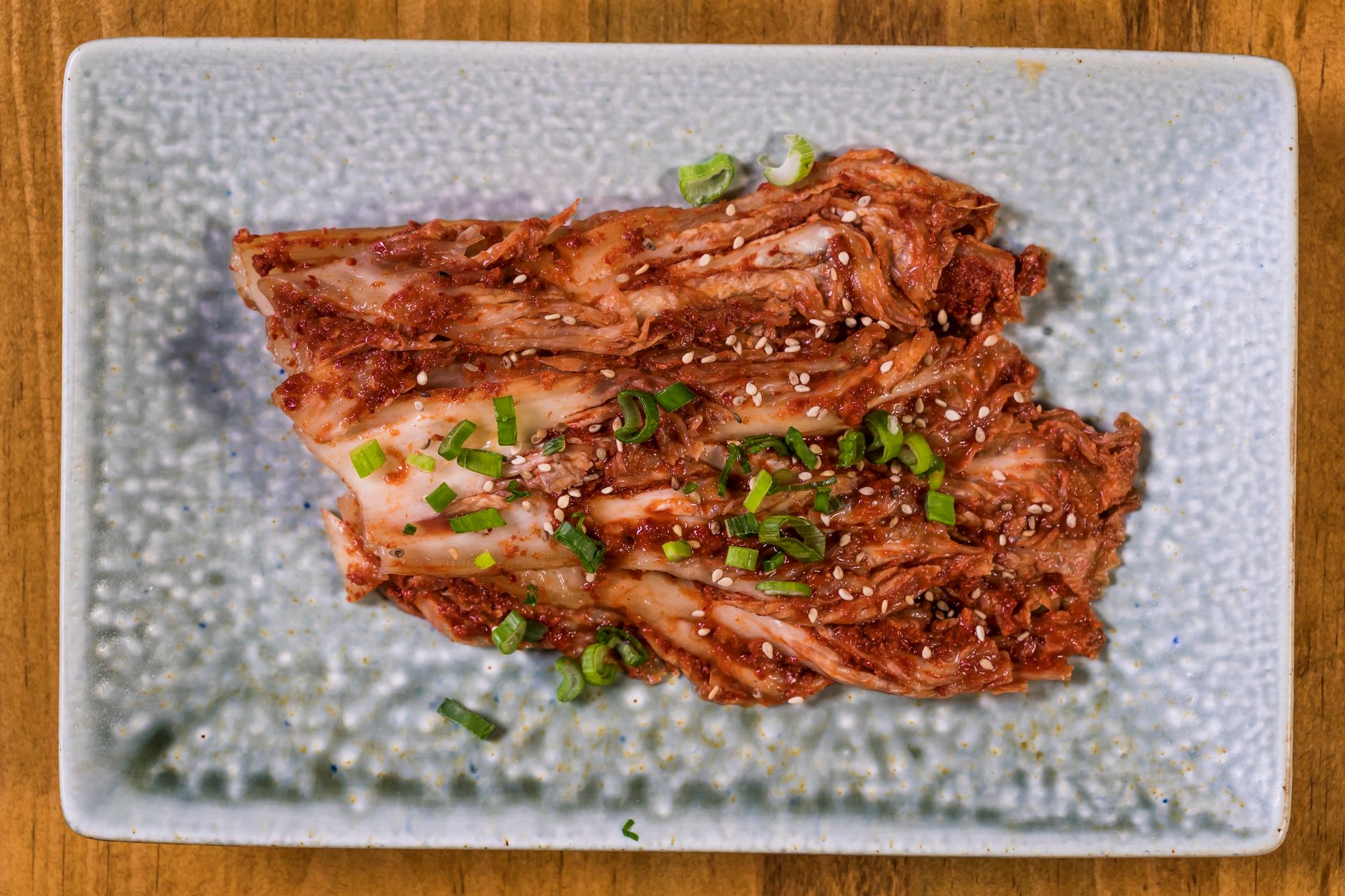
Kimchi Jjigae: History, Regional Styles & How to Eat Like a Korean
Kimchi jjigae isn’t some delicate, fussy dish that needs a chef’s explanation. It’s a stew born from necessity—Koreans using up old kimchi—and it beats most fancy restaurant meals. No exaggeration. Just truth.
Kimchi Jjigae Is Humble Food That Shames Fine Dining
Fermented cabbage, pork (or tofu, or nothing), broth, and fire. That’s the recipe. It started during Japan’s occupation of Korea, when meat was rare and kimchi kept people alive. What began as survival became a craving. That’s how you know it’s good: when food solves hunger, not just impresses.
A great bowl hits three notes: funky, spicy, balanced. The kimchi shouldn’t taste sharp like vinegar—it should hum with deep fermentation. The broth clings to your tongue but doesn’t drown it. Bad versions? One-note. Too hot, too sour, too greasy. You’ll taste the difference.
The best come from spots that make their own kimchi and don’t mess with tradition. This dish doesn’t need upgrades.
Seoul vs. Busan: The Kimchi Jjigae Divide
Seoul’s version leans sweeter, with anchovy depth—umami under the spice. Busan, near the sea, amps up fish sauce and tosses in squid or shrimp. Jeolla Province bulks it up with veggies. Gangwon skips pork entirely, letting kimchi lead.
Key stops: In Seoul, Tosokchon (by Gyeongbokgung Palace) does a killer version—clean broth, good pork. Busan’s Jagalchi Market? Eat it upstairs where they use the day’s catch. London’s Namu gets it right. Sydney’s Mr. Brog keeps it real.
Regions matter less than you’d think. Fresh kimchi and good broth win every time.
Eat It Like a Local: Drunk, Late, and Alone
Here’s what guides miss: Koreans don’t serve this at dinner parties. It’s 2 AM food. Drunk food. Solo Tuesday night food. Comfort, not performance.
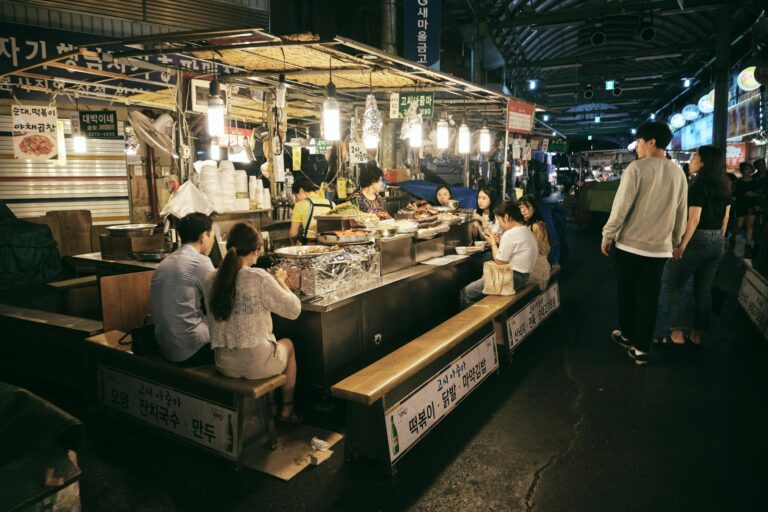
No one Instagrams it. No one dissects the technique. You order, eat fast, leave. The best places have plastic chairs and harsh lights. That’s not a downside—it’s the vibe.
Break rice into it. Crack an egg if they let you. Eat from the pot if sharing, your bowl if not. Sweat. Feel the heat linger. This isn’t about refinement.
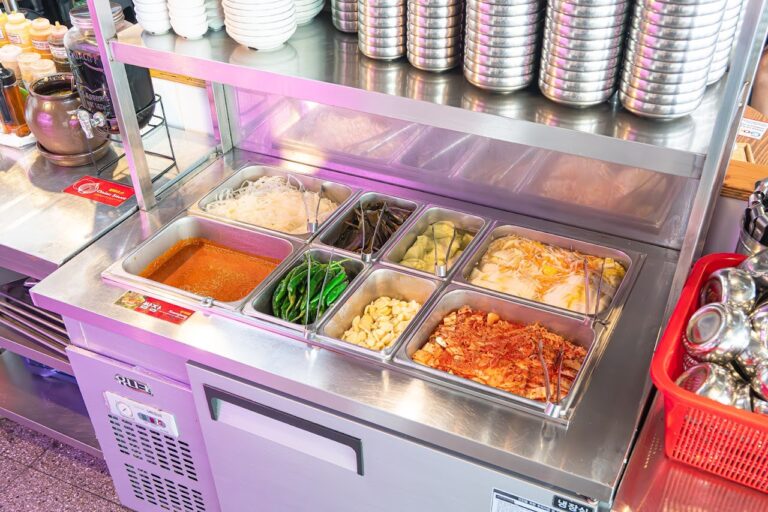
Every version comes with banchan—kimchi, radish, greens. They’re not garnish. Use them to cool your mouth between bites.
Just Order the Pork Version and Eat It Hot
Keep it simple. Walk into any Korean joint, ask for dwaeji kimchi jjigae (pork kimchi stew). If their kimchi’s homemade, you’re golden. Steam rising? Perfect. Add rice. Pork first, then broth. You’ll get why this dish outlives trends.