Tokyo
Tokyo Bangkok
 Seoul
Seoul Singapore
Mi Quang: Vietnam’s Best-Kept Noodle Secret

Down a tight alley in Hoi An, Linh starts scooping broth at dawn. No signs. No hype. By sunrise, her tiny plastic stools fill with regulars who swear by her mi quang—those golden noodles floating in rich, savory liquid. This isn’t some staged foodie experience. It’s just how Vietnam eats breakfast.
Mi quang gets overshadowed by Vietnam’s flashier exports. Pho dominates Instagram. Banh mi went global. But mi quang? Still waiting for its moment. Here’s why it shouldn’t.
Why Mi Quang Is the Noodle Dish You’ve Been Missing
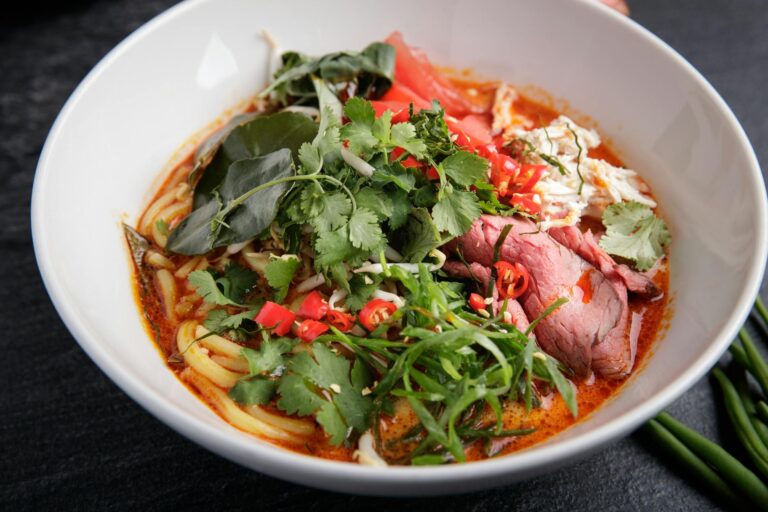
Born in Quang Nam province, mi quang plays by different rules than pho. The broth—usually pork or chicken—isn’t clear and light. It’s thick, almost gravy-like, packed with ground meat, shrimp, and golden annatto seeds. The noodles? Flat, chewy, straddling the line between rice and egg noodles.
A great bowl nails three things: broth that sticks to your ribs (not some watery afterthought), enough toppings to keep things interesting (peanuts, herbs, crispy shallots), and fresh proteins arranged on top, not buried. Shrimp, pork, maybe a quail egg—you add them as you go, controlling each bite.
Bad versions taste like salty dishwater. The good ones? Like someone actually cared.
Where to Actually Find It (and What to Order)
In Vietnam, mi quang fuels mornings at roadside stalls—especially in central regions. Hoi An’s market area hides the best spots. Da Nang? They eat it like toast. Skip fancy restaurants. Follow the locals.
Abroad, it’s trickier. London’s Pho Cafe sometimes has it. Sydney’s Marrickville spots might list it as a special. Stateside, check Vietnamese hubs in California or Texas—but call first. This isn’t always a menu staple.
Order it fully loaded: shrimp, pork, everything. Skip the “dry” version—that’s just noodles without the magic. And don’t tinker with the recipe. Trust the combo.
The Real Reason Pho Got Famous and Mi Quang Didn’t
Pho won the popularity contest for boring reasons. It’s easy to ship, simple to explain, and looks good on camera. Northern Vietnamese immigrants brought it west post-1975, and chains ran with it.
Mi quang refuses to play that game. The broth takes hours. Toppings demand freshness. It won’t survive takeout containers. You need to eat it right away, at some rickety table, while it’s still alive.
Too much work for fast-casual? Exactly. That’s the appeal.
What You Should Do Right Now
Hunt down a real Vietnamese joint—the kind where staff yell orders in Vietnamese. Call. Ask if they do mi quang. If yes, go early. If no, ask if they’ll make it. Good places will try. Then squeeze some lime, add chili to taste, and get why Quang Nam doesn’t need Michelin stars to know what’s good.