Tokyo
Tokyo Bangkok
 Seoul
Seoul Singapore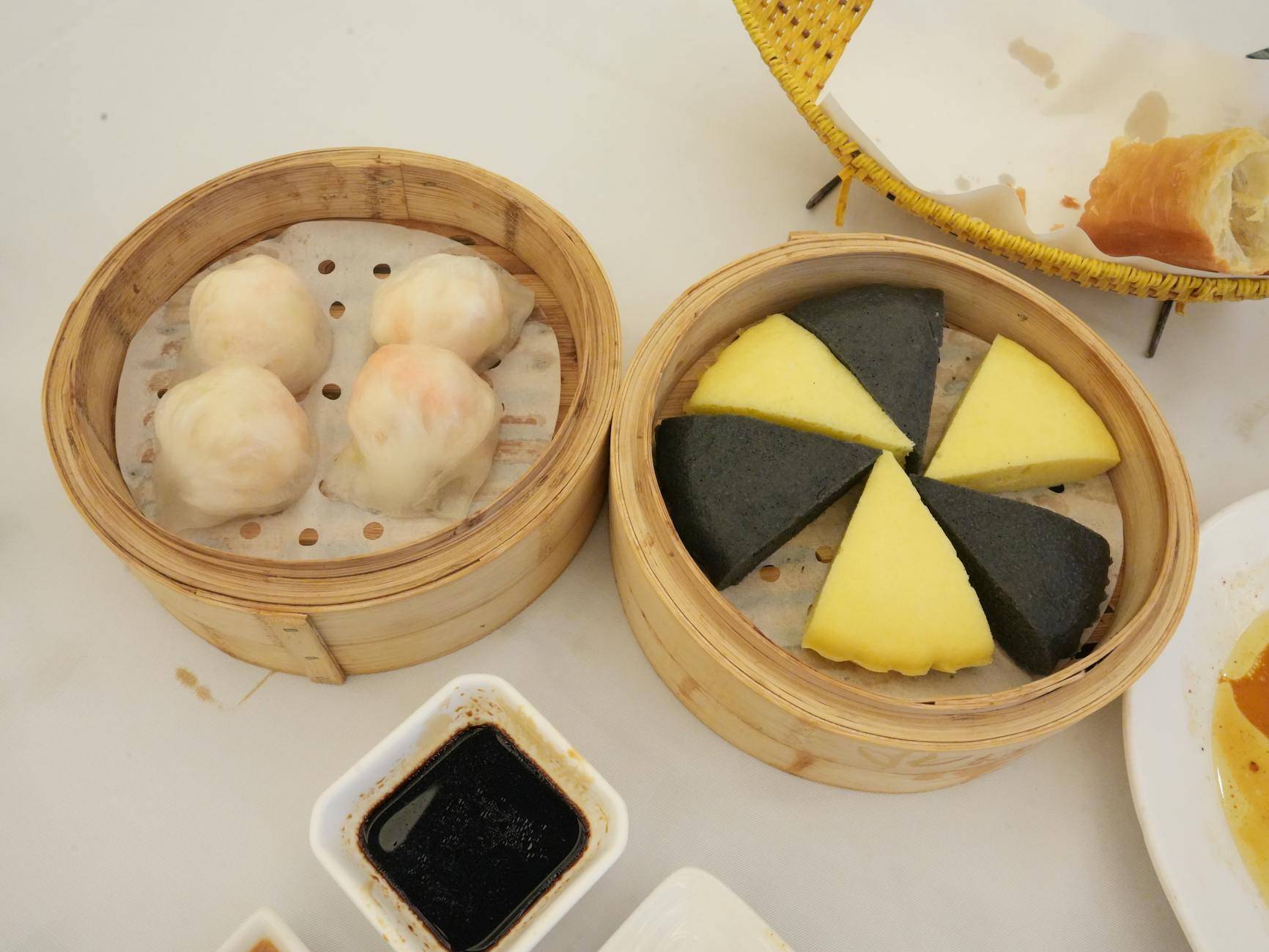
Hong Kong Food Guide: Dim Sum, Markets & Roast Meat

Hong Kong doesn’t just have a food scene—it’s a city obsessed. While other places treat dining as a pastime, here it’s serious business. Picture a woman in her seventies, Hermès scarf and all, debating the perfect har gow temperature with a dim sum cart attendant. That’s not rudeness. That’s Hong Kong.
Dim Sum Before 9 AM Isn’t Breakfast—It’s a Ritual
In Hong Kong, dim sum is more than food. It’s how mornings work. The real action happens early, when steam still billows from the carts and the crowd hasn’t arrived for Instagram shots. A proper spread—three dumpling varieties, tea, the unspoken bond with fellow diners—costs 40-80 HKD ($5-10). No frills. Just tradition.
Quality here is razor-thin but nonnegotiable. Perfect har gow? The wrapper disappears on your tongue, the shrimp bursts with brine. Bad ones taste like yesterday’s news. Siu mai should vanish before you register its weight. If it sits heavy, something’s wrong.
Lian Feng Lou or City Chinatown—Skip the Hotels
At Lian Feng Lou in Central, the queue forms by 6:15 AM for 6:30 opening. No frills, no pretension—just relentless carts and scalding tea. Get the siu mai, char siu bao, and chicken feet (trust us). The Peninsula does hotel dim sum. This is the real deal.
City Chinatown in Sham Shui Po is louder, faster, cheaper. Trolleys zip by—hesitate and you’re left behind. Their chive-shrimp dumplings? Worth the 8 AM rush. Latecomers wait.
Night Markets: Hong Kong Unfiltered
Temple Street Night Market isn’t pretty. It’s packed, smoky, loud, with grill smoke mixing with watch hawkers’ pitches. Exactly why it’s essential.
Ditch the seafood spots. Hit the stalls: charred squid (never soft), stinky tofu if you dare, proper fish balls (15-30 HKD). Two can eat for 150 HKD. Stall 47—no sign, just word-of-mouth—serves egg waffles drizzled with condensed milk. Life-changing.
Roast Meat Isn’t a Side—It’s the Star
Char siu, soy chicken, roasted duck? They’re destinations here. Yat Lok in Central holds a Michelin star but charges $8 a plate. Their pork crackles audibly; the meat falls apart defiantly. No tricks—just four decades of refusing to compromise.
Order the roast pork rice. Eat standing if you must. This is flavor without fuss.
The Truth No One Mentions
Hong Kong’s secret? Zero patience for bad food. Mediocre spots vanish fast. Even cheap eats shine under ruthless competition. Service won’t coddle you—it’s brisk, efficient, equal-opportunity indifferent.
Tomorrow at 7 AM, join the regulars at Lian Feng Lou. Tea, dumplings, decades of routine. That’s the city’s pulse.