Tokyo
Tokyo Bangkok
 Seoul
Seoul Singapore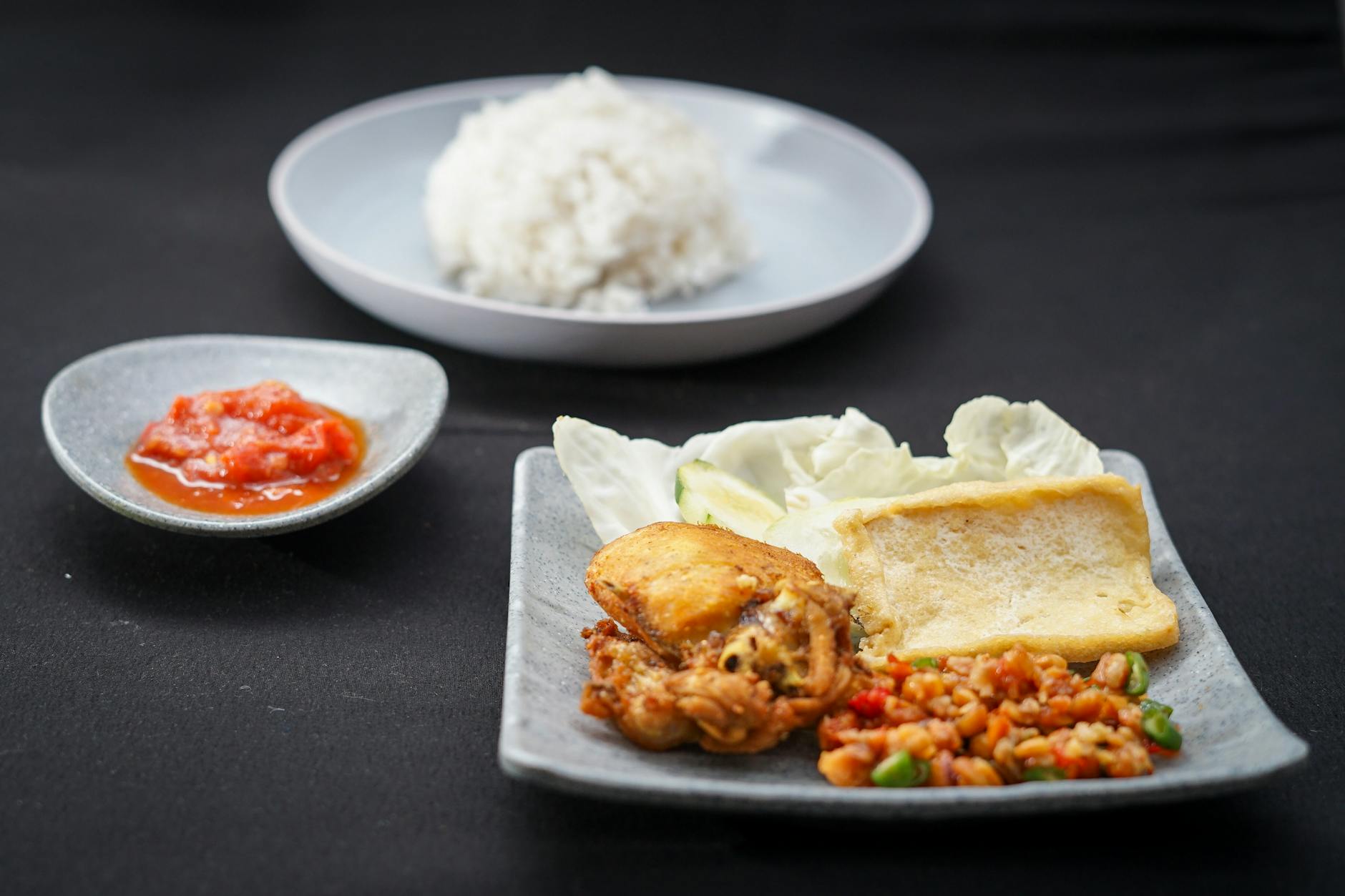
Indonesian Warung Culture: How Roadside Stalls Feed a Nation
Warungs are where Indonesia eats. Skip the malls and hotel restaurants—real meals happen at plastic tables under tin roofs, where one cook with a single burner feeds hundreds daily for less than a Manhattan latte.
This isn’t some hidden trend. Warungs are the backbone of Indonesian life. Construction crews, office workers, students, retirees—they all rely on these stalls for breakfast, lunch, and dinner. To get Indonesia, you need to get warungs.
Warungs Are Indonesia’s Food System, Not a Dining Experience
A warung is usually a family-run stall or cart slinging regional specialties or a tight rotation of rice, noodles, and proteins. The standouts? They focus. Think a nasi kuning vendor who’s tweaked their turmeric rice for 15 years, or a soto ayam master whose broth never varies. Prices range from 15,000 to 40,000 IDR (about $1–$2.50), so consistency isn’t optional—it’s survival.
Great warungs aren’t about fancy menus. They’re about discipline. Three rules: fresh daily ingredients, a cook who nails their few dishes, and regulars who swear by the place. The bad ones? Too many options, shaky quality, ingredients past their prime. The best keep it simple—maybe four dishes total.
No ads. No influencers. Warungs live or die by word of mouth. If it’s good, people come.
Find Warungs in Neighborhoods, Not Guidebooks
Tourists blow it by hunting warungs near attractions. Don’t. Hit Jakarta’s Menteng or Cikini at lunch—that’s where office crowds swarm the best stalls. Near Yogyakarta’s Gadjah Mada University, warungs dish out nasi kuning and bakso students have eaten for generations. Bandung’s Jalan Braga? Side streets pack regional specialties within steps of each other.
Spot the real deals: a lunchtime line, plastic stools, a cook working fast, not smiling. Order what’s already cooking—point at whatever the locals are eating. Ask them what’s good. Then eat that.
Must-tries: nasi kuning (turmeric rice with chicken), soto ayam (herby chicken soup), bakso (meatball soup), gado-gado (veggies with peanut sauce), lumpia goreng (fried spring rolls). These staples work because they’re cheap to make and hard to mess up.
Warungs Are Disappearing, and That’s a Real Problem
Nobody talks about this enough: warungs are struggling. Rising rents, chain competition, and younger Indonesians choosing other jobs mean fewer new stalls open. The survivors? Mostly run by folks in their 50s or 60s with no kids taking over. When they quit, their recipes—that exact soto ayam—vanish forever.
This isn’t nostalgia. It’s math. Warung owners scrape by. Their kids become accountants or engineers. The stall closes. The neighborhood loses its hub.
Here’s why warungs matter now: they still feed most Indonesians. They employ millions. They guard regional recipes. They’re a system built on trust and repetition, not flashy trends.
Find one near your hotel. Order nasi kuning or soto ayam. Go back twice. By visit three, you’ll learn more about Indonesia than any museum could show you.