Tokyo
Tokyo Bangkok
 Seoul
Seoul Singapore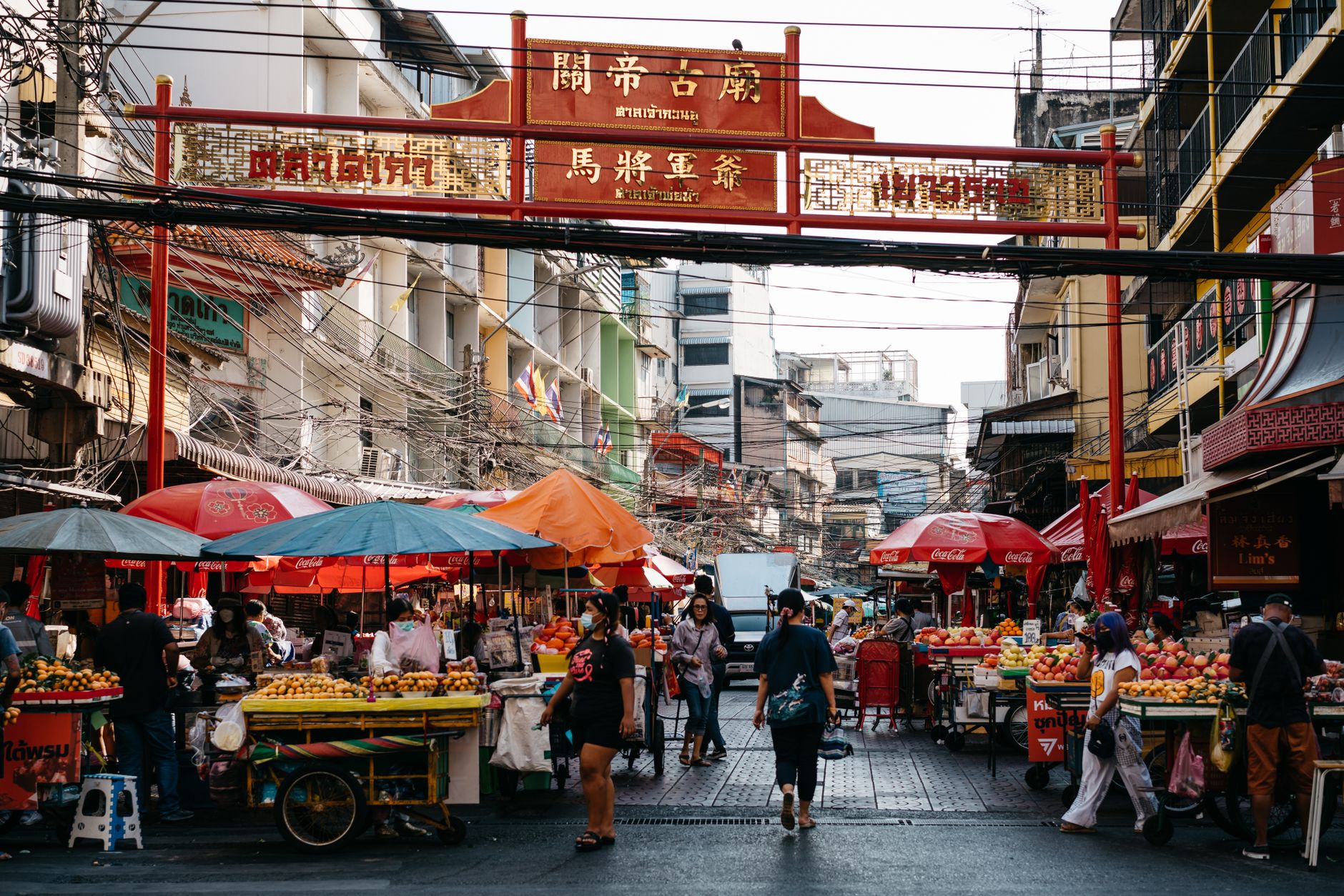
8 Asian Condiments to Transform Your Home Cooking
The first thing you notice at Bangkok’s Or Tor Kor Market at dawn is the smell—charred chilies, fermented soybeans, and something pungent you can’t quite place. A vendor in a worn apron ladles chili oil into jars while steam billows from her wok. That’s when it hits you: your home cooking lacks depth because you’re missing these eight essential condiments. Not fancy imports. Not pricey ingredients. Just the staples real Asian kitchens actually use.
The Heat Layers: Chili Crisp, Sambal, and Gochujang
Chili crisp isn’t just one product—it’s a whole spectrum. The supermarket stuff barely compares to what you’ll find at a Chiang Mai market stall, where vendors fry chilies until nearly black before adding crispy shallots and garlic. That’s the good stuff—texture and flavor, not just heat. Sambal? The Indonesian staple goes way beyond basic sambal oelek. Try sambal matah with its fresh lime kick or sambal terasi with funky shrimp paste. These aren’t just toppings—they transform dishes. Then there’s gochujang. This Korean fermented chili paste straddles the line between condiment and seasoning. Thick, complex, slightly sweet—it adds dimension to marinades, sandwich spreads, even soups. Skip the cheap red gloop—go for Maangchi’s or Haechandle.
The Umami Anchors: XO Sauce, Fish Sauce, and Soy Sauce
XO sauce is chili oil’s ambitious Hong Kong cousin—dried scallops, shrimp, chilies and garlic fried into something luxurious. A teaspoon elevates everything from rice bowls to avocado toast. Fish sauce scares people. Sure, it smells intense. But it’s why pho tastes like pho instead of bland broth. Use sparingly—Red Boat or Three Crabs brand makes all the difference. Soy sauce deserves more credit. Japanese versions lean sweet and nuanced. Chinese dark soy is richer, deeper. Korean soy splits the difference. Keep multiple types—they’re not interchangeable.
The Wildcards: Black Vinegar and Doubanjiang
Zhenjiang black vinegar will ruin you for other vinegars. Dark, smoky, with a subtle sweetness—it transformed soup dumplings for me in Shanghai. A splash works magic in stir-fries or dressings. Then there’s doubanjiang. This spicy bean paste is Sichuan’s secret weapon—fermented beans, chilies and salt create that signature numbing heat. Fry it with garlic and oil, and you’ve got the base for mapo tofu or chongqing chicken in minutes. These eight condiments won’t turn you into a pro chef overnight. But they’ll make your food taste like you know what you’re doing. Start with chili crisp and fish sauce. Build from there. Your kitchen will smell like the real deal.