Tokyo
Tokyo Bangkok
 Seoul
Seoul Singapore
Yakitori: Tokyo’s Skewer Grilling Culture Explained
Tokyo’s yakitori scene hums every night—salarymen and tourists squeeze into smoky alleys, lured by the scent of charred chicken. This isn’t just street food. Japan’s $8 billion yakitori industry packs centuries of craft into skewers, where every bite tells a story of survival, skill, and late-night camaraderie.
What Is Yakitori? More Than Meets the Eye
Forget basic chicken sticks. Yakitori is a masterclass in using every part of the bird, born from post-war Tokyo’s no-waste ethos. Think thigh meat, crispy skin, even cartilage—all threaded onto bamboo skewers and kissed by binchotan charcoal. That white-hot Wakayama coal? It’s the secret behind the clean, intense heat.
The magic’s in the variety. One menu might feature 20 cuts, each with its own personality. Negima pairs juicy thigh with sharp green onion. Tsukune—those tender meatballs—get playful with quail eggs or melted cheese. Then there’s reba (liver), an umami bomb that turns skeptics into believers.
What sets it apart? The tare glaze—soy and mirin reduced to sticky perfection—and the chef’s rhythm. Skewers spin like clockwork, crisping outside while staying juicy inside. No room for error.
Yurakucho Yakitori Alley: Where the Real Deal Lives
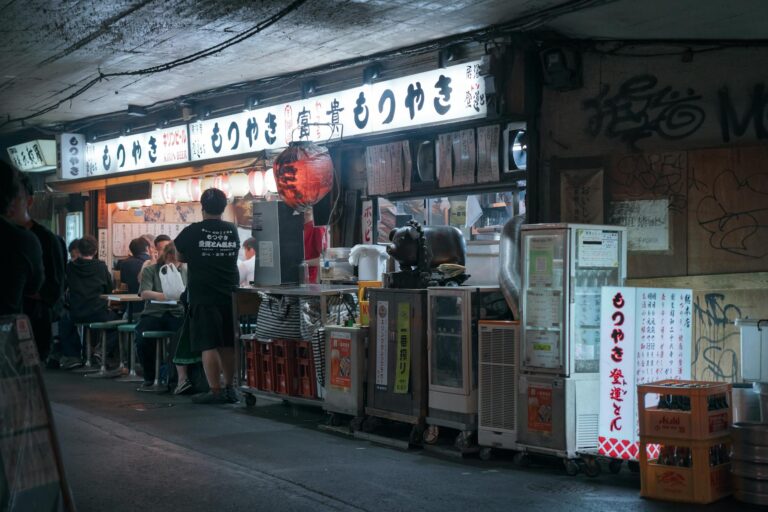
Under the JR railway tracks, Yurakucho’s yakitori alley feels frozen in time. Built from scrap in the 1950s, this cramped strip of 70+ stalls is Tokyo at its most alive. Strangers bond over skewers. Beer flows. The air smells like charcoal and possibility.
Places like Kushikatsu Daruma (open since 1964) still do things the old way. They’ll waitlist you for a 15-seat counter. The chicken? Heritage breeds like Nagoya Cochin, not factory-farmed stuff. That attention to detail changes everything.
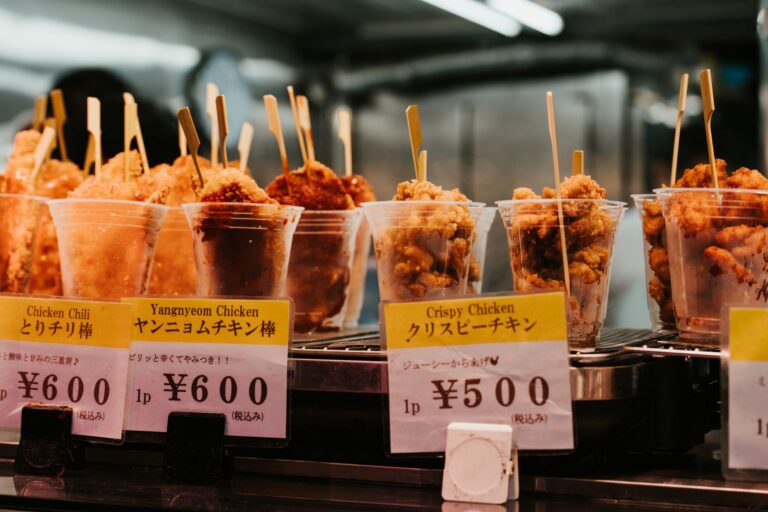
This is izakaya culture at its best—no pretenses. Office workers, artists, tourists all cram together, sharing plates and stories. Best part? Skewers cost $1-3. Democracy tastes good.
Yakitori’s Nuts and Bolts: Fire Meets Precision
Watch a master at work. Their grill has two zones—blazing hot for searing, gentler heat for cooking. They read the meat’s color, adjust skewer height, rotate with military timing. Heart gets 90 seconds. Thicker cuts need three minutes. One misstep ruins everything.
Home cooks can try this too. No binchotan? A cast-iron pan works. Just get good chicken, soak your skewers, and make proper tare (soy + mirin + sake + sugar, simmered 20 minutes). Patience matters more than gear.
Yakitori Today: Old Soul, New Tricks
From Melbourne to New York, chefs honor yakitori’s roots while tweaking the formula. Organic birds. Craft beer pairings. Even molecular tweaks on tare. But the core stays true—respect the ingredients, master the fire, build community.
Whether you’re hunting Tokyo’s best stalls or firing up a backyard grill, yakitori’s about more than food. It’s post-war grit meets culinary zen meets the joy of shared meals. Grab a skewer. Join the party.