Skip These Osaka Food ‘Classics’ — Here’s Where to Actually Eat
Eight visits taught me one thing: Osaka’s most famous food spots are tourist traps. Here’s what locals eat instead.
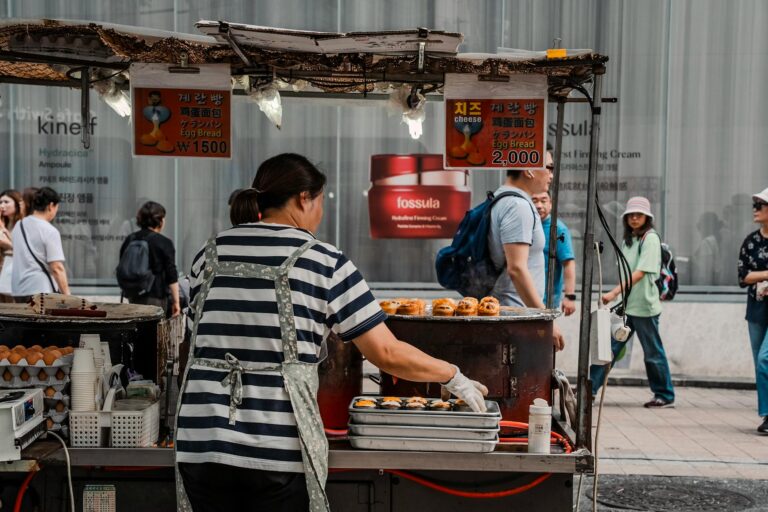
You’re about to spend money on Instagram-famous kimbap served by teenagers who don’t speak Korean. Here’s where locals actually eat instead.
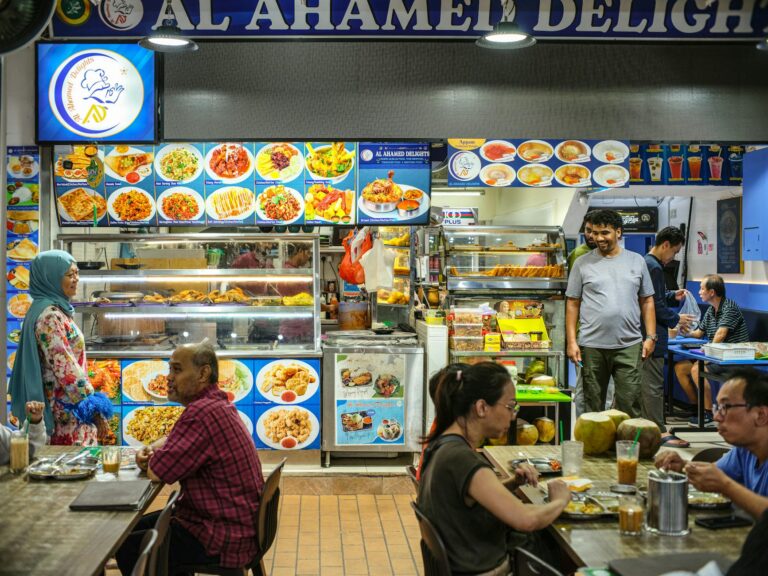
Stop paying $28 for chili crab at Marina Bay when the real thing costs $12 in Chinatown. Here’s where locals actually eat.
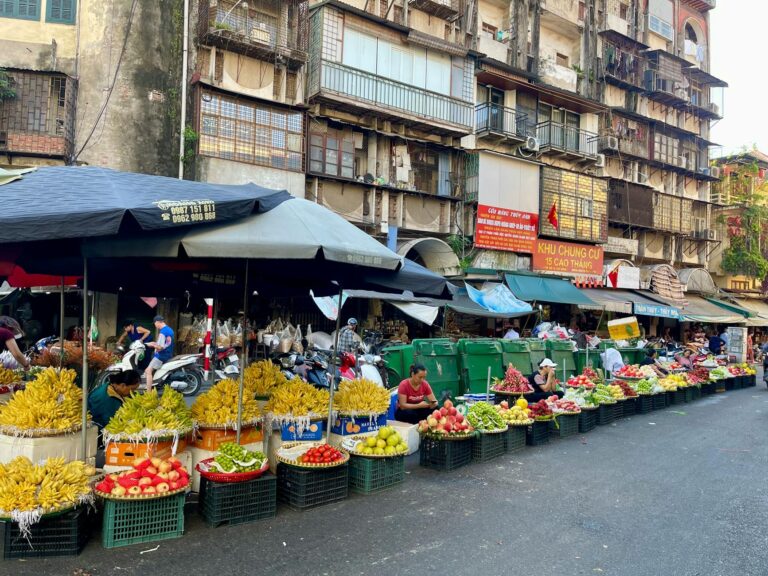
I’ve eaten through Hanoi eight times. Skip the lake views and English menus—here’s where locals actually eat and why tourist pho costs 600% more.
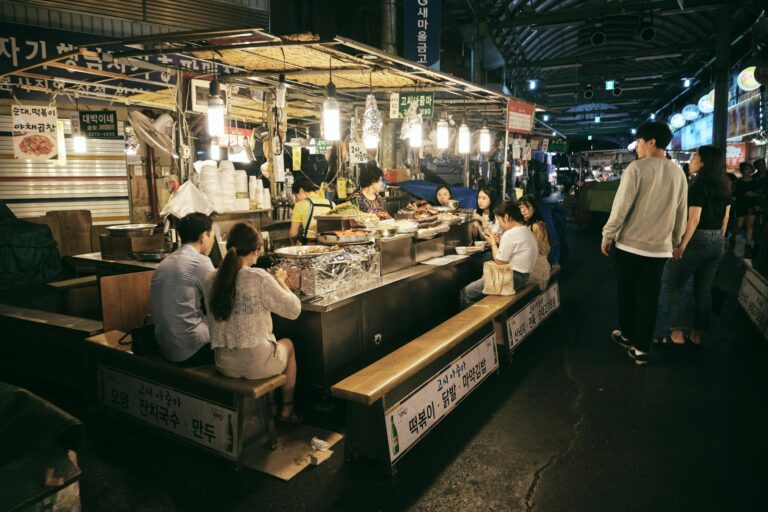
Seoul’s food scene rewards locals over tourists. Here’s what actually works based on real data—not algorithms.
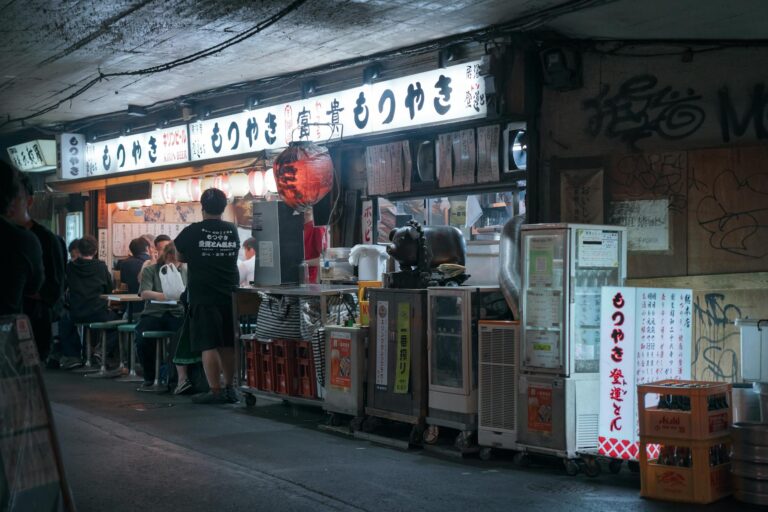
Tokyo’s food scene is simultaneously the world’s most reviewed and least understood. Here’s what actually works.
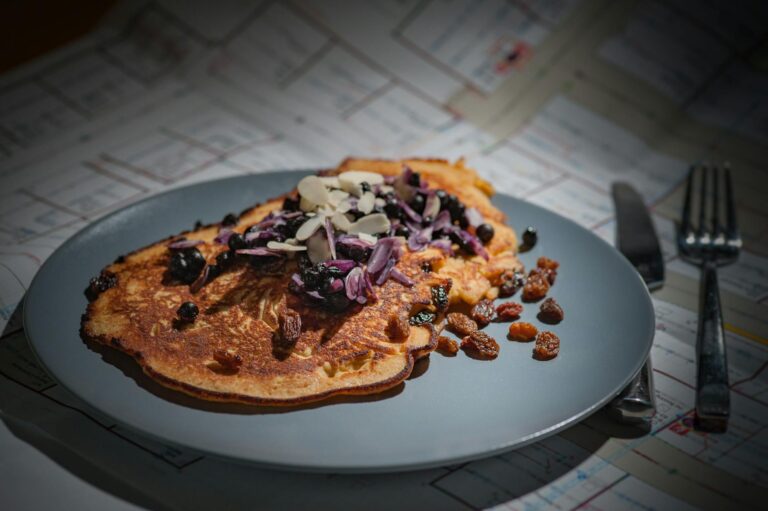
A savory Japanese pancake layered with cabbage, proteins, and a tangy-sweet sauce. Each region claims its own definitive version—and they’re all right.
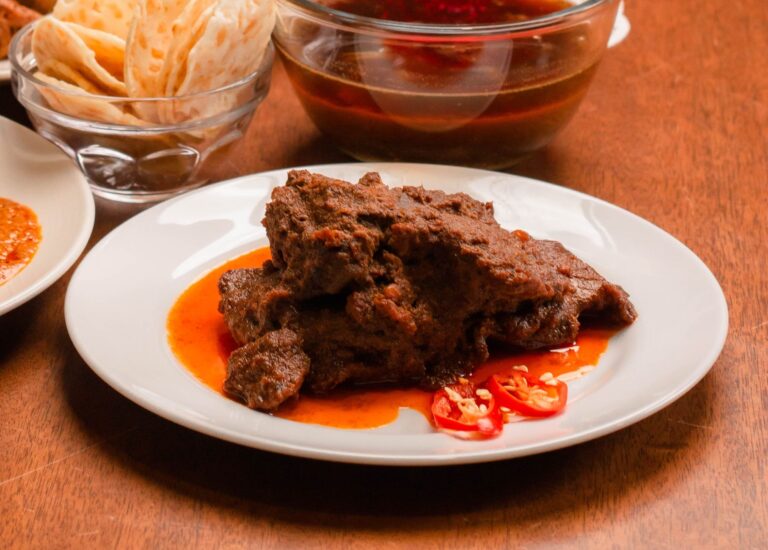
Rendang is a slow-cooked meat dish from West Sumatra where meat is braised in coconut milk and spice paste until it becomes tender and deeply caramelized.
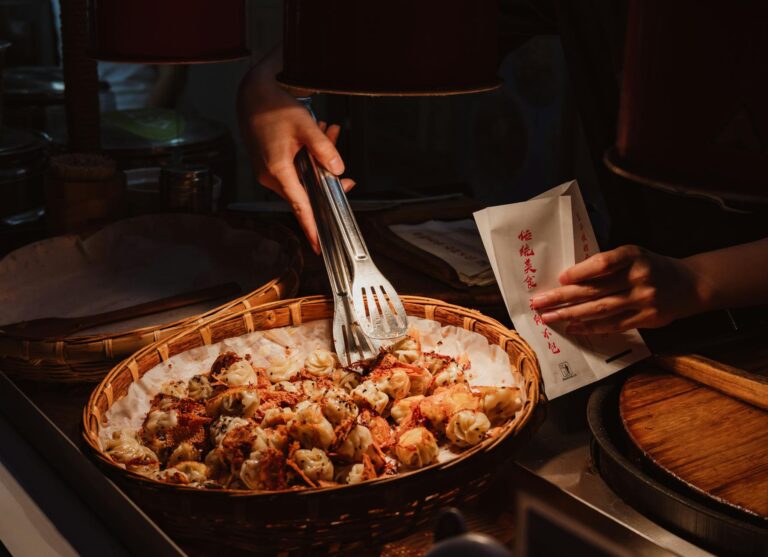
Japanese pan-fried dumplings with crispy golden bottoms and savory pork-cabbage filling, adapted from Chinese jiaozi after World War II and perfected into Japan’s own staple.