Seoul Street Food by Neighborhood: Where to Eat Like a Local
At 6 a.m. in Gwangjang Market, a woman in her seventies flips bindaetteok—mung bean pancakes—on a griddle she’s worked for thirty years. She doesn’t look up when you order. She knows the pancake is done when the edges turn translucent, when the sesame oil has done its work. This is Seoul street food: not Instagram, not performance. Just the thing you eat on your way somewhere else, made by someone who’s been making it since you were born.
Seoul’s street food scene isn’t centralized in one market or neighborhood. It’s scattered across the city in clusters, each with its own specialties and rhythms. Understanding which neighborhoods matter—and which dishes matter in each—is the difference between eating well and eating what’s convenient.
Myeongdong: The Tourist Trap That Actually Works (Sometimes)
Yes, Myeongdong is crowded. Yes, prices are inflated. But the density of vendors means competition, and competition means quality control. The street food here—tteokbokki, hotteok, gyeran mari—is standardized in a way that makes it reliable rather than boring. A good tteokbokki vendor here will have gochujang that’s been simmering since morning, fish cakes that are homemade, and rice cakes with the right chew. The problem vendors get undercut quickly.
Head to the alleys behind the main shopping street rather than the main drag itself. Look for the stall with the longest line of Korean teenagers, not tourists. Kimbap here is tighter, better executed. Hotteok—the sweet pancake with brown sugar and cinnamon inside—should be eaten immediately, while the filling is still molten. If it’s cooled, you’ve waited too long or chosen the wrong vendor.
Gwangjang Market: Where Seoul Actually Eats Breakfast
This is not a tourist destination. It’s where office workers grab bindaetteok and kimchi before 8 a.m., where students queue for nakji-bokkeum (stir-fried octopus) on their lunch break. The market operates on Seoul time, not visitor time. Arrive early or accept crowds.
The bindaetteok here comes with a small bowl of kimchi and radish pickle. Order it with makgeolli, the milky rice wine that’s served warm in winter, cold in summer. The texture of a proper bindaetteok is crisp outside, almost creamy inside—the mung bean paste should taste fresh, not stale. At stalls like those run by the older vendors near the main entrance, you’ll find this consistency.
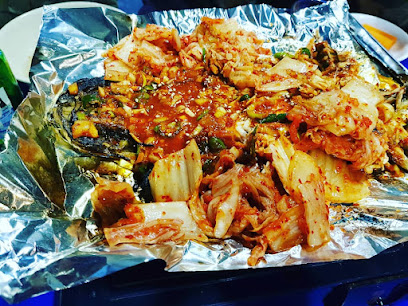
Nakji-bokkeum is octopus tentacles cut into bite-sized pieces, stir-fried with gochugaru (red chili flakes), garlic, and sesame. It should have char, should be chewy without being rubbery. The best vendors here cook to order, not from a warming tray.
Hongdae: Where Street Food Meets Design Culture
Hongdae is younger, more experimental. You’ll find the traditional vendors here—tteokbokki, gyeran mari, corn cheese—but also newer iterations. Vendors are willing to take risks, to add ingredients, to play. This is where you’ll find fusion tteokbokki with mozzarella, or hotteok with Nutella (which is fine, if that’s what you want).
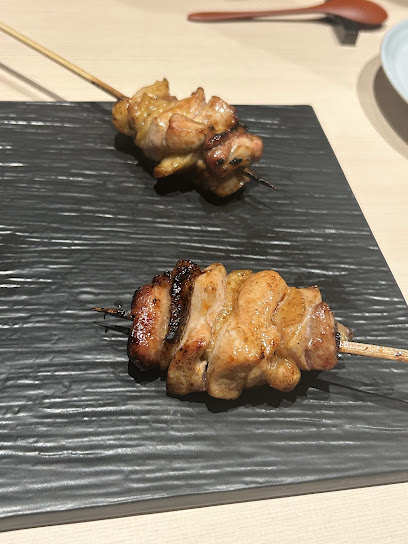
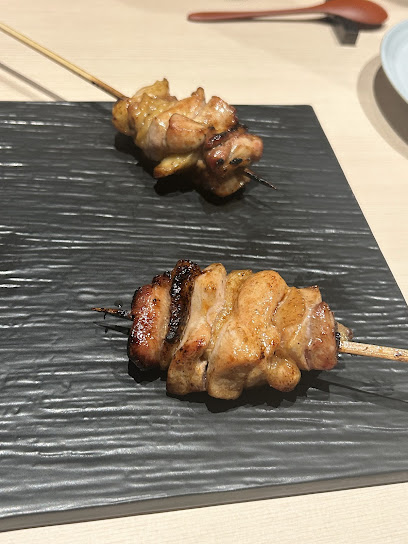
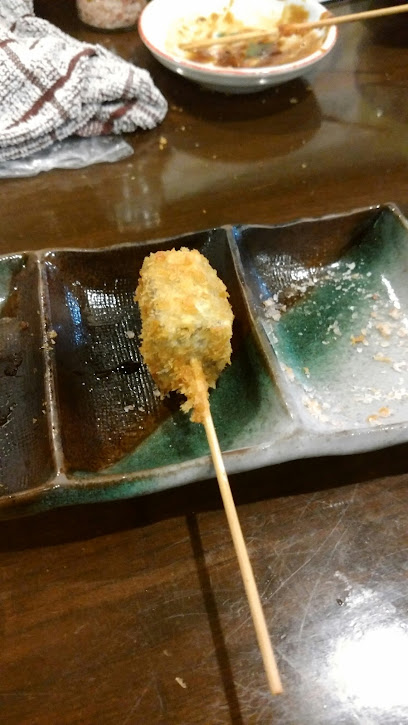
But the real food in Hongdae is the Korean-style fried chicken skewers and the tornado potatoes—potatoes cut in a spiral, skewered, and deep-fried. Neither is traditional. Both are exactly what Seoul street food has always been: responsive to what people want right now.
Gangnam: The Neighborhood That Doesn’t Need a Guide
Street food in Gangnam is expensive and self-conscious. Vendors here are aware they’re being watched, being photographed. The food is fine—it’s technically correct—but it’s lost something in translation. If you’re in Gangnam, eat at a restaurant. The street food here is for people who want the experience more than the food.
The Thing No One Tells You: Seasonality Matters More Than Location
Seoul street food vendors aren’t consistent year-round. In winter, hotteok and tteokbokki dominate because people want heat. In summer, you’ll see more bingsu (shaved ice), more cold noodles. A vendor who makes exceptional tteokbokki in February might have mediocre versions by June, not because they’ve lost skill but because they’re tired, because the heat affects the sauce, because fewer people are buying.
The best strategy isn’t to find the best vendor. It’s to understand what’s in season, what the weather demands, and to eat accordingly.
Start in Gwangjang Market at 7 a.m. Order bindaetteok from a vendor with a line. Eat standing up, with kimchi. This is how Seoul eats when no one’s watching.