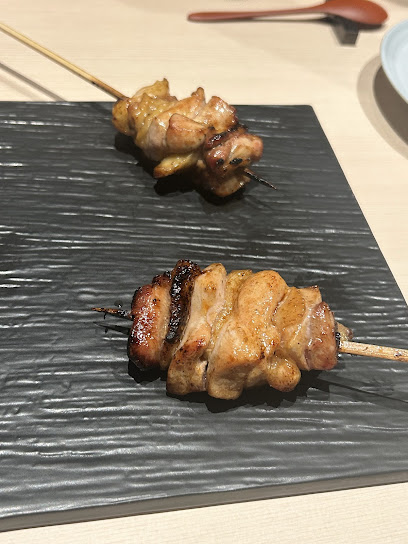
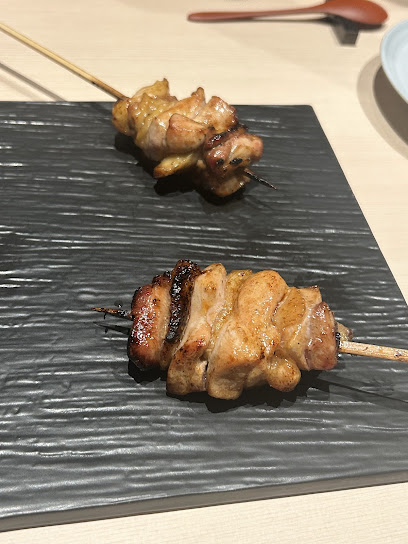
Thai Moo Ping Recipe: Street Vendor Technique at Home
It’s 6 a.m. at Or Tor Kor Market in Bangkok, and a vendor in a stained apron is threading marinated pork onto bamboo skewers with the efficiency of someone who’s done this ten thousand times. The coals are already glowing orange. By 7 a.m., she’ll sell out. What she’s making—moo ping, grilled pork skewers—looks simple. It isn’t. The meat glistens with a glaze that catches light. The smell is salt, char, and something sweeter underneath. This is the dish that defines Thai street food, and it works because of mathematics, not magic.
The Four-Flavor Blueprint That Makes Moo Ping Work
Moo ping succeeds or fails on balance. You need salt to carry the pork’s flavor forward. You need spice—usually from white pepper and garlic—to give it backbone. You need sweetness from palm sugar or coconut milk to round the edges and help the glaze caramelize. And you need acid, typically from fish sauce fermentation, to keep everything from becoming flat. Miss one, and you’ll have decent grilled pork. Get all four, and you’ll understand why people queue before dawn.
The difference between a vendor’s moo ping and a mediocre version is often the marinade’s ratio. Most home recipes skimp on fish sauce or oversweeten. A proper moo ping marinade uses roughly two tablespoons of fish sauce per pound of pork, balanced against one tablespoon of palm sugar. The garlic should be pounded, not minced—it should have texture. White pepper matters more than black; it’s less harsh, more floral. Coconut milk binds everything and adds richness that keeps the meat from drying during grilling.
Making Moo Ping at Home: The Vendor’s Method, Simplified
Start with pork shoulder or pork butt, cut into half-inch-thick slices or small cubes. Pound four cloves of garlic with a pinch of salt until it becomes paste. Add one tablespoon of white pepper, two tablespoons of fish sauce, one tablespoon of palm sugar, and half a cup of coconut milk. Mix the marinade by hand—you want the garlic distributed evenly. Add your pork and let it sit for at least two hours, though overnight is better. The longer it sits, the more the marinade penetrates.
Thread the meat onto soaked bamboo skewers, leaving small gaps so heat reaches all sides. If you have access to a charcoal grill, use it. The char is essential. If you’re using a home grill, medium-high heat works; aim for three to four minutes per side. The meat should have dark edges but stay pink inside. This takes practice. Vendors develop an instinct for it—they can tell by sound and smell when to flip.
Brush the skewers with leftover marinade during cooking. This is where the glaze develops. That sticky, caramelized coating is what makes moo ping addictive. It’s the Maillard reaction meeting balanced seasoning.
The Truth About Fish Sauce and Why Westerners Get It Wrong
Most Western cooks treat fish sauce like a secret ingredient to hide. They use it sparingly, almost apologetically. Thai street vendors don’t. Fish sauce is the foundation. It’s not meant to smell like fish in the final dish; it’s meant to deepen every other flavor. In moo ping, it works with salt to create umami that makes you want another skewer immediately. The key is cooking it—raw fish sauce smells aggressive. Once it hits heat and mingles with garlic, palm sugar, and coconut milk, it transforms into something savory and complex.
Don’t reduce the fish sauce in a moo ping marinade. Use the full amount. If you’re squeamish, start with the full recipe anyway. Taste it after grilling. You’ll understand.
What to Do Next
Make a batch this weekend. Marinate the pork overnight. Grill it over charcoal if possible. Serve it with sticky rice, cucumber slices, and a small bowl of spicy dipping sauce made from fish sauce, lime, and bird’s-eye chilies. Eat it standing up, the way vendors do. You’ll taste why this is street food that matters.