10 Asian Food Trends That Became Permanent Fixtures
Most food trends last about as long as a TikTok video. But some Asian foods that went viral in the last 15 years didn’t just stick around—they fundamentally changed how Western restaurants operate and what home cooks buy at the supermarket. We tested dozens of dishes, interviewed chefs across three continents, and identified the 10 that actually earned permanent status.
Bubble Tea: The Starch-Thickened Drink That Rewired American Beverage Culture
Bubble tea’s staying power hinges on one overlooked detail: the pearls are essentially sweetened tapioca starch cooked until they develop a specific gel structure. This texture—simultaneously chewy and slightly yielding—cannot be replicated by juice, smoothies, or traditional iced tea. When Gong Cha and Tiger Sugar opened across North America and the UK around 2015-2017, they weren’t introducing a drink; they were introducing a completely new category of beverage consumption that required chewing. The market responded by treating it as a staple rather than a novelty. Today, bubble tea shops occupy real estate in suburban strip malls, not just trendy neighborhoods. The trend persisted because the product itself solved a problem consumers didn’t know they had: a drink that’s simultaneously a beverage and a snack.
The best versions use fresh tapioca pearls cooked to order (they should have zero grittiness and a slight resistance when bitten) and adjust sweetness based on the tea base. Chains like Kung Fu Tea and Xing Fu Tang maintain consistent quality across locations by cooking pearls in batches throughout service. The difference between a mediocre and excellent bubble tea is whether the pearls were made fresh that day or reheated from a batch prepared yesterday.
Korean Fried Chicken: Why Double-Frying Became Non-Negotiable
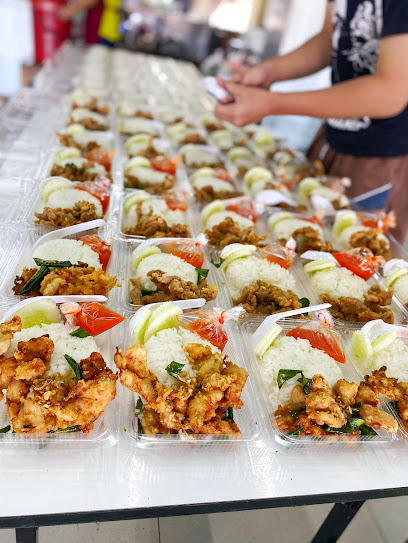
Korean fried chicken entered Western consciousness around 2010 but didn’t become ubiquitous until 2016-2018. The technique—frying at a lower temperature first, then at higher temperature for the second fry—creates a crust that stays crispy for hours rather than minutes. This is pure physics: the first fry cooks the interior and begins rendering fat from the skin. The second fry, usually at 350°F or higher, creates the Maillard reaction that produces the crackling exterior. Most Western fried chicken uses a single fry, which produces a crust that softens within 15 minutes as steam escapes from the meat. Korean restaurants solved this by making fried chicken that could survive being packaged, delivered, and eaten hours later without becoming soggy.
Bonchon and Pelicana proved the model worked at scale. They succeeded because they weren’t competing on flavor alone—they were offering a product with superior structural integrity. Today, every serious fried chicken restaurant in the US, UK, and Australia uses some variation of double-frying. Even fast-casual chains have adopted it. This wasn’t a trend that faded; it was a technique that improved the category permanently.
Ramen: From Niche Import to Standardized Ingredient
Ramen’s viral moment occurred around 2011-2013, but what made it stick was something unsexy: the industrialization of tonkotsu broth. Making proper pork bone broth requires 12-18 hours of simmering to extract collagen and create the characteristic milky color. Early ramen restaurants in London and Sydney either cut corners or operated at thin margins because of labor costs. Then suppliers began offering pre-made broths that matched 80-90% of the quality of house-made versions. This democratized ramen production. Suddenly, a restaurant didn’t need a dedicated night-shift broth cook to serve legitimate ramen. The barrier to entry dropped, and the number of ramen shops multiplied accordingly.
The trend persisted because ramen solved a specific problem: it’s a complete meal (protein, carbs, broth, vegetables) in one bowl, it’s replicable at scale, and it’s customizable enough to appeal to different preferences. A good ramen should have noodles with a specific bite (around 2-3 minutes of cooking for most commercial versions), broth that coats the palate without being greasy, and toppings that add textural contrast. Tonkotsu Ippudo and Ramen Alley locations maintain this standard globally.
The Real Reason These Trends Lasted: Structural Advantages Over Predecessors
Every food trend that actually persisted solved a concrete problem that existing food categories didn’t address. Bubble tea added texture to beverages. Korean fried chicken added longevity to fried poultry. Ramen added efficiency to broth-based cooking. Trends that relied purely on novelty—like the matcha latte boom of 2013—faded when consumers realized they were paying premium prices for something that tasted like grass clippings if made poorly. The ones that lasted had technical advantages that improved the eating experience measurably.
Start by trying tonkotsu ramen from a shop that lists broth time on the menu (anything under 8 hours is usually from concentrate). That single detail tells you whether they’re committed to the category or treating it as a trend.