Tokyo
Tokyo Bangkok
 Seoul
Seoul Singapore
Thai Food Taking Over TikTok: 15.7B Views and Counting
Thai Food Is Taking Over TikTok—And The Numbers Speak for Themselves
Fifteen point seven billion views. That’s how many times #thaifood has been watched on TikTok. For context, that’s more people than exist on the planet—twice over. By 2025, Thai food isn’t just popular; it’s reshaping how the world cooks, eats, and thinks about food.
This isn’t some quiet trend. It’s a full-blown cultural moment. Massive creators, obsessed fans, and videos that cut through the noise are driving it. A quick pad thai tutorial? A brutal spice challenge? Either way, TikTok’s now the go-to spot for Thai food.
The People Behind the Thai Food Craze
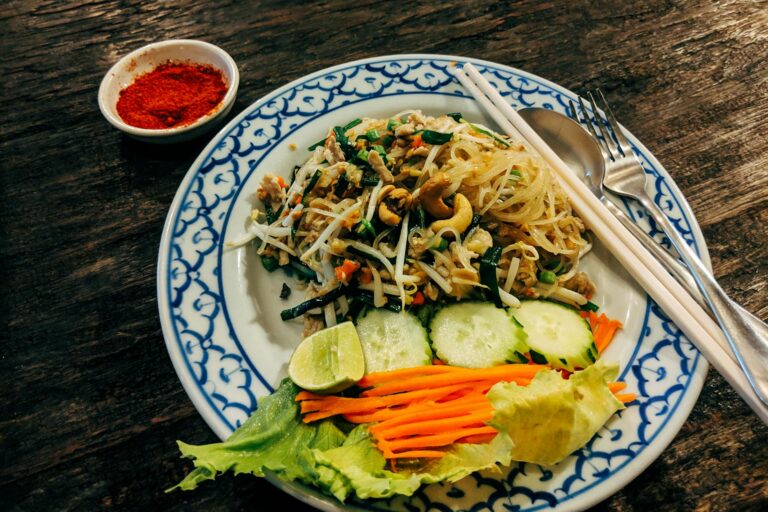
It all comes down to creators who get both cooking and TikTok’s vibe. Take @Brendan Pang. His pad thai video—10 million views, 384K likes—works because it’s fast, clear, and makes you hungry. No fluff, just good food.
Then there’s @dimsimlim. With 2.3 million followers, they’ve turned Thai food into their thing. A pad kra pao stir-fry hit 8.4 million views. Their trick? Mixing cooking skills with stories, like training Muay Thai while eating the dish daily. It’s not just recipes—it’s a window into Thai life.
Others go big on spice. @Mark Wiens’ “world’s spiciest Thai food” video? 6.6 million views. @Emily Srichala nails Bangkok street food, hitting 4.7 million views. Even non-food creators like @The Food Guy (12.3M followers) jump in, pulling 2.6 million views on Thai dishes.
What Works on Thai Food TikTok
Three types of videos crush it: quick recipes, restaurant hunts, and spice tests. Recipes win on sheer numbers. @Brendan Pang’s pad thai and @Sophie’s pad see ew (4.7M views) prove people want to cook this at home. Keep it under 90 seconds, show the steps, and you’re golden.
Restaurant videos tap local cravings. @Jack’s Dining Room’s NYC Thai takeout guide hit 2 million views. Mukbangs like @anali’s (2.1M views) or hauls like @McKenna Marie’s (1.7M views) work too—sometimes you just want to watch someone eat.
Spice challenges? Pure entertainment. @The Food Guy and @Mark Wiens prove pain sells. Viewers love the reactions.
What Viral Videos Say About Real Thai Food Trends
The top dishes—pad thai, pad kra pao, som tam—aren’t random. They’re Thai classics, which means viewers want the real deal, not watered-down versions. And all that spice talk? People respect Thai food’s heat, not just tolerate it.
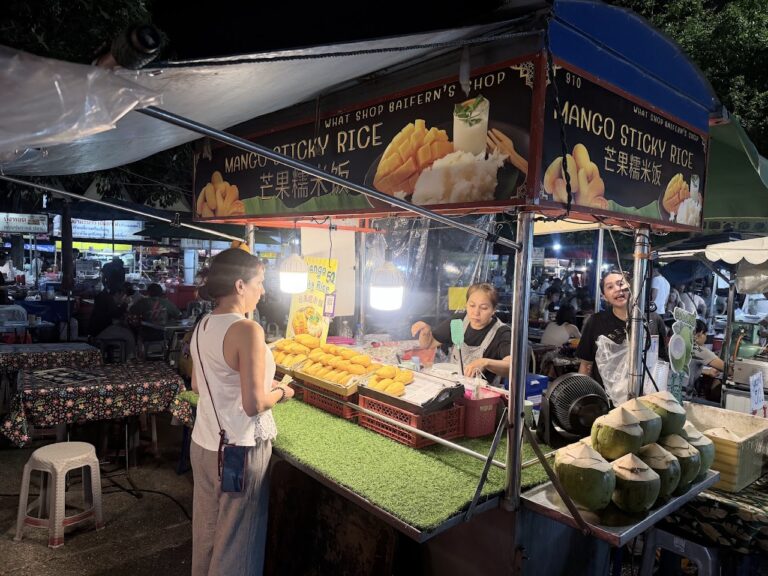
Bangkok street food clips, especially @Emily Srichala’s, blow up because travel and food go hand in hand. TikTok’s become the new guidebook—no flights needed.
Why TikTok Beats Old-School Food Guides
Forget Yelp. Creators like @Emily Srichala drop exact locations, Thai/English dish names, and real vendor footage. Half a million likes on a street food video? That’s trust you can’t fake.
Planning a Thailand trip? Search #thaifood, sort by views, and you’ve got millions of people’s picks—not some ad.
TikTok’s Food Revolution
Fifteen billion views isn’t just a number. It’s proof TikTok changed food culture. The algorithm favors real engagement over slick edits. A rough-but-honest 50-second clip from @Brendan Pang beats a glossy ad every time.
No gatekeepers here. Thai locals, travelers, home cooks—all play by the same rules: views, likes, shares. That’s why Thai food, once niche for many, now reaches everyone.
In 2025, if you want to eat well, TikTok’s #thaifood has your back. The numbers don’t lie.