Tokyo
Tokyo Bangkok
 Seoul
Seoul Singapore
Cardamom in Asian Cooking: India’s Essential Spice Guide

Western kitchens sleep on cardamom, and that’s their loss. While turmeric and cumin hog the spotlight, this little pod—floral, citrusy, with a hint of mint—does the real work in India’s most layered dishes. It’s not just a background note. Cardamom makes biryani unforgettable, turns chai into a conversation-stopper, and gives Indian sweets their magic.
Cardamom’s Role in Biryani: The Spice That Defines a Dish
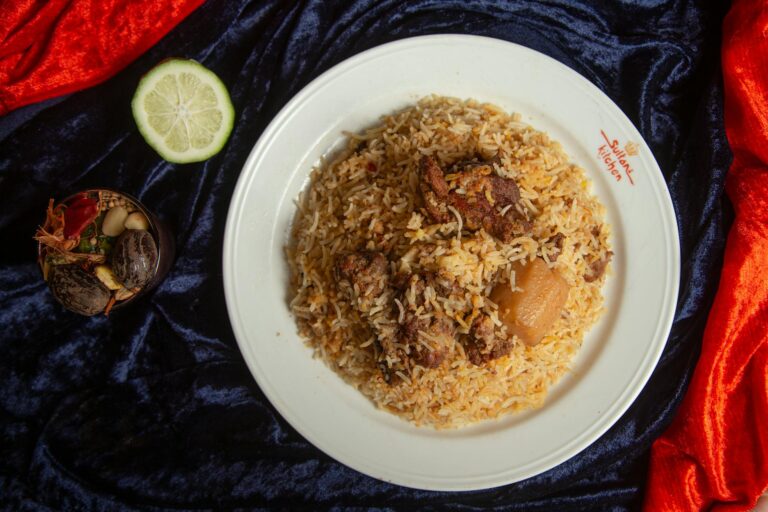
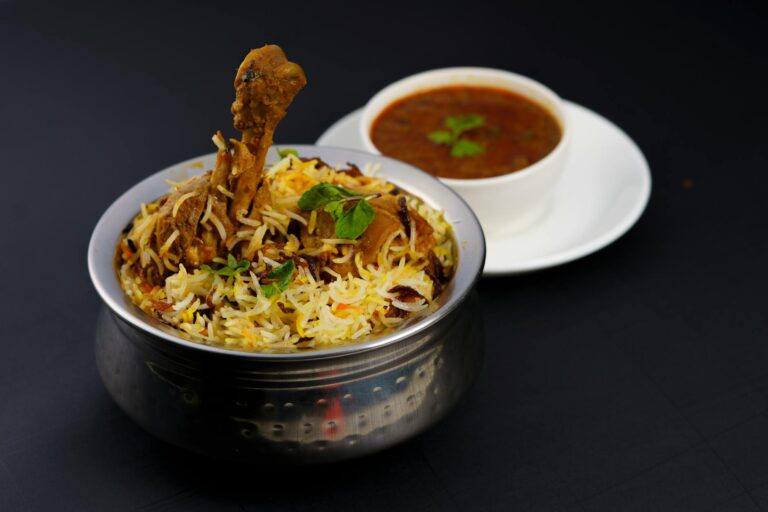
At any decent biryani spot in Hyderabad or Lucknow, cardamom pulls double duty. Green cardamom infuses the rice water. Black cardamom, cracked open, nestles into the meat. Sometimes it even shows up in the garnish. This isn’t overkill—it’s genius. Green cardamom keeps the dish from feeling heavy. Black cardamom adds smoky depth that makes you slow down. Places like Cafe Bahar in Bangalore or the iconic joints near Charminar in Hyderabad use it to build flavor in layers. Cardamom shouldn’t shout. Done right, it sharpens everything else: the meat tastes richer, the rice more distinct, the whole dish purposeful.
Chai’s Secret: Why Cardamom Matters More Than You Think
Cardamom-less chai is like decaf coffee—pointless. The spice transforms milk and tea into something alive. Chai wallahs at Mumbai’s railway stations crush fresh pods into their kettles for a reason. Pre-ground cardamom fades fast. Those volatile oils—the ones that give cardamom its kick—vanish within weeks. At home, smash whole green pods with a knife, toss them in with your tea leaves, and let them boil. The difference is real. Proper chai leaves a cool tingle at the back of your throat, a trick only fresh cardamom can pull off.
From Gulab Jamun to Kheer: Cardamom in Indian Sweets
Indian desserts lean on cardamom to avoid being cloying. Gulab jamun’s rose syrup gets depth from a pinch of ground cardamom. Kheer turns transcendent when you stir it in at the last minute—too early, and the flavor evaporates. Karnataka’s payasam variations all use it. The spice’s peppery edge balances the sugar, keeping sweets from feeling one-note. Whether it’s barfi, rasmalai, or jalebi syrup, cardamom isn’t just decoration. It’s the reason these treats don’t taste like pure sugar bombs. Stick to green pods for desserts; black cardamom’s too bold here.
Buy whole pods. Grind them as needed. Keep them sealed and away from light. A cheap spice grinder changes everything. Your biryani, chai, and desserts will level up fast.