Tokyo
Tokyo Bangkok
 Seoul
Seoul Singapore
Char Kway Teow: Malaysia’s Street Food Masterpiece
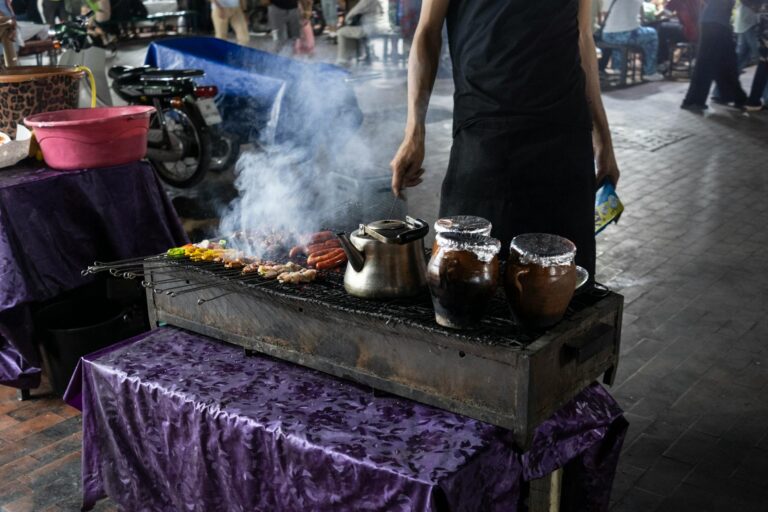
The first time you see a char kway teow master at Petaling Street Market in Kuala Lumpur, it clicks why Malaysians line up before dawn. That wrist flick sending noodles airborne, the sizzle of pork fat hitting scorching metal – the smells alone (smoky soy, briny shrimp, caramelized pork) tell you this isn’t just another noodle dish. This is Malaysia’s ultimate comfort food, no contest.
How Char Kway Teow Became Malaysia’s National Obsession
Chinese immigrants brought char kway teow to Malaysia in the 1800s, but Malaysians made it their own. Hokkien communities in Penang and KL didn’t just adapt the recipe – they reinvented it. Local touches like preserved radish (chai poh), Chinese sausage (lap cheong), and cooking with lard instead of oil created something entirely new. Today you’ll find char kway teow stalls everywhere from Ipoh night markets to Johor Bahru food courts, each claiming theirs is the real deal. Penang versions pack more shrimp paste, while KL’s focus on wok hei (that smoky wok flavor) – these regional differences make the hunt for great char kway teow endlessly interesting.
The Three Stalls That Changed My Understanding
After sampling char kway teow at 60+ Malaysian stalls, three stand out. Ah Leng’s in Georgetown, Penang operates from a time-warped shop unchanged since 1987. Her 40-year-old wok delivers deep, smoky flavors without MSG. At KL’s Jalan Alor food street, Uncle Tan’s stall serves noodles with perfect texture – each strand distinct yet coated in sauce. He refuses to cook more than two portions at once. Then there’s Restoran Nasi Kuning in Melaka, where duck fat joins pork lard for a richer, lighter flavor. These masters prove char kway teow excellence comes down to details: precise timing, perfect heat, and well-seasoned equipment.
Why This Dish Works When Everything Else Feels Too Complicated
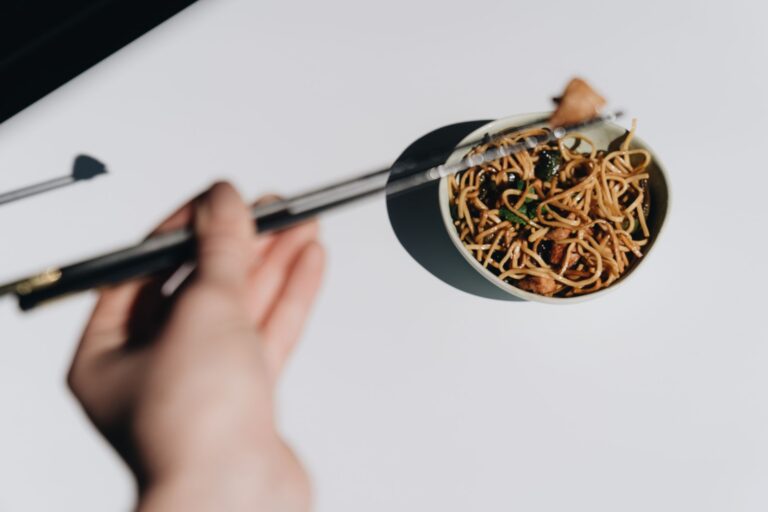
The ingredients seem simple: flat rice noodles, eggs, shrimp, Chinese sausage, preserved radish, bean sprouts, and soy sauce. But execution is everything. Day-old noodles hold up better than fresh. The wok must be blistering hot, its surface seasoned by years of use. Proteins get added in careful sequence. Bean sprouts stay crisp. The soy sauce ratio makes or breaks the dish. What makes Malaysian char kway teow special is its embrace of imperfections. Those slightly burnt bits aren’t mistakes – they’re essential. The contrast between bitter char, sweet soy and rich pork fat creates the flavor Malaysians can’t resist.
When in Malaysia, skip the tourist spots and hit local food courts around 11 AM or 6 PM – prime cooking hours. Watch how vendors let the wok heat before adding ingredients. That pause isn’t hesitation; it’s temperature control. Try a small portion first. Your tastebuds will thank you, and you’ll save room to sample more of Malaysia’s incredible street food.