Tokyo
Tokyo Bangkok
 Seoul
Seoul Singapore
Inside Japan’s Izakaya: Where Salarymen Actually Eat
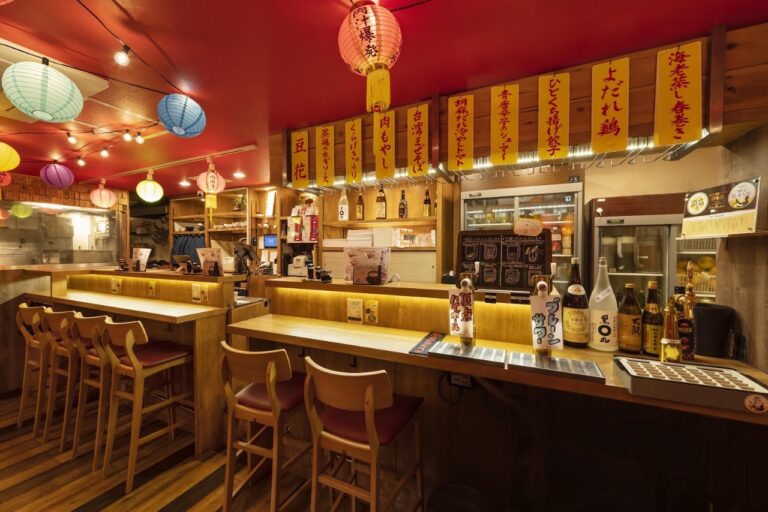
Thursday evening in Tokyo: 6:15pm. Salarymen crowd into a tiny Shinjuku izakaya, squeezing between tables. Not here for the ambiance—they’re here because they have to be. Boss demanded it. Coworker peer-pressured them. Or maybe they just need one drink before facing the train ride home. This is where Japan’s work culture plays out, amid sticky floors and shouted conversations over cheap beer.
The After-Work Obligation That Became Tradition
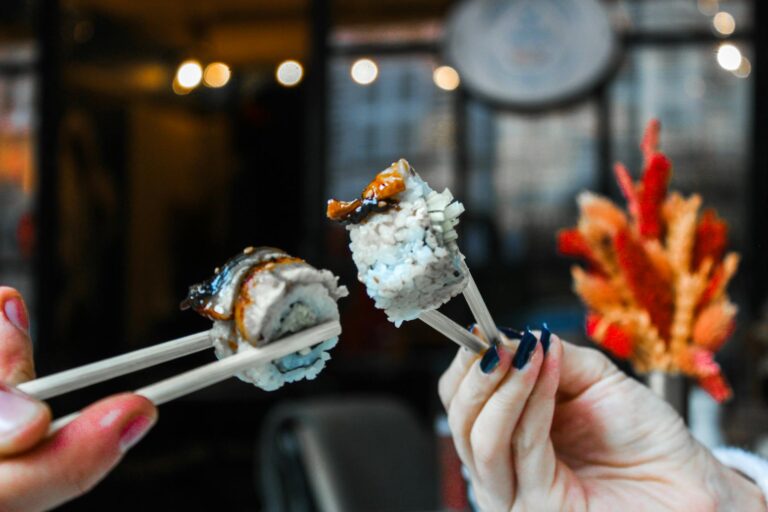
Nomikai—those mandatory drinking sessions—aren’t really optional. Hierarchies loosen here. Junior staff might actually speak. Deals happen between bites of yakitori. The menu tells the whole story: no fancy mixology, just Asahi drafts and whisky-soda highballs. Food arrives haphazardly—grilled chicken hearts for the manager, cold tofu for the budget-conscious, toro sashimi for whoever’s expensing it. These dishes exist for one purpose: to soak up alcohol after a 12-hour workday. No frills. Just salt, fat, and convenience.
What Actually Gets Ordered (And Why)
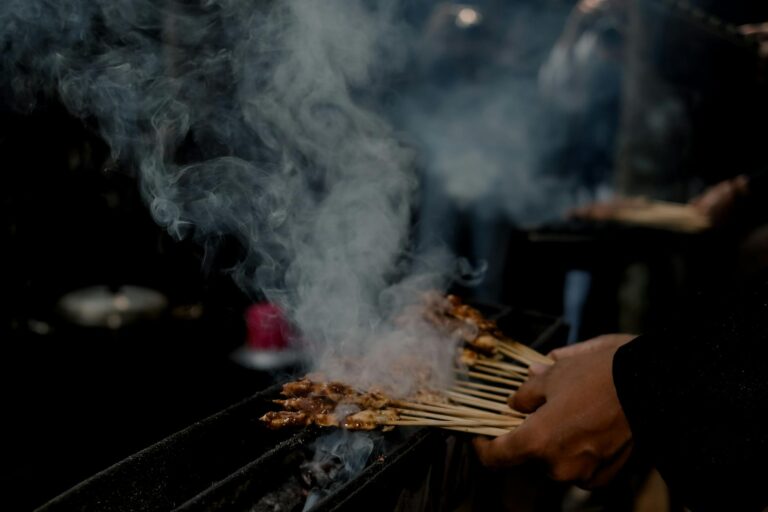
Every izakaya in Osaka or Fukuoka serves the same staples. Yakitori skewers—not because they’re amazing, but because they’re cheap and consistent. Hatsu (heart), bonjiri (tail), negima (chicken-scallion). Gyoza come straight from the freezer. Karaage satisfies the unadventurous. Regulars go for cartilage crunch or offal—not to be edgy, but because it tastes right with beer. Side dishes reveal more: vinegary pickles, mayo-heavy potato salad (Japan’s superior version), seaweed strands slick with sesame oil. Every neighborhood spot has its secret. In Chiyoda, the corner joint hooks regulars with negi-toro don—fatty tuna over rice, best ordered three drinks deep.
The Economics of Staying Late
¥3,000-5,000 buys you an evening of avoidance. That’s the going rate for delaying your commute home. Sometimes the company pays. Sometimes seniors cover it. Timing dictates the crowd—6pm packs in the salarymen, 8pm sees stragglers, 9pm brings date-night couples. Veterans know which spots do crispy karaage right, which pour generous sake, which the boss favors. These places aren’t special. They’re necessary. Two hours of mandatory socializing somehow morphs into something resembling fun after enough highballs.
Pro tip for Japan newcomers: When invited to an izakaya, mirror the oldest person at the table. Skip the English menu. Get edamame, yakitori, whatever the cook does best. Drink what they drink. Leave when they leave. That’s the playbook.