Tokyo
Tokyo Bangkok
 Seoul
Seoul Singapore
Chiang Mai Food Guide: Northern Thai Dishes Beyond Bangkok
Chiang Mai mornings don’t start with pad thai. It’s khao soi gai slurped standing at a cramped stall, egg noodles dissolving into turmeric-stained broth before you’ve fully woken up. This is everyday fuel, not some performance for outsiders. The gap between Chiang Mai and Bangkok’s food scenes isn’t just distance—it’s about what real people eat when they’re clocking in for work, dropping kids at school, living actual lives. Bangkok tweaks northern dishes for Instagram. Chiang Mai eats them because they work.
Khao Soi and the Dishes That Define Daily Eating
In Chiang Mai, khao soi isn’t some fancy occasion meal. It’s what you inhale between errands, what you crave when exhausted, what costs less than a latte back home. But the Warorot Market versions—especially those stalls by the old wooden shophouses—bear zero resemblance to Bangkok’s tourist-friendly renditions. The curry here runs on shrimp paste fermented for months, not weeks. The broth has layers because it’s been bubbling since dawn, not whipped up when ordered. At places like Khao Soi Lam Duan, the cook could mix the curry base in her sleep after thirty years.
Northern khao soi has rules. You get a side plate of raw veggies—cabbage, long beans, banana flower—not for decoration but for crunch. Locals attack it the same way every time: noodles first, then broth, then a final fistful of crispy noodles. It’s ritual, not adventure. This is eating to function.
Sai Oua and the Market Stalls That Don’t Cater to Tourists
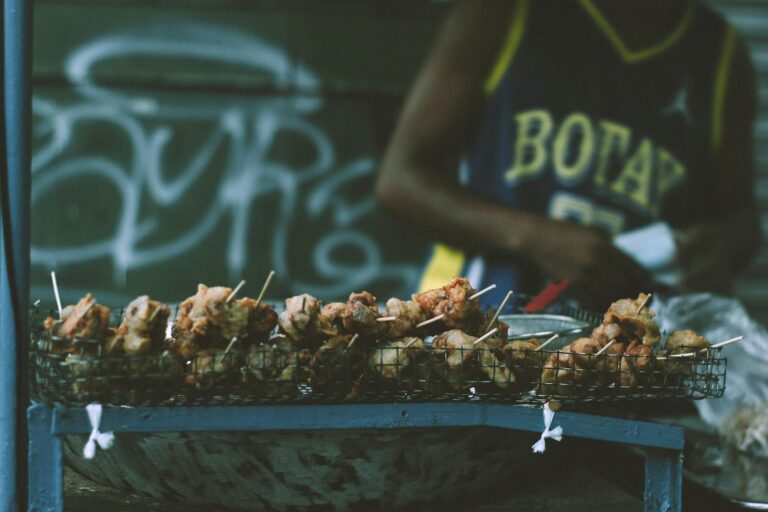
Sai oua pops up everywhere in Chiang Mai, but the real deal lives in Warorot’s meat section, where vendors sell it still warm from the smoker. These aren’t the toned-down tourist versions. Proper sai oua packs pork shoulder with kaffir lime leaves, galangal, shallots, and enough bird’s eye chilies to leave your lips tingling. The casing? Actual pork intestine, not that plastic junk sold to visitors.
The Night Bazaar has it too, but head for the food section where locals cluster, not the main tourist drag. Vendors here serve families grabbing dinner, not checklist travelers. They’ll grill your sausage fresh, slap it on sticky rice with a dollop of that morning’s nam prik. Whole plate: about $1.50. The first bite splits the casing, fat dripping into rice. No frills. No fuss. Just how it’s supposed to be.
Larb and the Dishes That Reveal Regional Variation
Every Thai region does larb differently. Northern versions? Coarser meat chunks, heat from chili powder kneaded in while the meat’s still warm—not fresh chilies sprinkled after. At Warorot’s prepared food stalls (especially near the vegetable vendors), they’ll offer pork, chicken, or organ meat larb. Guess which one locals actually buy? The organ version. Cheaper. Tastier.
Night Bazaar’s northern section has larb too, but quality depends on one thing: did they use fresh market meat or some pre-made glop? Good larb fights back slightly when you chew—it shouldn’t mush into paste. The lime juice ought to make your jaw clench. This isn’t dainty food. Never was.
Visiting Chiang Mai? Ditch the old city spots with English menus. Hit Warorot Market at 7 a.m. when locals shop and eat breakfast. Swing by the Night Bazaar’s food section on weeknights. Watch where the vendors eat during breaks. That’s where the real food lives.