Tokyo
Tokyo Bangkok
 Seoul
Seoul Singapore
Sichuan Peppercorn Guide: Mastering Mala Flavor at Home

Western cooks often get Sichuan peppercorn all wrong—it’s not about heat. The real magic? A weird, tingling numbness the Chinese call málà (麻辣), or “numbing-spicy.” Unlike chili peppers that burn, this stuff plays tricks on your nerves. Once you figure that out, you’ll stop treating it like cayenne and start using it to boost flavors.
Why Sichuan Peppercorn Makes Your Mouth Go Numb
Blame hydroxy-alpha sanshool. This compound hijacks the same nerves that sense light touch—so yeah, your mouth literally feels like it’s being poked by tiny invisible fingers. Researchers at the University of Melbourne found sanshool activates touch receptors at 50 Hz, the same frequency as actual contact. That wild sensation in mapo tofu? Not a mistake. It’s the whole point. The best peppercorns come from Sichuan Province, where the soil and climate pump up sanshool levels. Yunnan versions exist but are milder. The numbness creeps in, peaks around 30 seconds, then fades—nothing like chili heat that just keeps building.
Toast It Right or Don’t Bother
Raw Sichuan peppercorns taste like lemony sawdust. Toasted? They transform into something floral and citrusy. The sweet spot: 300-350°F for 90 seconds in a dry pan. Shake constantly. Too long and they turn bitter; too short and they stay bland. Grind them right after cooling. This step is crucial for dishes like Chongqing’s la zi ji (spicy chicken). Pre-ground stuff from the store tastes like dust because those volatile oils vanish fast. Sichuan chefs toast fresh batches daily—not for tradition, but because the flavor dies fast. Ground peppercorns lose their punch in about two weeks. Buy whole, store airtight, and grind as needed.
The Art of Málà: Numbing + Heat
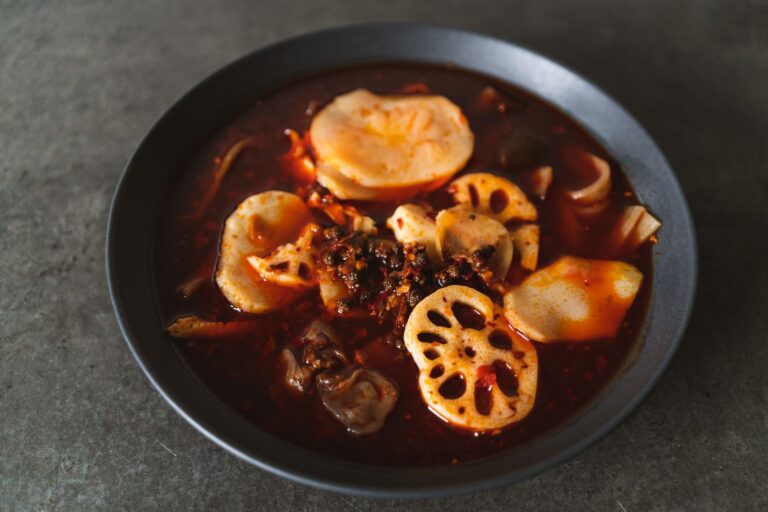
Sichuan cooking’s real genius? Pairing peppercorns with chilies to create málà—that numbing-spicy combo. Take mapo tofu: ground peppercorns team up with chili oil and fresh chilies. The numbness twists the heat, making it feel sharper yet more spread out. Try this: infuse oil with toasted peppercorns, dried chilies, and star anise. Drizzle it on fish or veggies. The peppercorn won’t hog the spotlight—it’ll stretch the other flavors. In Chengdu, this huajiao you (花椒油) sits on every table. Start with ¼ teaspoon per serving. The numbness creeps up on you. It’s weirdly addictive.
Get whole peppercorns from trusted spice shops or Chinese grocers. Toast them. Grind them fresh. Stop treating it like some exotic garnish—it’s a flavor tool. Once you get how it messes with your mouth, you’ll use it everywhere.