Tokyo
Tokyo Bangkok
 Seoul
Seoul Singapore
Bak Kut Teh: Why Malaysia’s Pork Rib Soup Outshines Its Competition
A Soup That Divides Malaysian Culture
Bak Kut Teh shouldn’t be this popular. A murky broth with pork ribs, Chinese herbs, and garlic—it sounds more like medicine than a must-eat dish. Yet this simple Hokkien creation splits Malaysia along religious lines while still being wildly loved. Unlike crowd-pleasers like laksa, Bak Kut Teh doesn’t compromise. It’s all about pork in a Muslim-majority country, tied to one dialect group, and tastes nothing like what tourists expect from Southeast Asia. That’s why it’s important.
The Hokkien Miners Who Built a National Dish
Bak Kut Teh started in 1920s Klang, a port town where Hokkien tin miners worked brutal hours. The soup began as herbal medicine—practitioners believed ingredients like angelica root and ginseng could recharge exhausted bodies. Pork ribs were cheap filler. What kept workers going became cultural pride. Today, Klang still rules, with spots like Bak Kut Teh Guan Kee serving the same recipe since the 1950s. The Hokkien influence spread: Singapore made it sweeter, Penang adjusted the herbs. Every version traces back to those tired miners looking for warmth.
What Separates Good Bak Kut Teh From Forgettable Bowls
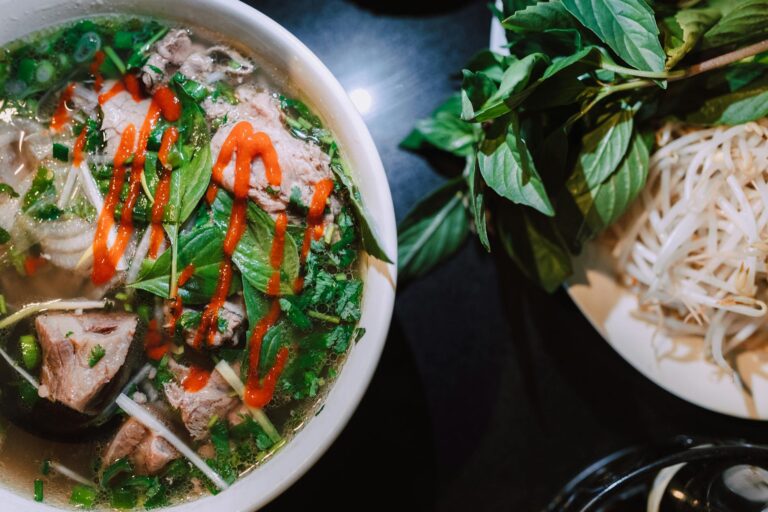
Great Bak Kut Teh comes down to two things: clear broth and patience. The best versions cook 6-8 hours, with bones blanched first to remove gunk. That’s how you get golden broth instead of murky water. Herbs make or break it—real deals use ginseng, cordyceps, goji berries, dried shiitake, sometimes oddballs like rehmannia root. Garlic is essential, usually whole so it flavors without dominating. Heat control matters most; pros keep it at a lazy bubble. Klang’s Bak Kut Teh Guan Kee uses wood fires for steady warmth. Newer places like Bak Kut Teh Koon Kee use pressure cookers but stick to old-school ratios. The pork should slide off the bone but hold its shape. Sides—youtiao, pickled veggies, chili paste—add crunch and cut the richness.
If you’re in Malaysia, skip the tourist traps. Go straight to Klang’s Jalan Stesen Besar, where family-run shops have been perfecting this for decades. Get there before noon—the good spots sell out fast. Try a small bowl first to check quality. Don’t expect pretty decor. You’ll get plastic chairs, harsh lights, and the sound of slurping. That’s the charm. This is food that survives on taste alone, no trends required.