Tokyo
Tokyo Bangkok
 Seoul
Seoul Singapore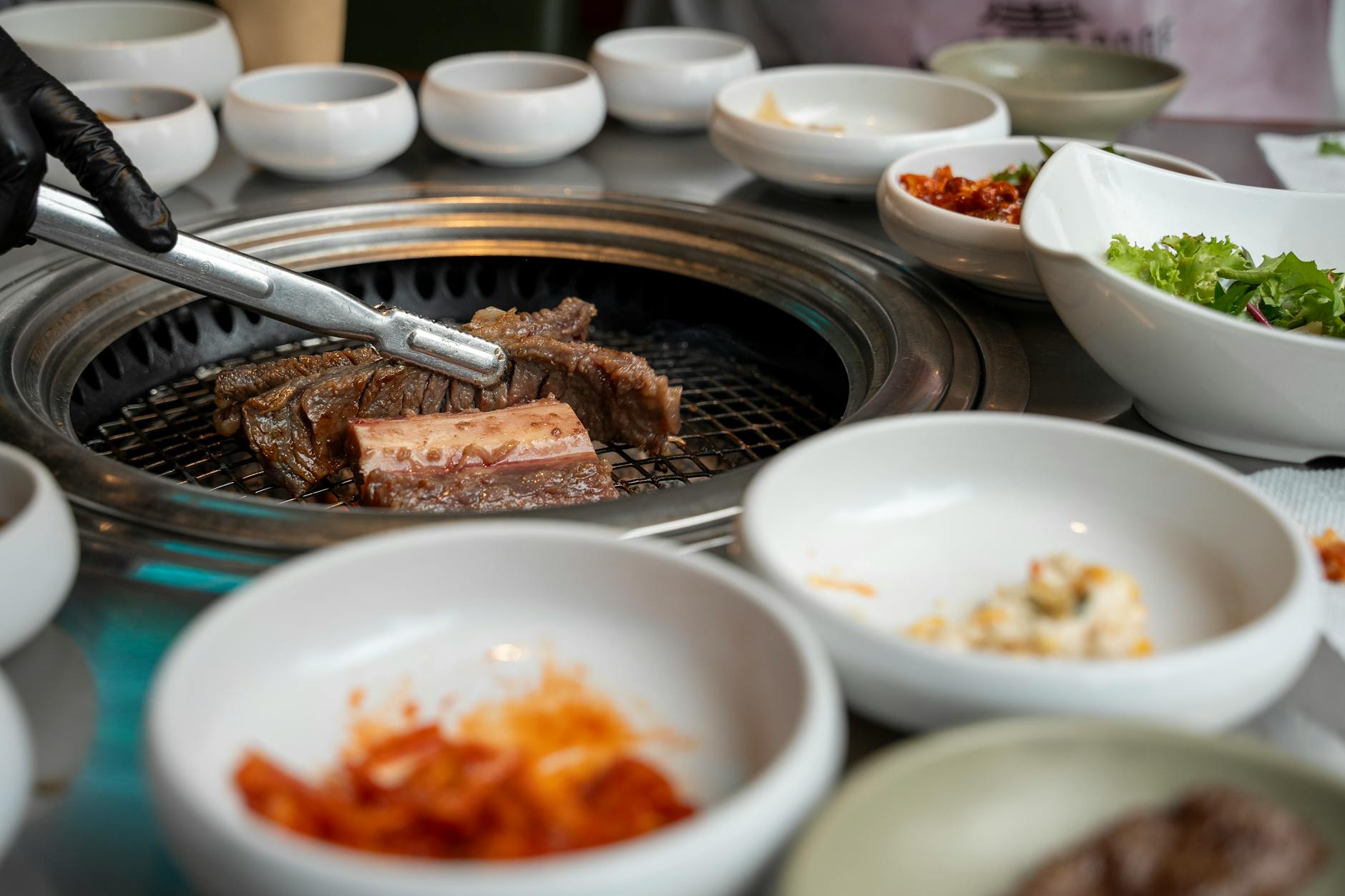
Korean BBQ vs Japanese Yakiniku: Which Table Grill Wins
In a Seoul pojangmacha at 11 p.m., a vendor flips marinated beef on three grills at once, wrapping sizzling pieces in lettuce faster than customers can eat them. Two blocks away in Tokyo, a yakiniku chef stares at one perfect slice of wagyu, waiting for the exact second it’s done. Same idea. Totally different vibe.
The Meat Tells You Everything
Korean BBQ and Japanese yakiniku both involve tabletop grilling, but their approaches reveal completely different philosophies. Korean BBQ uses thin slices—brisket, short rib, ribeye—soaked for hours in soy, pear, garlic, and sesame. The marinade does all the work. Meat hits the grill pre-flavored, ready to char fast.
Yakiniku goes the opposite direction. Thicker cuts. Often just salt and pepper. The meat’s quality—marbling, age, cut—becomes everything. Good yakiniku spots source specific beef grades, with grill masters adjusting heat by the second. You taste the meat, not the sauce.
This changes how you order. At Korean BBQ, ask about special marinades. For yakiniku, find out what’s freshest and let staff guide cooking times. One’s about bold flavors; the other’s about perfect ingredients.
Where to Find the Real Thing (and What to Order)
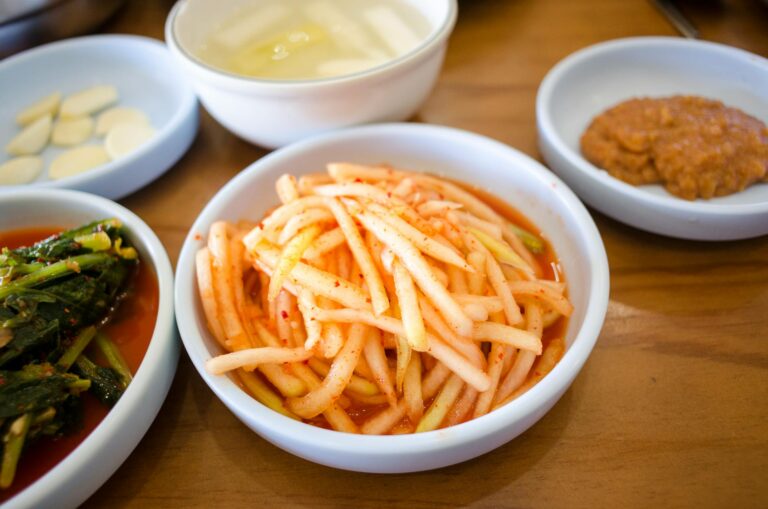
London’s Hairgeneva in Fitzrovia nails Korean BBQ—thin brisket and pork belly arrive with banchan sides, marinades balanced enough to let meat flavors through. New York’s Cote does both styles well, but their yakiniku counter stands out: A5 wagyu, duck breast, beef tongue grilled by Tokyo-trained staff.
Sydney’s Goro Ramen + Izakaya serves yakiniku alongside ramen, focusing on quality marbled beef and precise grilling. For Korean BBQ, Chinatown spots offer proper table grills with good ventilation—key since Korean marinades smoke more than yakiniku.
Try brisket (galbijim in Korean, gyutan in Japanese), pork belly (samgyeopsal vs. pork jowl), plus something offal-based to see how each culture treats cheaper cuts. Korean BBQ marinates and quick-cooks offal. Yakiniku often grills it plain to highlight texture.
The Social Ritual Is Not the Same
Here’s what most guides miss. Korean BBQ is dinner theater. Grill in the middle, everyone cooking for each other, fast-paced, wrapping meat in lettuce with garlic and ssamjang paste. It’s loud. It’s group eating.
Yakiniku can be social but feels more controlled. At counters, you watch the chef work. Table grills move slower. It’s about patience—waiting for that perfect moment. No rushing allowed. Different rhythm entirely.
Neither style’s better. Just different. Korean BBQ means abundance, speed, sharing. Yakiniku focuses on precision, single pieces, the dance between diner and grill. Knowing this changes everything.
If your city has both, try them back-to-back. Do Korean BBQ first—Friday night, big group, all the chaos and lettuce wraps. Then hit a yakiniku spot alone, sit at the counter, and watch beef cook for twenty minutes. You’ll get why both exist.