Tokyo
Tokyo Bangkok
 Seoul
Seoul Singapore
Dal Makhani: Regional Secrets Beyond the Restaurant Version

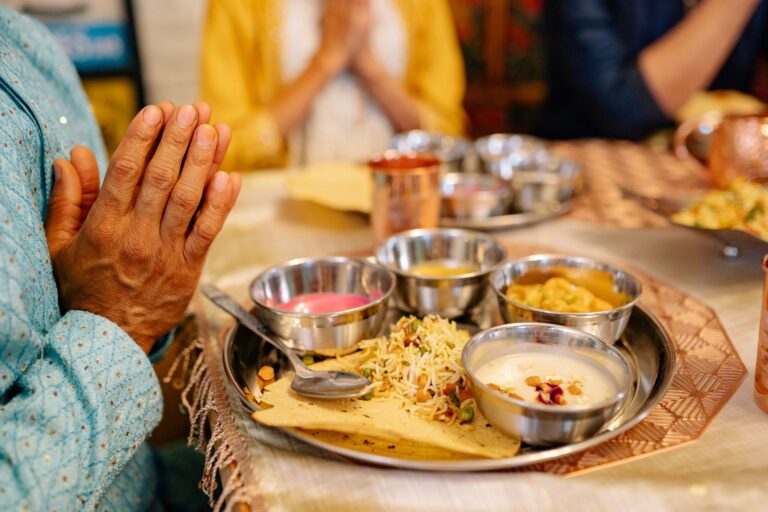
On Tuesday evenings in Delhi, dal makhani bubbles away in home kitchens while families wind down from work. This isn’t fancy party food—it’s the hearty, no-nonsense meal you crave after a long day. What restaurants serve barely resembles the real thing. Across North India, home cooks rely on slow technique rather than buckets of cream to build flavor.
Why Homemade Tastes Totally Different
Restaurants dump in cream and butter for instant richness. Home cooks play the long game. In Punjab and Delhi, they soak whole urad dal overnight, then simmer it for hours until the lentils nearly disintegrate. The starchy cooking liquid thickens naturally—no cream needed. Some add just a spoonful at the end. Others use evaporated milk. Many skip dairy altogether, letting the dal shine with just a garlic-ginger ghee finish. The result? Homemade versions taste like lentils with cream. Restaurant ones taste like cream with lentils.
Spice Secrets That Vary By Region
Spice blends shift as you move across North India. Delhi and Haryana keep it simple: cumin, coriander, turmeric first, then dried red chilies and fenugreek leaves later. Punjabi cooks from Amritsar might add a whisper of asafoetida or black cardamom for smokiness. Up in Himachal Pradesh, some stir in mace and black peppercorns early on. The big mistake? Dumping all spices in at once. Smart cooks layer them—some during cooking, more in the final tempering. And always toss in kasuri methi right before serving, never before.
The Non-Negotiable Steps
That overnight soak? Mandatory. Without it, urad dal’s tough skin won’t break down properly. Start in a pressure cooker (about 45 minutes), then switch to a heavy pot for slow simmering. This is where the magic happens. Stir occasionally, smashing some lentils to thicken things up. When it reaches porridge consistency, get ready for the grand finale. The tempering—whole spices crackling in hot ghee—should happen fast. Pour it sizzling onto the dal. That sound isn’t just theater; it’s flavor developing. And never salt before this step.
Want to try it? Block off three hours. Use whole urad dal, not split. Get real kasuri methi from an Indian market. Good dal makhani doesn’t come from shortcuts—it comes from respecting every slow, deliberate step.