Tokyo
Tokyo Bangkok
 Seoul
Seoul Singapore
Banh Cuon: Vietnam’s Best Kept Culinary Secret

Banh cuon is what Vietnamese home cooks have mastered over generations, while pho still gets all the foreign attention. These delicate steamed rice paper rolls hold ground pork, shrimp, and wood ear mushrooms, served cool with a side of dipping sauce. Simple? Sure. Easy? Not even close. The rice paper should tear like tissue, the filling balanced so nothing overpowers, the sauce bright but not harsh.
The Technique That Separates Good Banh Cuon From Mediocre Ones
Banh cuon seems straightforward until you try making it. The rice paper tells you everything. Places that make theirs in-house stretch rice batter over steaming cloth—just seconds to cook, then onto a greased tray. The result? Paper so thin you can almost see through it. Factory-made versions are thicker, greasier, and fall apart halfway through a bite. It’s like comparing fresh linen to a paper towel.
The filling needs just as much care. Pork ground fine, cooked enough to be safe but still juicy. Wood ear mushrooms should snap slightly, not squish. Shrimp, if used, ought to be small and sweet. Some skip shrimp altogether—often a smart move. The roll itself stays neat without being squeezed to death.
Nuoc cham—that fish sauce, lime, sugar, and chili mix—isn’t just a dip. It’s what makes the dish sing. The sharpness lifts the rice paper’s mild sweetness and the filling’s deep savor.
Where To Eat Real Banh Cuon In Vietnam And Beyond
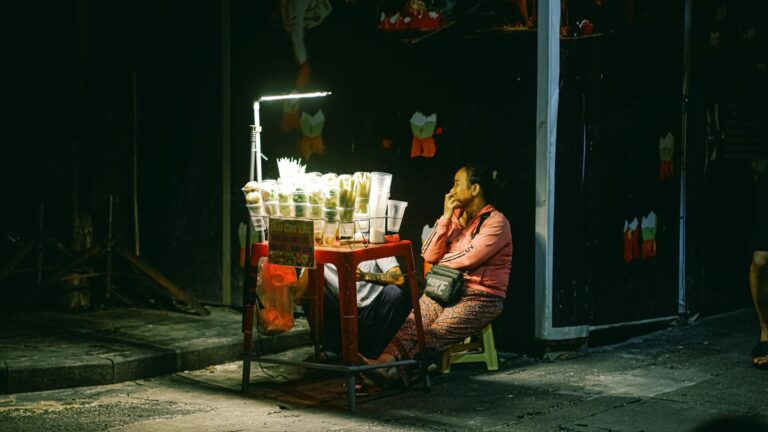
In Hanoi, banh cuon spots open at sunrise and vanish by mid-morning. They’re not being difficult—everything’s made fresh daily, and it sells fast. The good stuff comes from family-run stalls in the Old Quarter, especially around Hang Manh Street. Four to six rolls cost about 20,000-30,000 VND (less than $2). These aren’t tourist spots—they’re where locals grab breakfast before work.
Ho Chi Minh City does it differently—slightly sweeter, sometimes with a quail egg tucked inside. The texture’s softer than Hanoi’s version. Neither’s better; they’re just regional styles.
Outside Vietnam, authentic banh cuon is rare. Most Vietnamese restaurants abroad don’t bother—it’s labor-intensive with ingredients that don’t keep. Your best shot? Vietnamese enclaves: Westminster in California, Eden Center in Virginia, or Sydney/Melbourne suburbs. Look for shops with Vietnamese-only signs, no English menu, and a morning crowd. That’s where the real deal lives.
Why Banh Cuon Never Went Global While Pho Did
Pho works anywhere. It simmers for hours, improves overnight, and scales up easily. Banh cuon? The clock starts ticking the second it’s made. The rice paper dries, the filling cools, the texture goes limp. You’ve got maybe 20 minutes before it’s past its prime. No way to prep it in advance or ship it across town.
Banh mi conquered the world because it’s sturdy and flexible. Pho won hearts with its photogenic bowls. Banh cuon? Too fragile. Too fleeting. It won’t impress on camera—just on your tongue. That’s exactly why it’s worth finding.
Ingredients are another hurdle. Rice paper quality varies. Wood ear mushrooms must be just right. Restaurants need consistency, and banh cuon doesn’t play that game.
What To Do Next
Track down a Vietnamese spot that makes banh cuon fresh. Get there early—before 10 a.m. Order without hesitation. Eat it right away. No need to overcomplicate things. This is one of Vietnam’s finest dishes, quietly waiting for you to notice.