Tokyo
Tokyo Bangkok
 Seoul
Seoul Singapore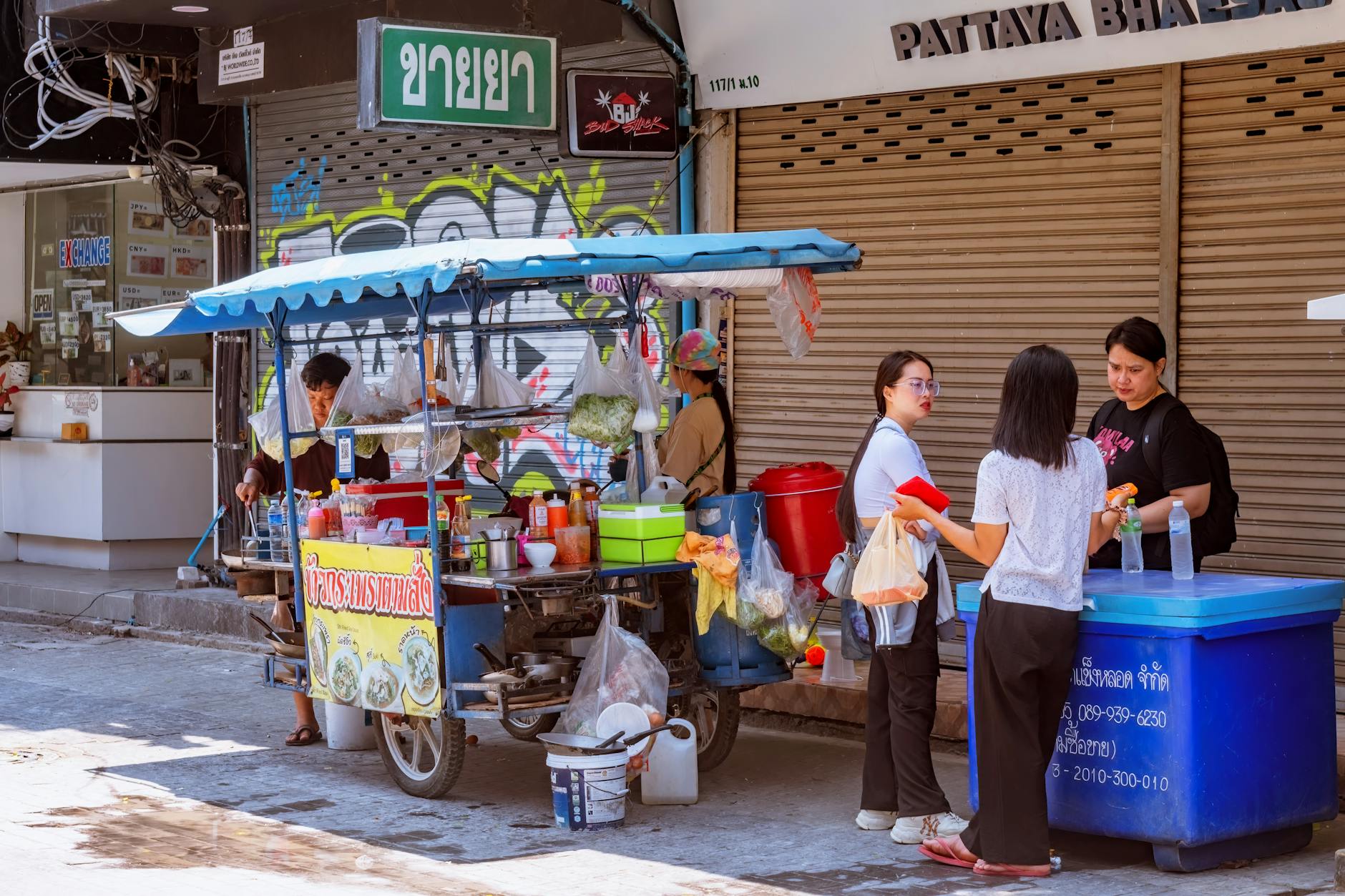
Thai Tub Tim Grob Recipe: Street Vendor Technique at Home
The first thing you notice at Bangkok’s Chatuchak Market is the sound—metal spoons clanging against bowls, ice crunching into cups. At a worn wooden stall, a vendor in a stained apron moves with the muscle memory of someone who’s made this dessert a thousand times. She’s whipping up Tub Tim Grob, and the version she’s making will ruin all other attempts for you. That’s when it hits you: there’s an art to this.
Why Street Vendors Get the Balance Right (And Home Cooks Usually Don’t)
Tub Tim Grob means “crunchy rubies”—water chestnuts, coconut milk, syrup, ice. Simple, right? Wrong. The stall masters have this down to a science. They know the magic happens when no single flavor takes over. The Chatuchak vendor didn’t measure. She tasted, adjusted, tasted again. A squeeze of lime here, a pinch of salt there. She wasn’t following steps—she was chasing perfect balance.
Most homemade versions go too sweet. The real deal should hit your tongue with three things at once: palm sugar’s richness, lime’s tang, and just enough salt to make both sing. As for the chili? It shouldn’t punch you in the face. It should make you wonder if it’s even there.
The Syrup Is Where the Real Work Happens
Don’t just mix sugar and water and call it a day. Vendors in Chiang Mai and Phuket start their syrup the night before—palm sugar melting slowly, flavors mingling over hours. That’s the secret.
Here’s how to do it right: dissolve 150g palm sugar in 250ml water over low heat (about 8 minutes). Cool completely. Mix in 3 tbsp lime juice, ½ tsp sea salt, and ¼ tsp chili powder. Taste. Too sweet? More lime. Flat? Pinch of salt. Let it sit at least 2 hours—overnight’s better. The Chatuchak vendor kept hers in a shaded glass jar all morning.
Assembly Is About Temperature and Texture Contrast
You’ll need three things ready: halved water chestnuts, crushed ice, and full-fat coconut milk. The trick is layering. Ice first, then chestnuts, syrup poured over, coconut milk crowning it all. The ice melts just enough, the chestnuts stay crisp, the coconut rounds out the sharp edges.
That Bangkok vendor gave hers three careful stirs before serving—enough to mix without turning it to slush. The clear cup showed off the layers: white coconut sinking into amber syrup, red rubies bobbing beneath. You see it before you taste it—cold, sweet, tart, with that sneaky chili warmth creeping up after.
Do it this way, and you’ll get why people line up in sweltering heat for a cup. No tricks. Just good ingredients handled right.