Tokyo
Tokyo Bangkok
 Seoul
Seoul Singapore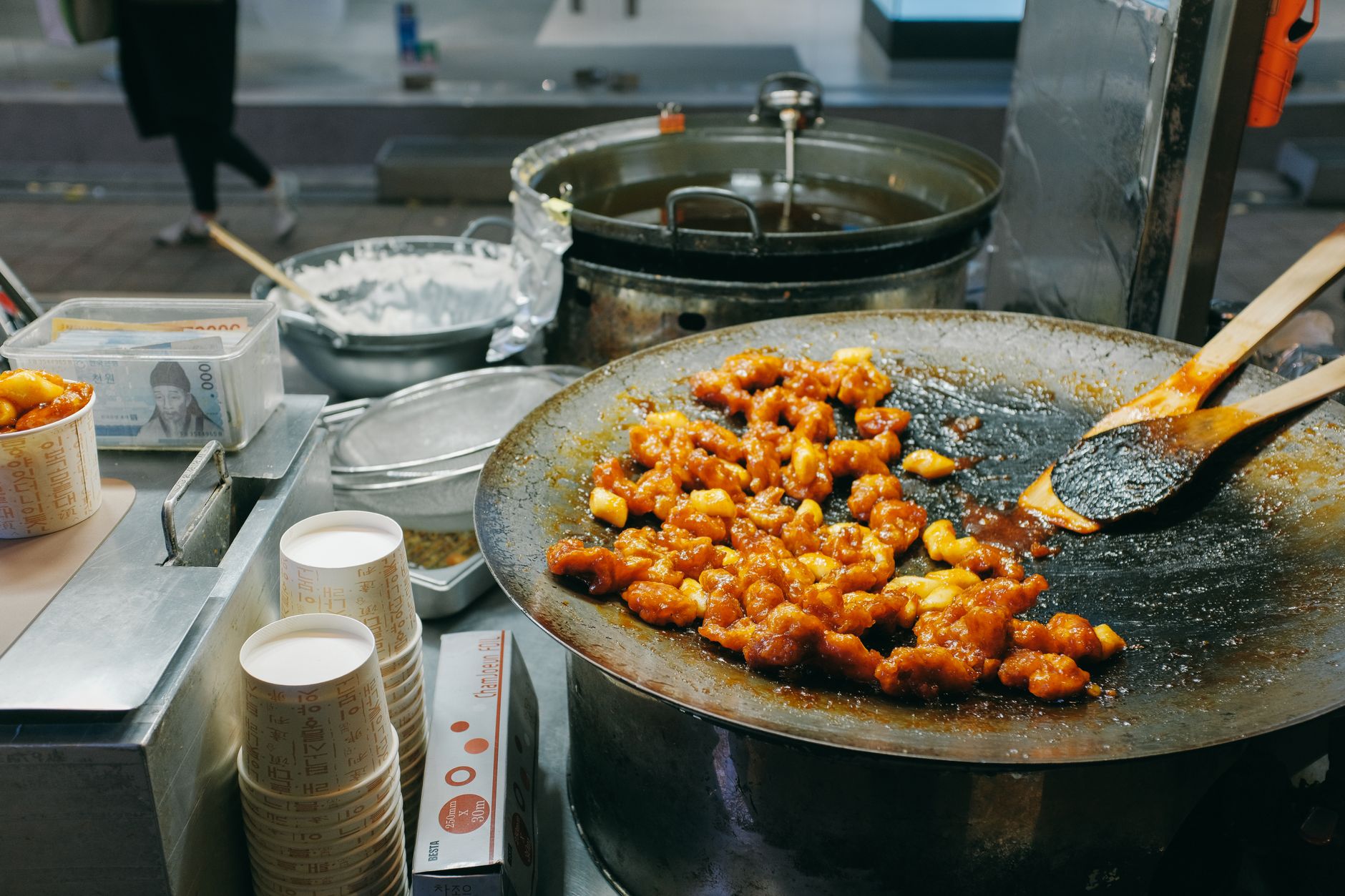
Seoul Food Guide: Gwangjang Market to Hongdae
Seoul doesn’t treat food like a tourist checklist. It’s what fuels the workday, what your family nags you to eat more of, what friends debate at 2 a.m. The city’s food culture unfolds in unplanned moments—markets where the same ajumma has served the same dish for decades, back-alley spots that do one thing right, neighborhoods where the menu changes with the clock. This isn’t about Instagram. It’s how people live.
Gwangjang Market: Lunch Like a Local
Gwangjang isn’t a theme park. It’s where electricians, accountants, and grandmas grab lunch. Watch the weekday noon crowd—they move fast, zero hesitation. No time for indecision.
The bindaetteok here? Crispy-edged mung bean pancakes, kimchi-studded, fried in blackened pans. 4,000 won gets you one the size of a plate. Stand at the counter, dip it in vinegar-soy sauce, let the oil drip. Nearby, tteokbokki vendors use house-made gochujang, not the bottled stuff. Their rice cakes have real chew—boiled fresh, never rubbery.
Pro tip: ignore the camera-ready seafood pancakes. Join the line for kalguksu instead. That cloudy broth? Simmered with anchovies since dawn. Squeeze into a plastic stool. This is Seoul’s lunch rush.
Jongno and Myeongdong: Time-Tested Bites
Some spots here haven’t changed their recipes since the 1980s. Not for nostalgia—because they work. At ginsam-gukssu joints, no one asks what you want. They bring noodles to wrap in perilla leaves, broth at the exact right warmth. Muscle memory, not menus.
Myeongdong’s sujebi places fill up when the first cold snap hits. The broth—anchovies and kelp, boiled down to something deep. Hand-torn dough bobs in it, edges ragged to soak up more flavor. Locals navigate by subway exits: “Near Exit 3, you’ll smell it.”
Tteokgalbi here gets marinated in pear juice at sunrise. You grill the short-rib patties yourself, wrap them in lettuce with too much ssamjang. The banchan? Not fancy, just right. This is Seoul’s version of comfort food—nothing reinvented, everything remembered.
Hongdae: Night Eats for the Young and Broke
Hongdae runs on student budgets and late-night cravings. Pojangmacha tents hawk tteokbokki past midnight because hunger doesn’t punch a clock. Portions here skew bigger, prices smaller—this crowd counts every won.
Dakgangjeong spots do sticky-sweet fried chicken for groups. The glaze? Thick with garlic and gochujang. Some serve it with fries now. Not fusion, just math: carbs plus carbs equals happy.
Ramyeon shops treat instant noodles with straight-faced respect. They’ll toss in an egg, maybe cheese, definitely spam if you’re splurging. No irony here—just survival. The good ones have been doing this since flip phones were cool.
Follow the crowds. Avoid English signs. Hit Gwangjang when office workers do. Eat sujebi when your bones ache. In Seoul, the best meals aren’t discoveries—they’re routines everyone already knows.