Tokyo
Tokyo Bangkok
 Seoul
Seoul Singapore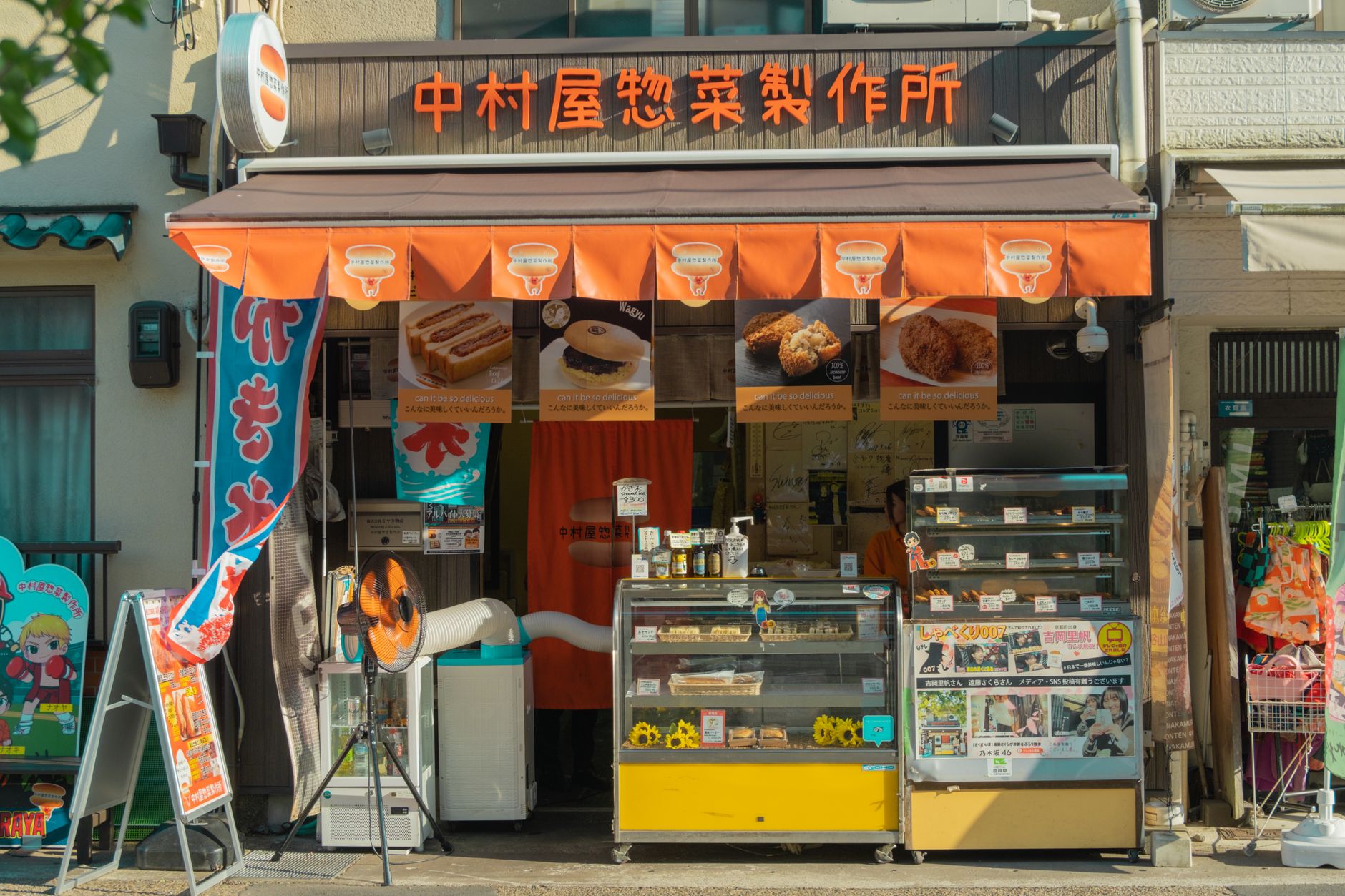
Kyoto Food Guide: Nishiki Market & Kaiseki Dining
Here’s a little-known fact about Kyoto: its food obsession traces back to one historical fluke. After Japan’s capital shifted from Kyoto to Tokyo in 1868, the city’s merchants and aristocrats didn’t fade away—they perfected their craft instead. They turned food preparation into something precise, almost scientific. Today, Kyoto stands alone as the place where culinary philosophy follows strict rules, like an art form with instruction manuals.
This meticulous approach defines everything you’ll eat here, from Nishiki Market stalls to hidden kaiseki spots. To get Kyoto’s food scene, you need to understand why locals obsess over where ingredients come from rather than how much they get. It’s why one perfect radish might cost more than an entire meal elsewhere.
Nishiki Market: Kyoto’s Ingredient Ground Zero
Nishiki Market isn’t some tourist trap dressed up as a marketplace—it’s where Kyoto’s chefs and home cooks actually shop. Started as a fish market in the 1300s, it’s morphed into something more niche: 100+ vendors competing on quality, not price.
You’ll understand why immediately. One stall sells 47 types of umeboshi (pickled plums), each from different regions and aged differently. Another offers tofu so fragile it practically dissolves if you look at it wrong. The pickle vendor displays vegetables pickled for three, five, even ten years—each batch tastes completely distinct.
Don’t rush through. Stop at individual stalls. Chat with vendors about what’s in season. Spring? Ask about bamboo shoots. Fall? Hunt for matsutake. This isn’t just for show—Kyoto’s entire food culture revolves around seasonal timing. The market stretches along Takakura Street, with the best spots clustered in the middle section.
Kaiseki: Kyoto’s Food Philosophy on a Plate
Kaiseki grew out of Zen temple meals and tea ceremonies, but today it’s Kyoto’s version of high-end dining. It’s not just fancy food—it’s a carefully constructed lesson in balance, served over 13 courses.
Every dish has purpose. Expect: a starter drink, sashimi, grilled items, steamed dishes, vinegared plates, fried components, simmered courses, rice with soup, pickles, and dessert. Each uses seasonal ingredients at their absolute peak. Come November, no ingredient repeats across those 13 courses.
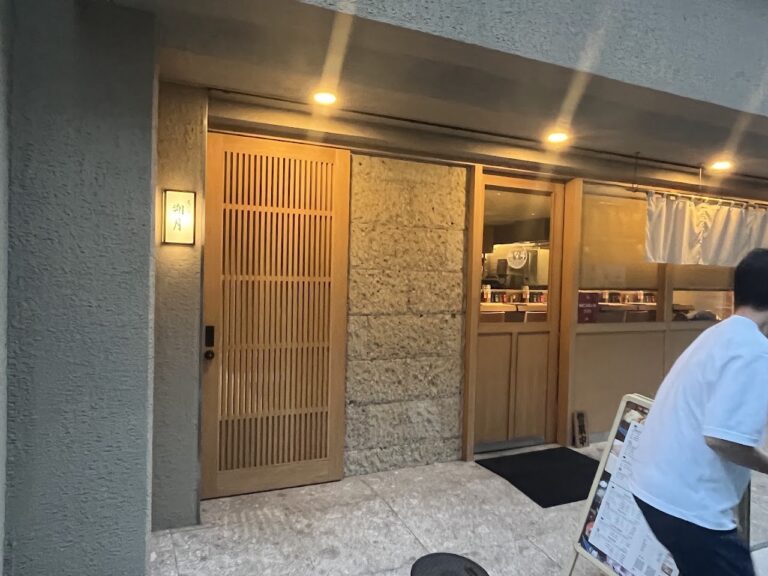
Places like Gion Tanto (in the geisha district) and Kikunoi (three Michelin stars) follow this rigid system. Prices run ¥8,000–¥20,000+ per person, but you’re paying for the chef’s seasonal expertise, not just cooking skills. Book weeks ahead. Many kaiseki spots need advance notice about dietary restrictions—some can’t accommodate them at all. It’s not stubbornness; the menu tells a complete story.
Kyoto’s Neighborhood Bites (Beyond Kaiseki)
Not every Kyoto meal needs reservations or deep pockets. Different neighborhoods have their own food personalities. In Arashiyama, yudofu (tofu hot pot) spots dot the riverbanks—simple, seasonal, ¥2,000–¥4,000 per person. The tofu comes from local producers using Kiyotake River water.
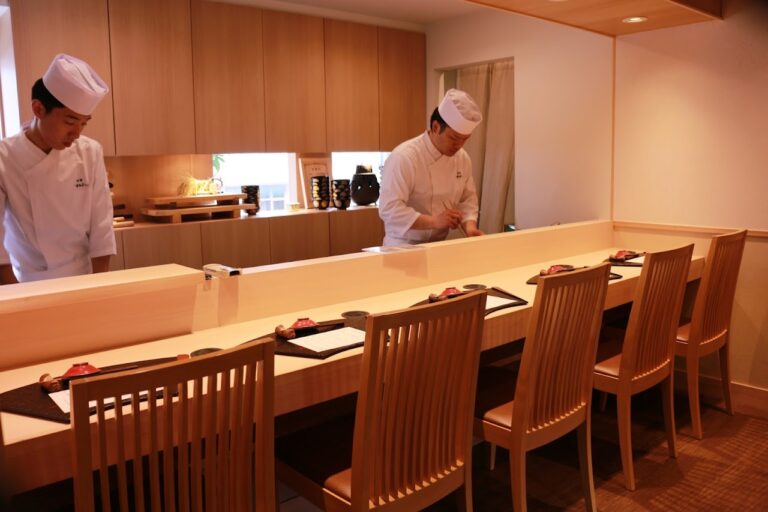
Along the Philosopher’s Path canal, tiny soba shops serve noodles made fresh daily. Pontocho alley does kaiseki but also casual kappo joints where you sit at the counter watching chefs prepare shorter, simpler menus.
Grab yatsuhashi (cinnamon sweets) anywhere, but the real move is finding a small soba shop and ordering kitsune udon—that tofu-topped noodle dish seems basic until you taste the broth that took all day to make.
Time your Kyoto food adventures by seasons, not sights. Spring means bamboo and fresh greens. Summer brings unagi (eel) and kakigori (shaved ice). Fall is mushroom season. Winter calls for hot pots and preserved foods. Book kaiseki early, but leave time for market wandering. Kyoto’s best meals happen when you follow what’s actually good that day.