Tokyo
Tokyo Bangkok
 Seoul
Seoul Singapore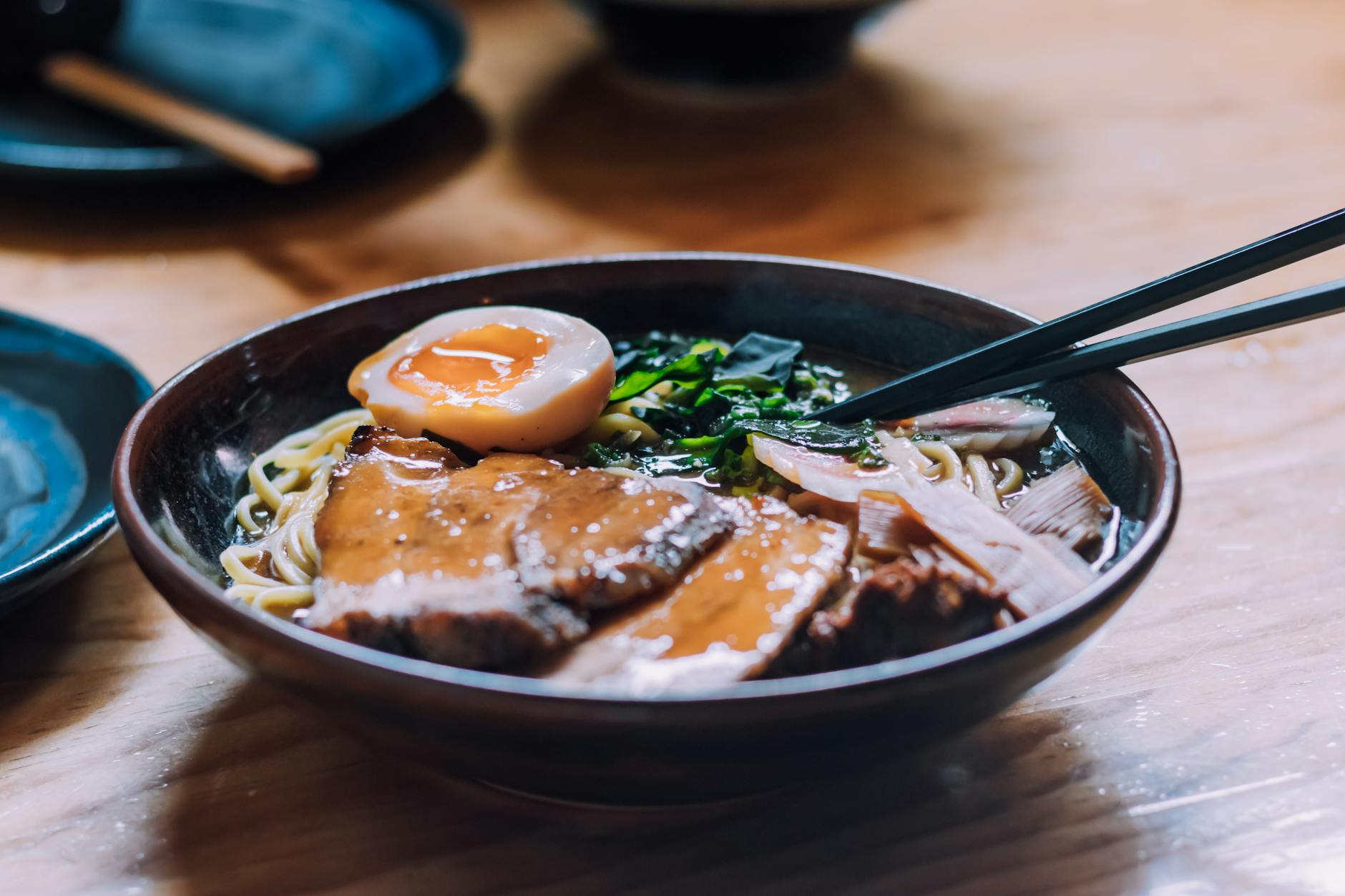
12 Best Ramen Shops in Tokyo: Ichiran, Fuunji, Nakamura
Every Tokyo food guide rattles off the same six ramen spots. You’ll queue for hours just to eat something decent—not great. Here’s the fix: 12 shops that actually matter, including the three that separate ramen nerds from tourists—Ichiran, Fuunji, and Nakamura.
How to Spot a Ramen Shop That Won’t Waste Your Time
Ramen isn’t rocket science. Four things matter: noodles, broth, toppings, and skill. Bad shops cut corners—broth simmered for six hours (needs 12+), cheap noodles, skipping the tare (that salty, savory punch that makes or breaks a bowl).
Tokyo has about 5,000 ramen joints. The best? Obsessive. One does only tonkotsu. Another just shoyu. A third sticks to tsukemen. It’s not about tradition—it’s focus. Master one thing, nail it every time.
Real-deal shops share clues: open by 7 AM, closed by 10 PM, lines forming by lunch. No queue? Keep walking.
The Three Spots Worth Braving the Crowds
Ichiran (Shinjuku, Shibuya, Harajuku) isn’t a secret. It’s a chain—which means no surprises. Get the tonkotsu. The broth cooks for 18 hours straight. Chashu so soft it falls apart if you stare too hard. ¥900–1,100. Beat the rush at 7 AM.
Fuunji (Shinjuku) does tsukemen—thick noodles dipped in concentrated broth. No sogginess, no diluted flavor. Their move: shrimp-and-fish broth. ¥1,100–1,300. Even at sunrise, expect a 45-minute wait.
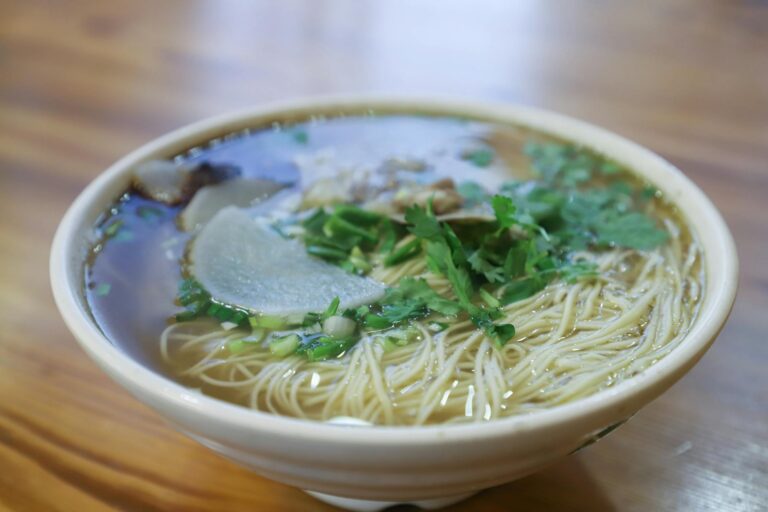
Nakamura (Shibuya) serves shoyu ramen that’ll ruin other soy broths for you. The owner uses soy sauce from one Chiba producer. Noodles cut by hand. ¥950. Closes at 8 PM—don’t dawdle.
Nine More Bowls That Earn Their Keep
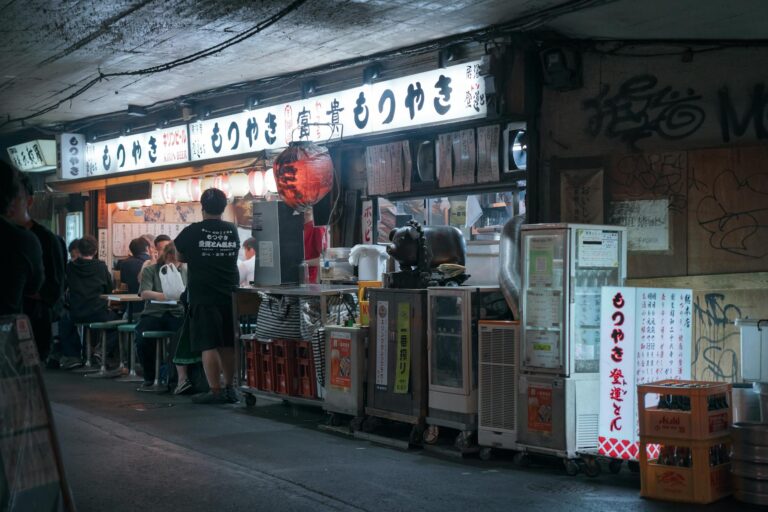
Ramen Alley (Yurakucho): Seven micro-shops in a tight alley. Follow the shortest line. ¥800–900. Stand, eat, leave—20 minutes tops.
Ippudo (Multiple locations): The ramen equivalent of Starbucks. Quick, consistent, ¥750–900. Not life-changing, but never a letdown.
Afuri (Harajuku, Roppongi): Broth spiked with yuzu. Lighter than the usual pork-heavy options. ¥900–1,100. A palate cleanser between heavier bowls.
Menya Musashi (Shinjuku): Thick broth, generous noodles. Same taste across all 20+ locations. ¥900–1,200.
Onomichi Ramen Yokocho (Yurakucho): Five shops doing Onomichi-style—thin noodles, light soy broth. Less gut-busting than tonkotsu. ¥750–850.
Tsujita (Shinjuku): Tsukemen specialists. Noodles thicker than Fuunji’s. ¥1,000–1,200.
Ramen Yokocho (Ikebukuro): Six closet-sized shops. Pick the shortest queue. ¥700–900. Get there by 11 AM.
Ichiran Hakata (Shinjuku): Not your usual Ichiran—this one’s Hakata-style, creamier and richer. ¥1,000.
Omotesando Ramen (Harajuku): Pricey (¥1,500), but the broth blends chicken and pork. One bowl per customer, strictly enforced. Try it once.
Tokyo Ramen Rules They Won’t Tell You
Zero English menus here. Point at plastic food models. Slurp like it’s your job—it helps cool the noodles. No tipping. Finish every drop, or risk side-eye from the chef.
Classic tourist mistake: cramming in three ramen stops in a day. Don’t. One bowl at lunch, another at dinner. Your gut will revolt otherwise.
Prices are 2024 numbers. Assume they’ll creep up 5–10% yearly.
The Only Strategy You Need
Skip the checklist. Hit three: Ichiran for no-fail basics, Fuunji for skill, one alley spot for speed. One bowl per day. Cash only. Arrive before the lunch rush. Done.