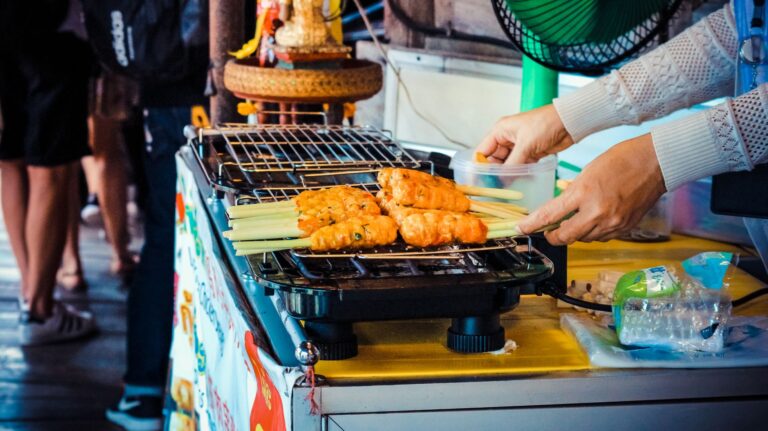
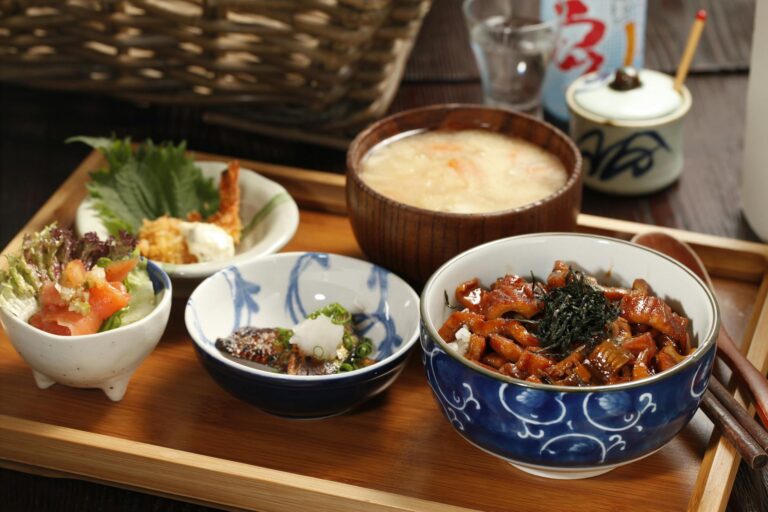
Tokyo
Tokyo Bangkok
 Seoul
Seoul Singapore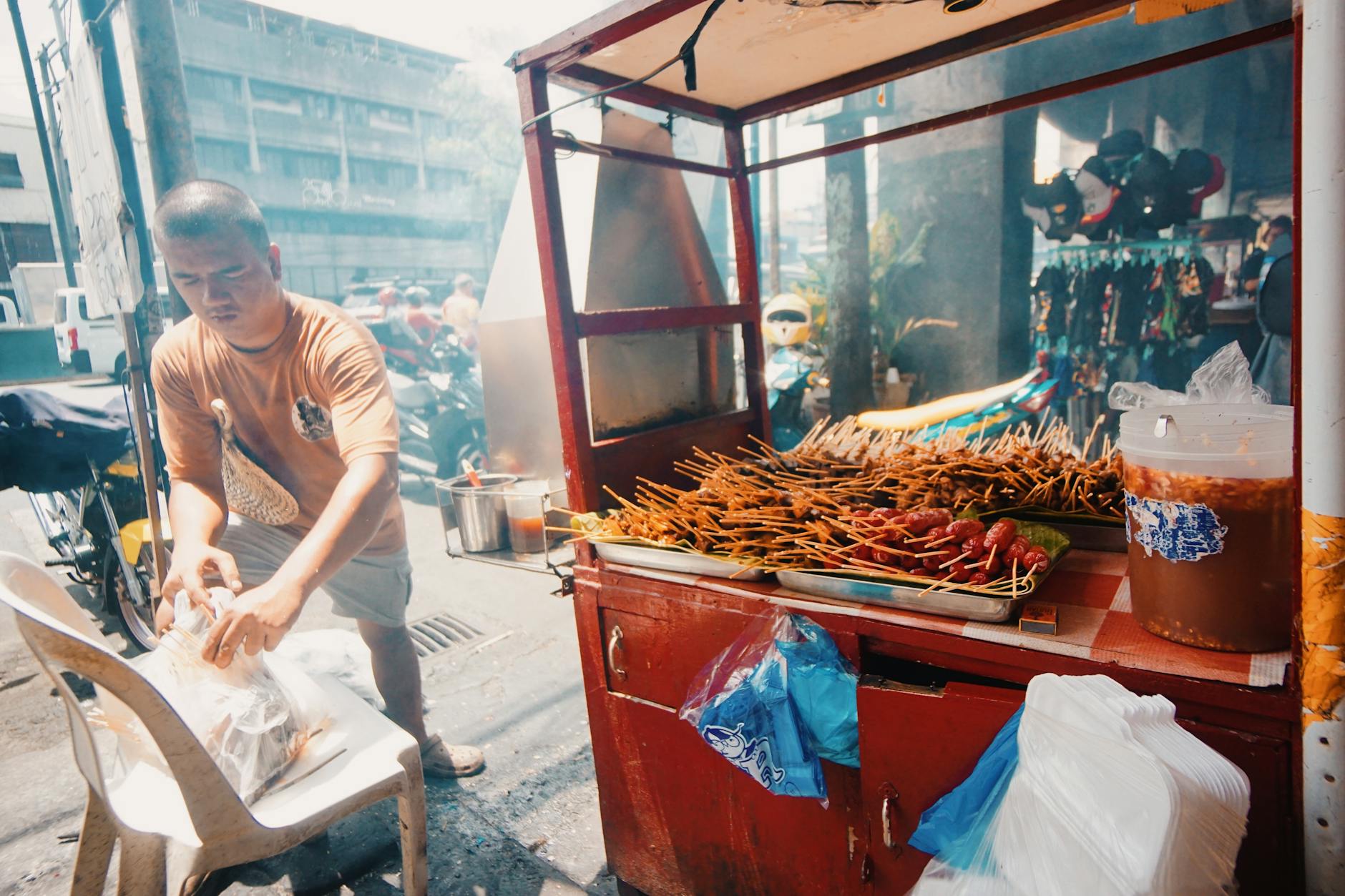
Plant-Based Asian Cooking: Why Tofu Isn’t the Sidekick
Western cooks have long treated tofu like a sad stand-in for meat. That’s missing the point entirely. Across Asia—from Sichuan’s fiery kitchens to Seoul’s street stalls to Singapore’s hawker centers—plant-based proteins aren’t afterthoughts. They’re the main event, and have been for hundreds of years. The issue isn’t that tofu tastes like nothing. It’s that most Western cooks don’t know how to make it sing.
Tofu’s So-Called Flavor Problem (Spoiler: It’s Not Real)
People call tofu bland because they treat it like a blank chicken breast—something that should taste good plain. Wrong. In Chengdu’s Sichuan restaurants, mapo tofu isn’t some vegetarian compromise. The dish works because silken tofu soaks up chili oil and fermented bean paste like a sponge, turning creamy against your tongue. Same with Tokyo’s izakayas: agedashi tofu fries up crisp outside, stays custardy inside, then gets drenched in dashi and mirin. Nobody’s pretending it’s meat. It’s just great tofu.
Tempeh and Seitan: Where Western Chefs Are Finally Catching Up
If tofu’s subtle, tempeh and seitan punch you in the face (in a good way). Tempeh—fermented soybeans pressed into cakes—has actual texture and a nutty kick. Fry it thin with sambal and palm sugar like they do in Jakarta, and it holds its own on any plate. Seitan? That’s the one that tricks meat lovers. Braised in soy sauce and star anise at Buddhist spots in Taipei, the chewy wheat gluten could pass for beef. Both have been Asian staples for ages, especially where monks turned plants into feasts.
Lotus Root: The Crunch You Didn’t Know You Needed
Lotus root doesn’t get enough love. Sliced, it looks like edible lace. But the real win is the bite—crisp when raw, snappy when stir-fried, tender-yet-firm in Japanese stews. Hong Kong dim sum joints fry it into shattering chips. Vietnamese cooks float it in clear broths where it soaks up flavor without stealing the show. This isn’t some token veggie. It’s a texture powerhouse that solves real kitchen problems.
Here’s the thing: Asian plant-based cooking isn’t impressive because it “manages without meat.” It’s brilliant because these ingredients make certain dishes better. Try real mapo tofu or tempeh goreng once, and you’ll get why the West took so long to figure this out. The ingredients were never lacking. We were.