Tokyo
Tokyo Bangkok
 Seoul
Seoul Singapore
Tom Kha Gai: The Thai Soup That Defines Home Cooking
In Bangkok, Chiang Mai, and Ubon Ratchathani, tom kha gai isn’t fancy—it’s the kind of thing you slurp from a plastic bag on your commute or scoop over rice at home. Street vendors sell it year-round, but it really hits the spot when the air gets crisp between November and February. This soup isn’t about impressing anyone. It’s about how Thais actually eat.
Why This Soup Represents Thai Home Cooking
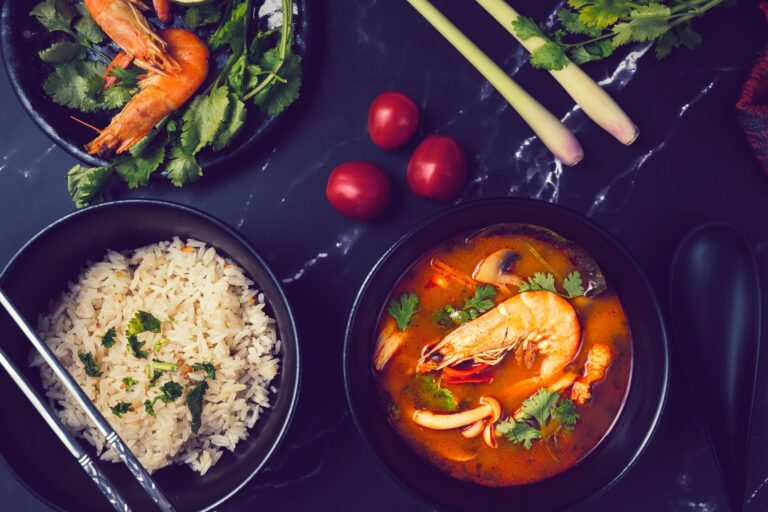
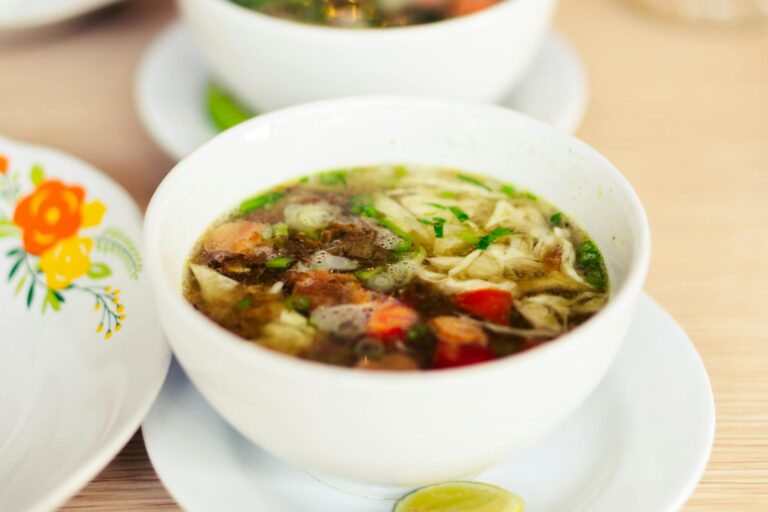
Tom kha gai sits squarely in the “tom” family—those brothy, boiled soups that show up at nearly every Thai meal. While tom yum shouts with chili and lime, tom kha whispers with coconut and galangal. That’s the lesson here: Thai food doesn’t always need to punch you in the face. Upcountry, you’ll find it served plain in scratched metal bowls at roadside stalls. No fancy garnishes. Just steam rising from the broth, maybe a spoon resting on the rim.
Regional tweaks exist, but they’re subtle. Isaan versions go lighter on coconut, letting the galangal shine. Down south near the beaches, they double down on rich coconut milk. These differences won’t land you on any “top 10 must-try” lists. They’re just how grandma makes it in each province.
The Ingredients That Do the Real Work
Galangal isn’t optional—it’s the soul of the dish. More peppery than ginger, with a piney kick that clears your sinuses. Morning market vendors sell knobby chunks still caked in soil, knowing regulars will toss them straight into the pot. Skip the watery canned coconut milk. Thais either press their own or buy it fresh by the bag from specialists who crank out batches daily.
Lemongrass stalks get whacked with a knife to release their citrusy oils, then float in the broth like flavor bombs. Fish sauce goes in early and generous—don’t be shy. Chilies? Toss them in whole if you want controlled heat, sliced if you like it fiery. Chicken thighs work best, staying juicy even when simmered. The magic happens when all these elements find equilibrium: creamy, herbal, salty, bright.
What This Soup Reveals About Thai Cooking Philosophy
Tom kha gai proves Thai cooking isn’t about throwing everything in the pan. Five or six good ingredients, each pulling their weight, create something complete. No fuss. No fancy skills required.
Notice how the heat adjusts to taste? That’s intentional. In Thai households, the same pot might feed spice lovers and those who can’t handle the burn. The soup’s backbone—galangal, coconut, fish sauce—holds up whether you add one chili or ten.
Want to try making it? Hunt down fresh galangal and decent coconut milk. Keep it quick. Keep it balanced. That’s how you’ll taste the real thing—not some polished restaurant version, but the weekday dinner Thais actually eat.