Tokyo
Tokyo Bangkok
 Seoul
Seoul Singapore
Kuala Lumpur Street Food by Neighborhood: Where to Really Eat
Kuala Lumpur street food isn’t just cheap eats for budget travelers. The best dishes cost three to five dollars and take decades to perfect. Watch a vendor at Jalan Alor flash-fry satay at the exact temperature that chars the outside while keeping the meat tender. That’s not tradition—that’s mastery.
Most KL food guides treat the city like a theme park with interchangeable stalls. Wrong. Location matters. Technique matters. Who’s behind the wok matters. Here’s where to eat well, neighborhood by neighborhood.
Chow Kit: Where Wonton Noodles Still Matter
Head to Restoran Noodle King on Jalan Raja Muda Abdul Aziz first. Their wonton noodles—thin egg noodles in pork and prawn broth—show what happens when someone refuses to cut corners for fifty years. The wontons get folded by hand daily, with the pork-to-prawn ratio changing based on what’s fresh at the morning market. This isn’t nostalgia. It’s precision.
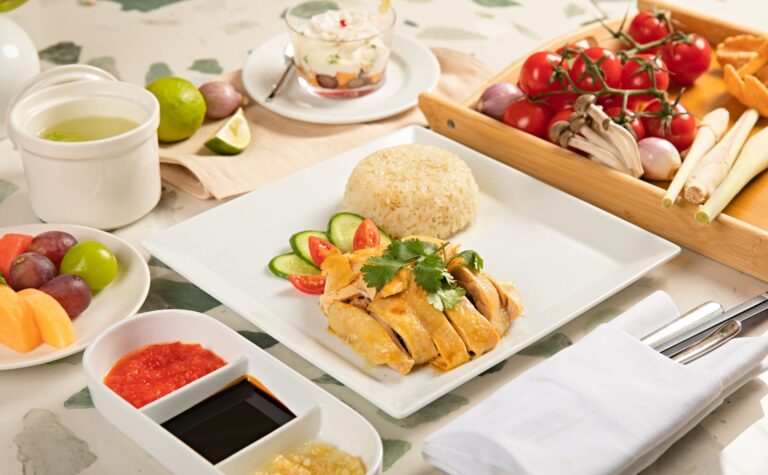
Two blocks away, Kedai Kopi Chow Kit makes possibly the city’s best chicken rice. They poach the birds in ginger-garlic broth, then use that liquid to cook the rice. Simple. Perfect. Come before 11 AM or fight the lunch crowd. They usually sell out by 2 PM.
Petaling Jaya: Char Kway Teow Worth the Drive
Most char kway teow tastes forgettable. Not at Restoran Ah Wee on Jalan 51A/223. Their wok burns so hot the flat rice noodles caramelize properly—charred but not burnt. They use lap cheong (Chinese sausage) from a specific Klang supplier and keep the noodles moving constantly.
Nearby Yong Tau Foo stalls make their tofu fresh daily. Sounds basic until you taste the difference. Their broth simmers for hours with dried chilies, preserved vegetables, and anchovies. You’re paying for consistency, not gimmicks.
Bukit Bintang: Satay and Laksa That Justify the Crowds
Satay Celup near Pavilion KL works like this: pick your ingredients, they get skewered and grilled, then dunked in peanut sauce. The magic’s in the sauce—ground peanuts, coconut milk, shallots, garlic, and chilies cooked until balanced. Their chicken satay marinates six hours in turmeric and galangal paste before hitting the grill.
For laksa, try Laksa Lemak near Jalan Bukit Bintang. Their version mixes coconut milk and seafood stock for a richer broth than most. The noodles are slightly thicker, holding the sauce better. Don’t skip the sambal belacan—made fresh daily with bird’s eye chilies and fermented shrimp paste.
Here’s the thing about eating in Kuala Lumpur: forget the hype and taste the food. These vendors aren’t here for Instagram. They’re here because they’re damn good at what they do. Show up early, bring cash, and order what the regulars get. That’s all the guidance you need.