Tokyo
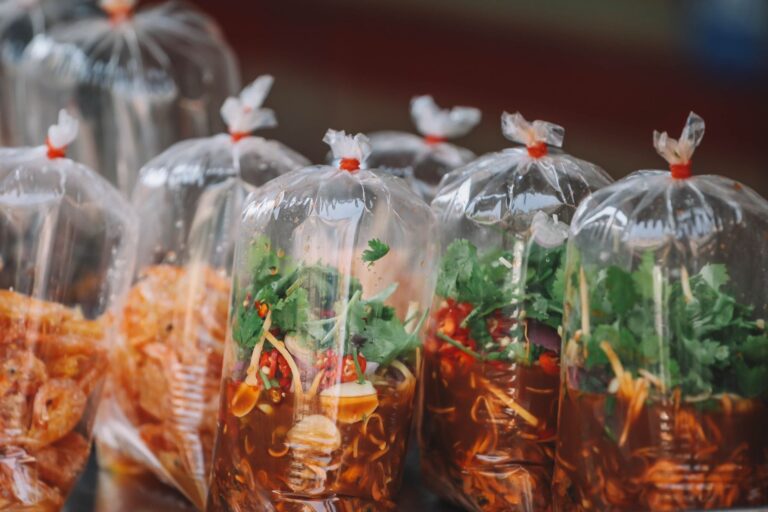
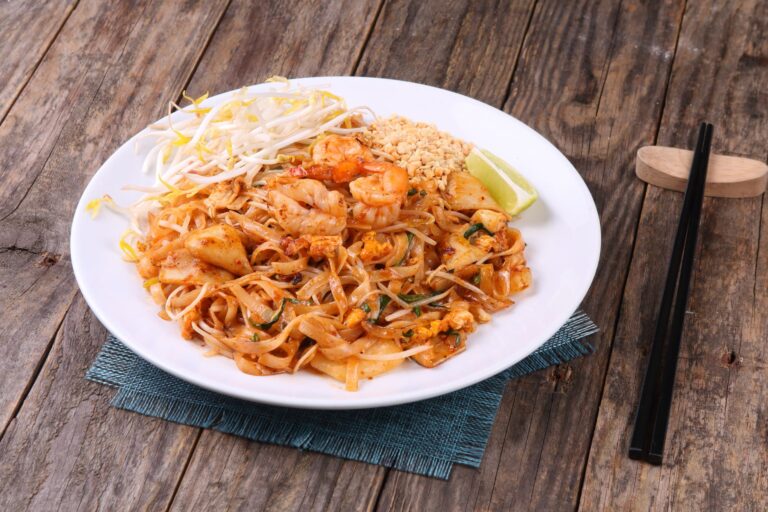
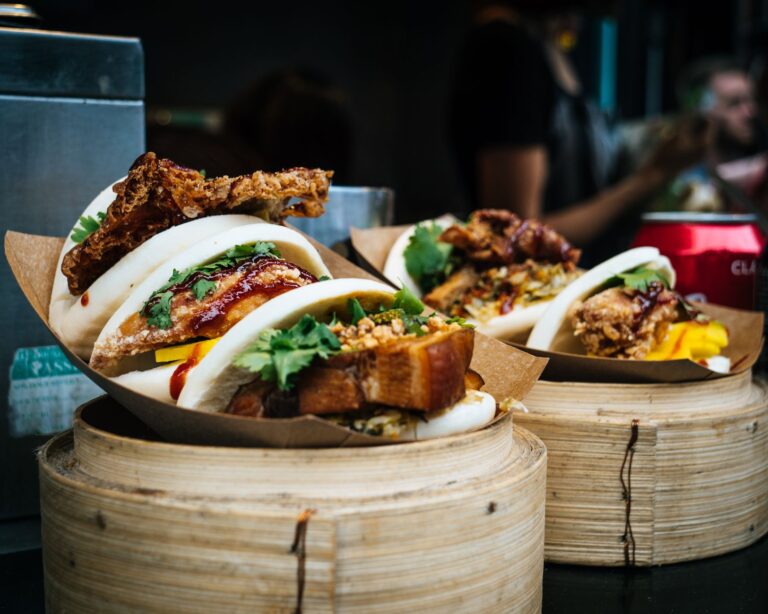
Tokyo Bangkok
 Seoul
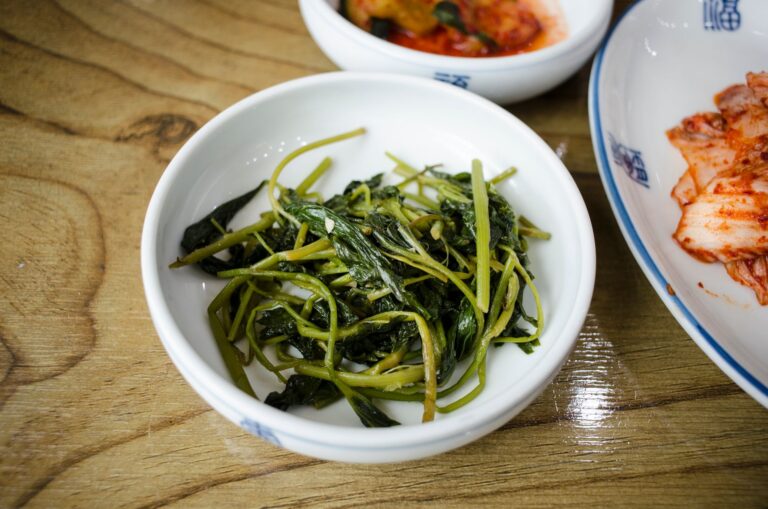
Seoul Singapore
How to Make Authentic Sikhye at Home: Korean Recipe
In Korea, sikhye isn’t some fancy drink you hunt down at specialty shops. It’s the stuff your grandma brings over in a thermos, or what you grab from the corner store when you’re thirsty. The drink that shows up after meals—sometimes homemade, sometimes store-bought—cutting through spicy flavors and settling your stomach. For Koreans, it’s as ordinary as water. But when you’re away from home, that’s when you notice its absence.
Why Sikhye Matters Beyond the Sweet Taste
Sikhye is practical food science. It transforms leftover rice and malt powder (yeotkireum or jocheong) into something useful. Born from necessity, it’s the original zero-waste Korean drink. You’ll find it at casual restaurants after meals because it actually helps digestion. In Seoul or Busan, office workers grab single-serve bottles from convenience stores for about 2,000 won. This isn’t some artisanal trend—it’s everyday nourishment.
The magic’s in the malt. Korean malt (보리 malt or 엿기름) gives sikhye its natural sweetness without that fake sugar taste. Available at any Korean market in vacuum-sealed bags, this traditional ingredient breaks down rice starches through fermentation. The result? A subtle sweetness that doesn’t overwhelm.
Making Sikhye: The Actual Process
Grab 2 cups of cooked rice—slightly dry works best. Heat 6 cups water to about 65-70°C (150-160°F). Stir in 3 tablespoons malt powder and let it sit for 30 minutes. The water will turn cloudy yellow. Strain it through cheesecloth, keeping the liquid.
Pour this over your rice in a bowl or thermos. Cover and leave it for 2-4 hours—no cooking needed, just let the enzymes work. The rice softens while the liquid sweetens naturally. Strain again, add a pinch of salt (this balances flavors), and chill. Some toss in a few rice grains or pine nuts per serving, but plain works fine too. Total active time: maybe 3 hours spread throughout the day.
Getting the Details Right
Temperature makes or breaks it. Too hot kills the enzymes; too cold slows them down. Korean grandmas swear by thermoses for consistent heat. If your kitchen’s chilly, wrap the bowl in a towel.
The rice should stay intact but tender. Mushy grains mean over-fermentation. The drink itself should taste lightly sweet—not dessert-level. Too sugary? You probably used excess malt or left it too long.
Keeps for 5 days refrigerated. Best served cold in small portions. Koreans drink it post-meal, but it’s equally refreshing on a hot afternoon.
Homemade sikhye teaches you something: the best Korean foods aren’t complicated. They’re just particular. This drink endures because it respects simple ingredients without pretending to be anything else. Make it once, and you’ll get why it’s stuck around for generations.